
Last updated November 20, 2026
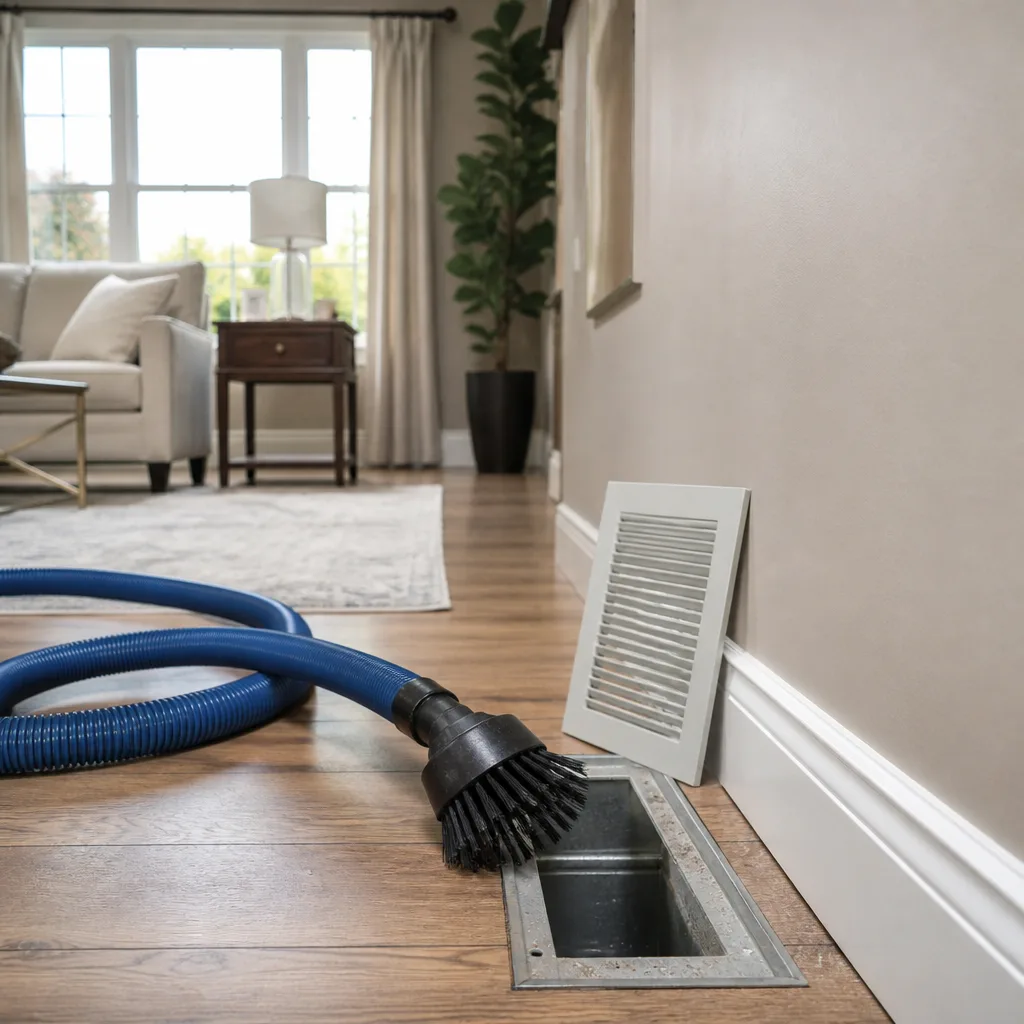 Whole-home duct cleaning
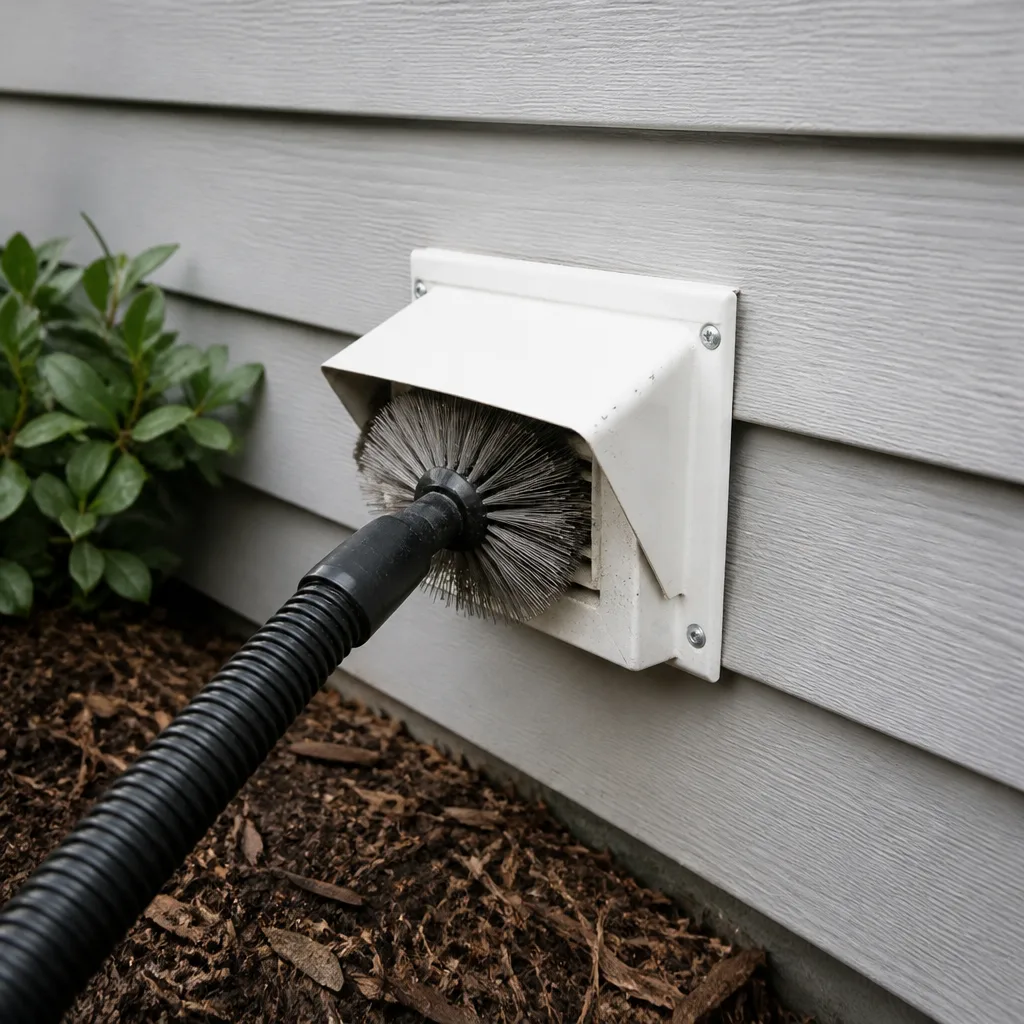 Dryer vent cleaning
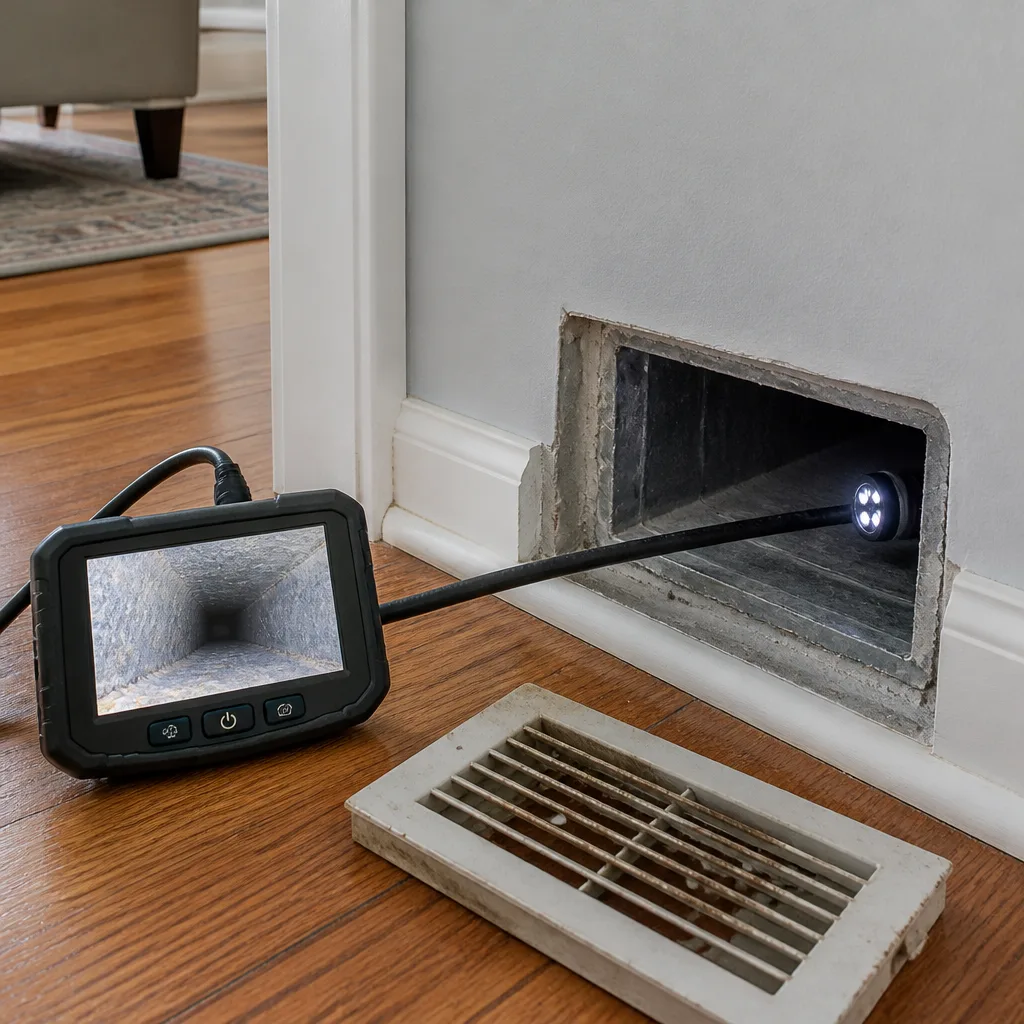 Camera inspection
 Sanitizing & deodorizing
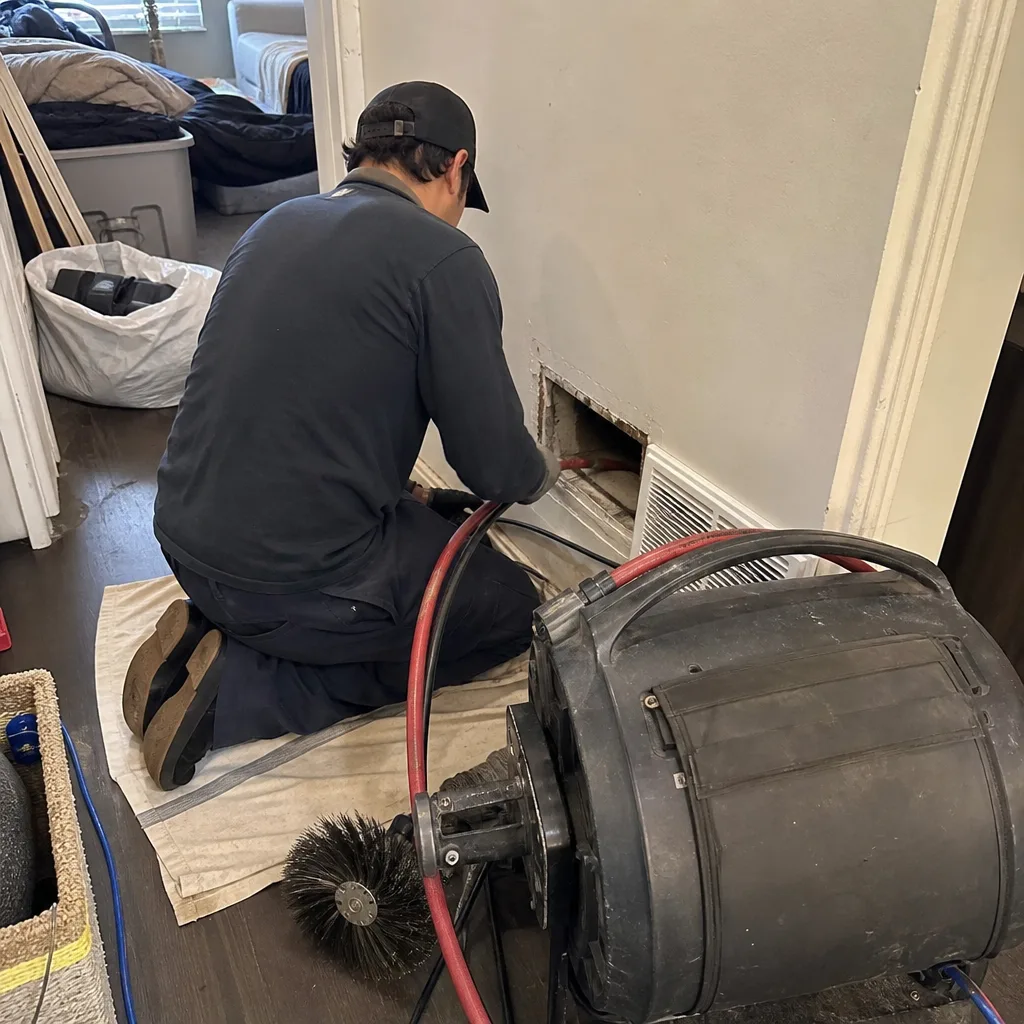
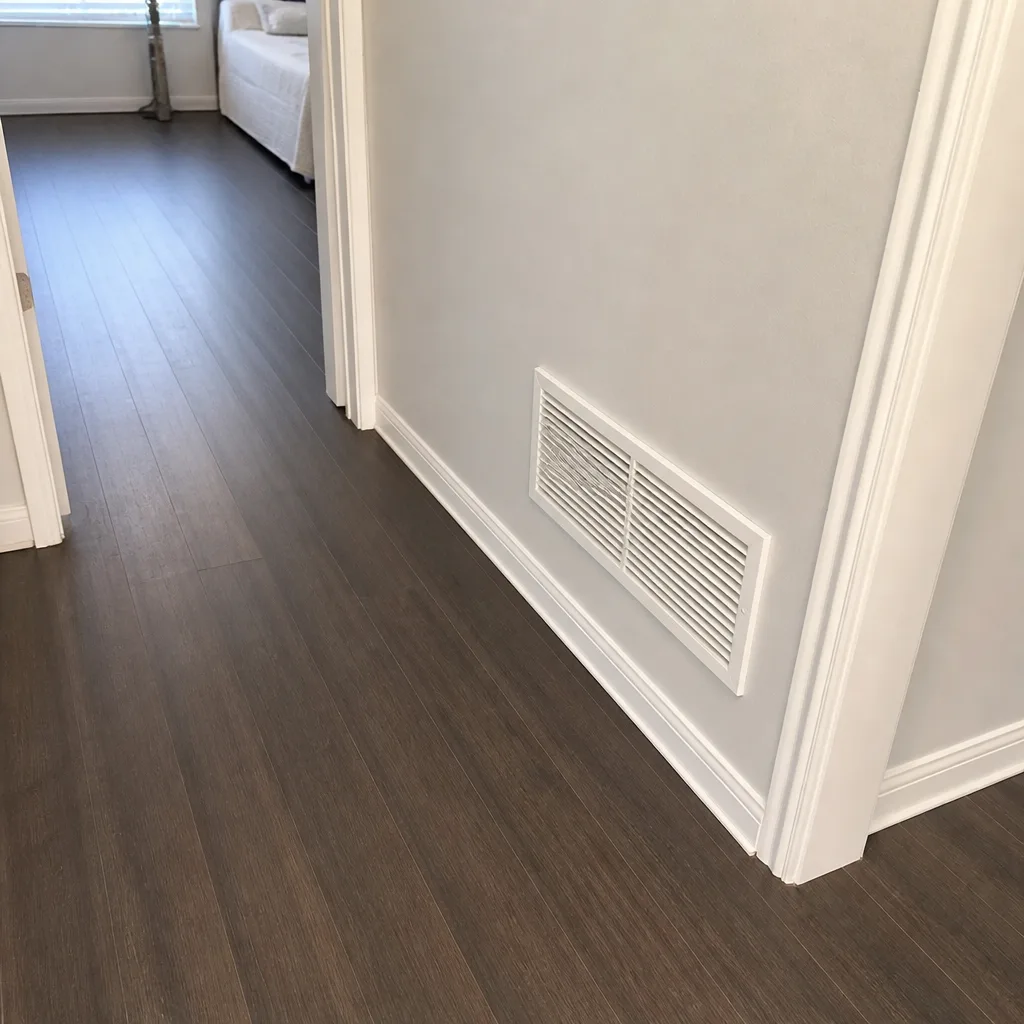
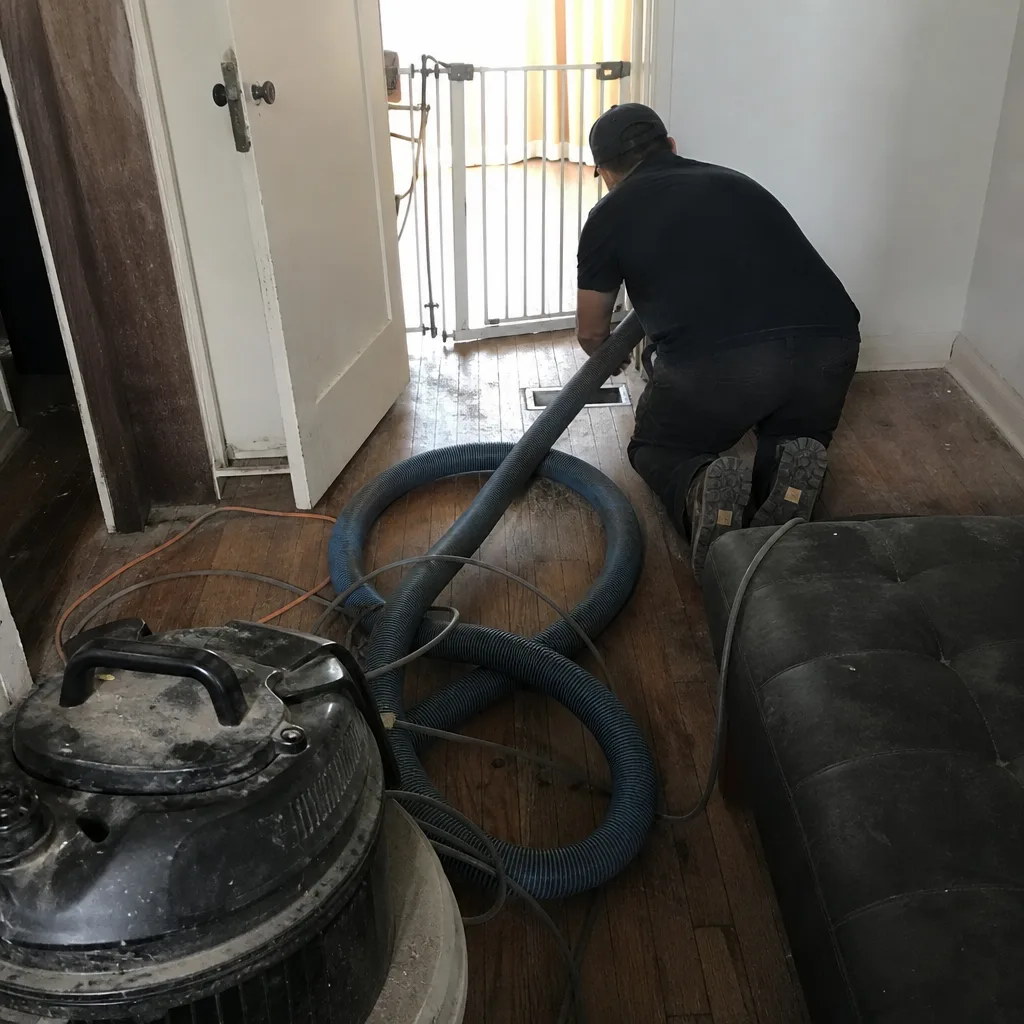
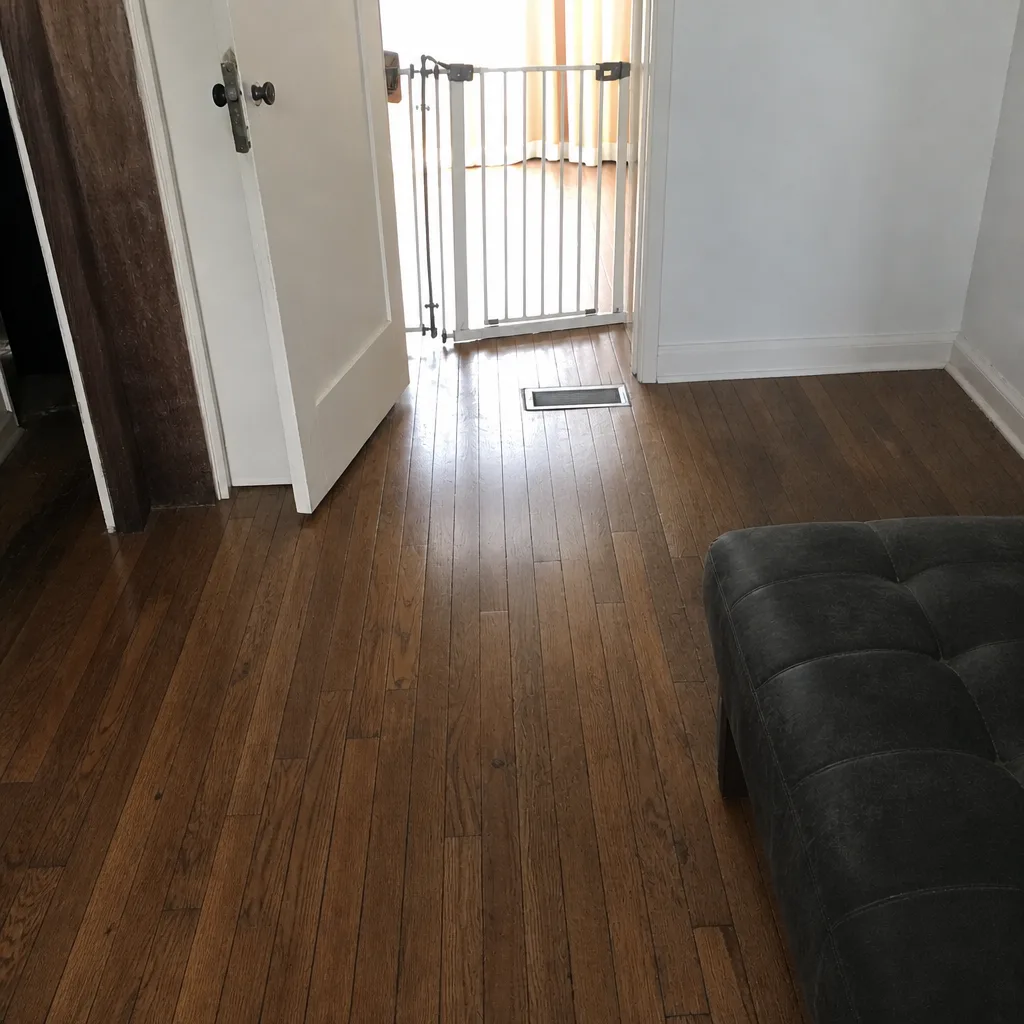
Whole-system duct and dryer vent check with before-and-after photos - you see exactly what came out of your vents
That "$99 whole-house special" is a bait ad - the real number appears once they are in your hallway, or the "clean" is a shop-vac at the register. We photograph the inside of your ducts before and after instead.
Seasonal Air Duct Cleaning Care for Bushwick: Year-Round Homeowner’s Guide
Most homeowners in Bushwick schedule a duct cleaning when the calendar says it’s been about a year, usually in the middle of summer when the AC has been running hard and something starts to smell. That timing misses the point. The heaviest contamination event in a typical Bushwick home happens long before July, when spring pollen and mold spores get pulled through a running cooling system in April and May. By the time the calendar reminds you, the load is already sitting in the ducts. This guide explains what each seasonal transition actually does inside a duct system, why a pre-heating-season clean in September is often the highest-value window, and how to decide when an off-cycle cleaning is worth it.
Quick Answer
The best time to clean air ducts in Bushwick is late September, just before heating season starts, because it removes the pollen, mold spores, and summer dust that built up through spring and summer and clears the line before the furnace pushes warm air through it for months. A second, lighter cleaning in early spring helps if you have allergies or the system ran through a dusty renovation. Dryer vent cleaning is a separate job and should be timed to your dryer’s lint load, not the duct schedule.
Styles & brands we work with
- Whole-home duct cleaning
- Dryer vent cleaning
- Camera inspection
- Sanitizing & deodorizing
Table of Contents
- Why Seasonal Transitions Matter More Than an Annual Date
- Spring: Pollen Loading and the Cooling Season
- Summer: Humidity and Condensation Inside the System
- Fall: Furnace Startup and Combustion Debris
- Winter: Closed-Building Particulate Concentration
- The September Window: Why It’s the Highest-ROI Clean
- Off-Cycle Cleaning After a Specific Event
- Timing Dryer Vent Cleaning Against Duct Cleaning
- What to Do Between Professional Visits
Why Seasonal Transitions Matter More Than an Annual Date
An air duct system doesn’t accumulate contamination at a steady rate. It loads up in bursts, tied to what the outdoor air is carrying and what the building is doing at that moment. In Bushwick, those bursts line up with the four seasons pretty cleanly, and each one deposits a different kind of material.
Spring brings pollen and mold spores pulled in through the return side of a cooling system. Summer brings humidity and condensation, which is the condition mold needs. Fall brings furnace startup, when a heating system that sat idle for months pushes warm air through dust that settled over the summer. Winter brings a closed building, where windows stay shut and particulate concentration indoors rises because there’s nowhere for it to escape.
If you clean once a year on a fixed date, you’re only ever removing one of these loads fully and pushing the rest around. Understanding the seasonal sequence lets you time the one professional cleaning you do schedule to the moment it actually removes the most material.
What a Full Cleaning Actually Does
When we clean a duct system in Bushwick, the process is mechanical and two-step. We dislodge material with rotary-brush equipment, typically a Rotobrush system, which agitates the inside surface of the duct rather than just pulling air through it. Then we extract, using dedicated HVAC vacuum equipment from Nikro, and hold the air under negative pressure with Abatement Technologies filtration units so the dislodged material is captured instead of being recirculated into the rooms. That two-step reality, dislodge then remove, is what separates professional duct cleaning from a consumer vacuum running at a supply register.
Timing that process correctly is what this guide is about. For a full walk-through of the service itself, our air duct cleaning page covers the equipment and the steps in detail.
Spring: Pollen Loading and the Cooling Season
Spring is the heaviest intake season for a duct system in Bushwick, and it’s almost always underestimated. As trees and plants release pollen and the outdoor air fills with it, and as the first warm days turn the air conditioning on, that pollen comes in through the return ducts, sticks to the inside surfaces, and gets pulled toward the blower and the coil. A running cooling system basically becomes a pollen collector.
Mold spores ride in alongside the pollen. They don’t necessarily grow in the duct itself, but they accumulate on damp surfaces and on the cooling coil if condensation is present, which is why spring and early summer loading matters even for people who don’t visibly see mold.
What You Might Notice in Spring
- Allergy symptoms that start right when you first turn on the AC, not from the outdoor air alone
- A musty smell from supply registers in the first weeks of cooling season
- Visible dust settling faster on shelves and furniture than in winter
- A slight drop in airflow from registers that were fine the previous fall
If you’re allergy-prone or you have a system that hasn’t been cleaned in a long stretch, a spring cleaning right after the first few weeks of AC use catches that pollen load before it gets pushed through the house all summer. For most Bushwick households, though, the smarter move is to let spring loading happen and clean in September, when you’re removing the combined pollen, mold spore, and summer dust in one pass instead of paying for two.
Spring Is Also Renovation Season
A lot of Bushwick homes get work done in spring: new floors, bathroom updates, kitchen changes, and the drywall dust and construction particulate from any of that sits on surfaces and gets pulled into the return side when the system runs. If a renovation happens in your home, that’s an off-cycle cleaning trigger, covered further down.
Summer: Humidity and Condensation Inside the System
Summer is the season when what’s already in the duct system has the best chance to become a problem, because humidity is the enabling condition for mold and for that musty smell people associate with dirty ducts. When the AC runs, the cooling coil removes moisture from the air, and that moisture collects in the drain pan and on the coil. If the system has accumulated dust and organic material through spring, that damp surface becomes a place where mold can establish itself.
The other summer factor in Bushwick is that a lot of the housing stock includes older multi-family and converted buildings, and duct systems in those buildings often run through spaces that stay humid, like basements and mechanical closets. A duct surface that stays damp through a humid July and August is a different environment from the same surface in a dry winter.
What to Check in Summer
- Whether the condensate drain line is clear and draining, so water isn’t pooling near the coil
- Whether the coil fins look coated with dust rather than clean metal
- Whether there’s a persistent musty odor near the air handler, not just at one register
- Whether the humidity in the house stays reasonable when the AC is running, which tells you the system is actually dehumidifying and not just moving air
If you’re noticing a musty smell that comes back every summer, that’s your signal that the contamination load has gotten to the point where a professional cleaning is overdue, and the timing question becomes secondary. A HVAC cleaning that addresses the coil and air handler alongside the ducts is often the right scope in that situation.
Fall: Furnace Startup and Combustion Debris
Fall is when the system switches from cooling to heating, and the first week of furnace operation in a Bushwick home is a distinct event: warm air gets pushed through duct surfaces that have been carrying cool, damp air all summer, and anything that settled in the duct over the summer gets lifted and distributed through the house. That’s the “first heat smell” a lot of people notice, and it’s a real, physical event, not an imagination.
The dust and debris that sits in the duct system through the summer is a mix of settled particulate, skin cells, textile fibers, and whatever came in with the spring pollen. When the furnace runs, the warm air moves it. On the return side, the furnace blower pulls it toward the filter, and a filter that’s been sitting unseasonably long can be past its useful life by the time heating season starts.
What Fall Startup Involves
- Replace the filter before the first heating cycle, not after you notice a smell.
- Check the return grilles and supply registers for visible dust before turning the heat on.
- Have the duct system cleaned before the furnace runs, so the warm air isn’t pushing a full season of accumulated material through the house.
- Confirm the furnace and any combustion appliances are operating correctly, which is a separate job from duct cleaning.
Fall is also the season when, in our experience, homeowners in Bushwick actually think about their ducts, because that first heat smell gets their attention. That attention is well-timed, which is the point of the next section.
Winter: Closed-Building Particulate Concentration
Winter is the season when the building is more closed than at any other time of year, and that changes the math. In an open-window season, a lot of indoor particulate drifts out or gets diluted by outdoor air coming in. In winter, windows stay shut, doors stay closed, and the same particulate load circulates through the system repeatedly. A duct system that was cleaned in September carries a smaller winter load than one that wasn’t, because the source material is gone.
Winter also means the heating system is running more hours, which means more air is moving through the ducts per day, which means the filter loads faster. If you’re noticing that filters are loading up noticeably faster in January and February than in October, that’s a sign the system is moving a higher particulate load and the filter is doing its job. It’s not a reason to skip the filter change; it’s a reason to keep it current.
What to Do in Winter
- Change or clean the filter on a schedule tied to the heating season, not just an annual date.
- Keep supply and return grilles clear so air can move freely.
- Watch for a stale smell that doesn’t clear after a filter change, which suggests the ducts themselves are loaded.
- Leave off the urge to run a consumer-grade vacuum at a register; it agitates material without capturing it the way a professional extraction unit does.
The September Window: Why It’s the Highest-ROI Clean
If you clean your ducts once in a Bushwick year, late September is when it should happen. Here’s the reasoning, and it’s not arbitrary.
By late September, the system has just finished running through spring pollen loading and summer humidity, so the contamination load is at its annual peak. The heating season hasn’t started yet, so the heat isn’t about to distribute that load through the house. A September clean removes the combined spring and summer accumulation in one pass, right before the months when the building is closed and the heat is running. The clean air that results gets used through the entire heating season instead of sitting behind a July cleaning and getting recontaminated by fall.
Contrast that with a July clean. July is mid-cooling season, so the system immediately re-loads with the rest of the summer’s pollen and humidity, then goes into the fall with a partially dirty system. You paid for the clean at the worst possible moment in the annual cycle.
Why September Also Works for Older Buildings
Much of the housing stock in Bushwick is older and includes converted multi-family buildings, and duct systems in those buildings are often longer or more complex than a newer single-family system, with more surface area to load up. The longer the duct run, the more the timing of the clean matters, because there’s more surface to recontaminate if you clean at the wrong point in the year. A September clean on a big, old system is the single most efficient use of a professional cleaning you can make.
Off-Cycle Cleaning After a Specific Event
Calendar timing works for a system with no unusual events. It stops working the moment something enters the system that wasn’t there on the calendar. A renovation, a pest intrusion, or water damage all deposit material that a September schedule doesn’t account for, and waiting until September to deal with it can be months too late. Here’s how to decide whether an event warrants an off-cycle clean.
Renovation
Drywall dust, sawdust, and fine particulate from demolition or installation get pulled into the return side of any system that runs during the work. If a return register is anywhere near the work area, or if the system ran during the work, an off-cycle clean after the dust settles is worth it. In practice this means after the work is done and the airborne dust has cleared, not mid-renovation when the system is still being used throughout.
Pest Intrusion
Rodents, insects, and birds that get into a duct system leave material behind that accumulates even when the animal is gone. If you’ve had an intrusion in the ducts, an off-cycle clean is warranted regardless of when the last one was. That’s not a question of dust; it’s a question of what’s physically in the system.
Water Damage
Water damage inside a duct system is a different order of problem, because water plus dust plus warm air is the condition for mold growth. If water gets into the ducts, don’t wait for a schedule; get the system evaluated and cleaned. Our Air Duct Cleaning Bushwick team will assess the system and clean what’s in scope.
What These Events Have in Common
None of these are dust issues in the ordinary sense. Each one introduces material that a routine schedule doesn’t address, and the correct response is to clean on the event, not on the calendar. If in doubt, an estimate is free and it costs nothing to have someone look.
Timing Dryer Vent Cleaning Against Duct Cleaning
Dryer vent cleaning and air duct cleaning are two different jobs with two different risk profiles, and they should be timed separately even though they’re often scheduled close together. The dryer vent is a lint problem, and lint loading is tied to how often the dryer runs and how much lint the load produces, not to season. The ducts are a seasonal contamination load. Coordinating them is fine; assuming they’re the same schedule is a mistake.
How to Think About the Two
- Air duct cleaning: season-timed, best in late September for a Bushwick home, or off-cycle after an event.
- Dryer vent cleaning: activity-timed, based on how much your household runs the dryer and whether you’re seeing lint buildup or long dry times.
Coordinating them on one visit makes sense when both are due at roughly the same time, because getting two professional jobs handled in one appointment is convenient and the equipment is already on site. But don’t push a dryer vent clean earlier or later than it needs just because it’s convenient to combine. Our dryer vent cleaning page explains the risk signs to watch for, which is the right trigger for that service.
Why Dryer Vent Timing Is Not Optional
A clogged dryer vent is a fire risk, full stop, and it’s a risk that builds continuously with dryer use. It doesn’t wait for a season. If you notice clothes taking longer to dry, or the outside vent flap barely opening, or heat building up around the dryer, that’s the signal, and it’s independent of when you last had the ducts cleaned.
What to Do Between Professional Visits
Between professional cleanings, the homeowner’s job is to slow recontamination, not eliminate it, because the system pulls outdoor air in every time it runs and some loading is unavoidable. What you can do is reduce the source material and keep the system from working harder than it needs to. Here’s how, season by season.
Year-Round Basics
- Replace or clean the furnace filter on a schedule that reflects how much the system runs, which means more frequent changes through heating season than in spring or fall.
- Keep supply and return registers clear of furniture, rugs, and storage so air can move without restriction.
- Use a HEPA vacuum for regular household cleaning rather than a non-HEPA vacuum, which can spread fine particulate into the air the system then pulls in.
- Cap or seal any return or supply register in a space under active renovation, or at least close the register while work is going on.
- Watch for a persistent smell or a drop in airflow and treat it as a signal, not an annoyance to live with.
Spring and Summer
In pollen season, keeping windows closed during the highest-pollen days and running the AC with a clean filter does more than any consumer product. In humid months, make sure the condensate drain is clear and the coil isn’t coated with dust, both of which affect dehumidification. If your house feels humid even with the AC on, that’s a system issue worth looking at, not just a comfort complaint.
Fall and Winter
Replace the filter before the first heat cycle, and again mid-winter. Keep the building as ventilated as practical even in cold months, because closed-building operation is what raises indoor particulate concentration. If you have a Honeywell or Aprilaire filter or air-quality system in the house, follow the manufacturer’s replacement guidance rather than a generic schedule, since those systems are built for specific filter types and specifications. We’re familiar with both brands and often find them installed in Bushwick homes.
Common Mistakes to Avoid
- Cleaning once a year on a fixed date. A July cleaning sits mid-cooling-season and re-loads immediately. Time it to the seasonal transition, not to the calendar anniversary.
- Skipping the pre-heating-season clean. In Bushwick, the September clean is the one that does the most work, because it removes spring and summer accumulation right before the heating season moves air through the system.
- Treating dryer vent cleaning as a fall chore. Dryer vents load with use, not with seasons, and a clogged vent is a fire risk that doesn’t wait for autumn.
- Running the system through an active renovation without a plan. Drywall dust and sawdust get pulled into the return side; a post-renovation clean is warranted if the system ran during work.
- Assuming a consumer vacuum at a register counts as duct cleaning. It agitates material without the extraction equipment that captures it, which can make indoor air worse in the short term, not better.
- Waiting for a visible problem before scheduling. By the time you can see dust or smell something, the system has been loaded for a while. The point of seasonal timing is to get ahead of what you can see.
- Combining dryer vent and duct cleaning on a fixed schedule without checking either independently. They’re different jobs, and one feeling due doesn’t make the other due.
See the difference
 Before
 After
 Before
 After
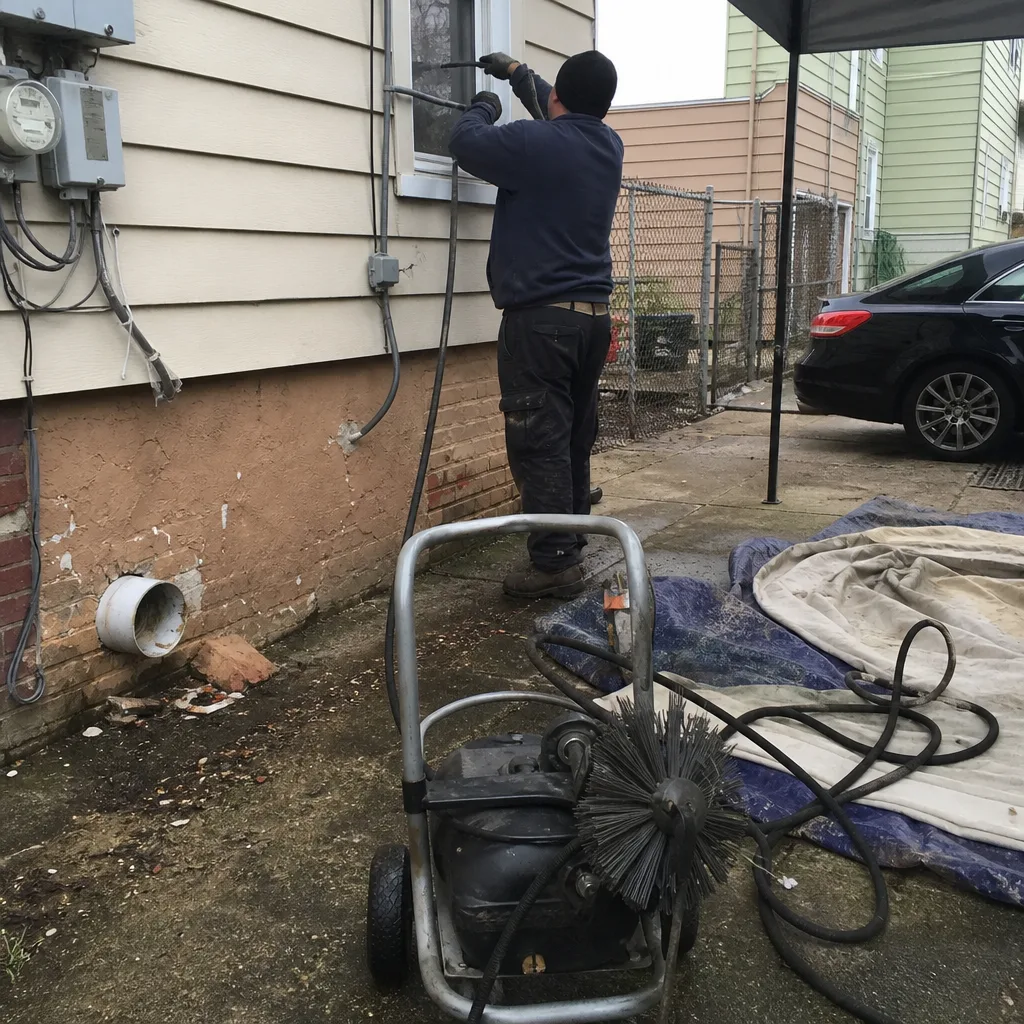 Before
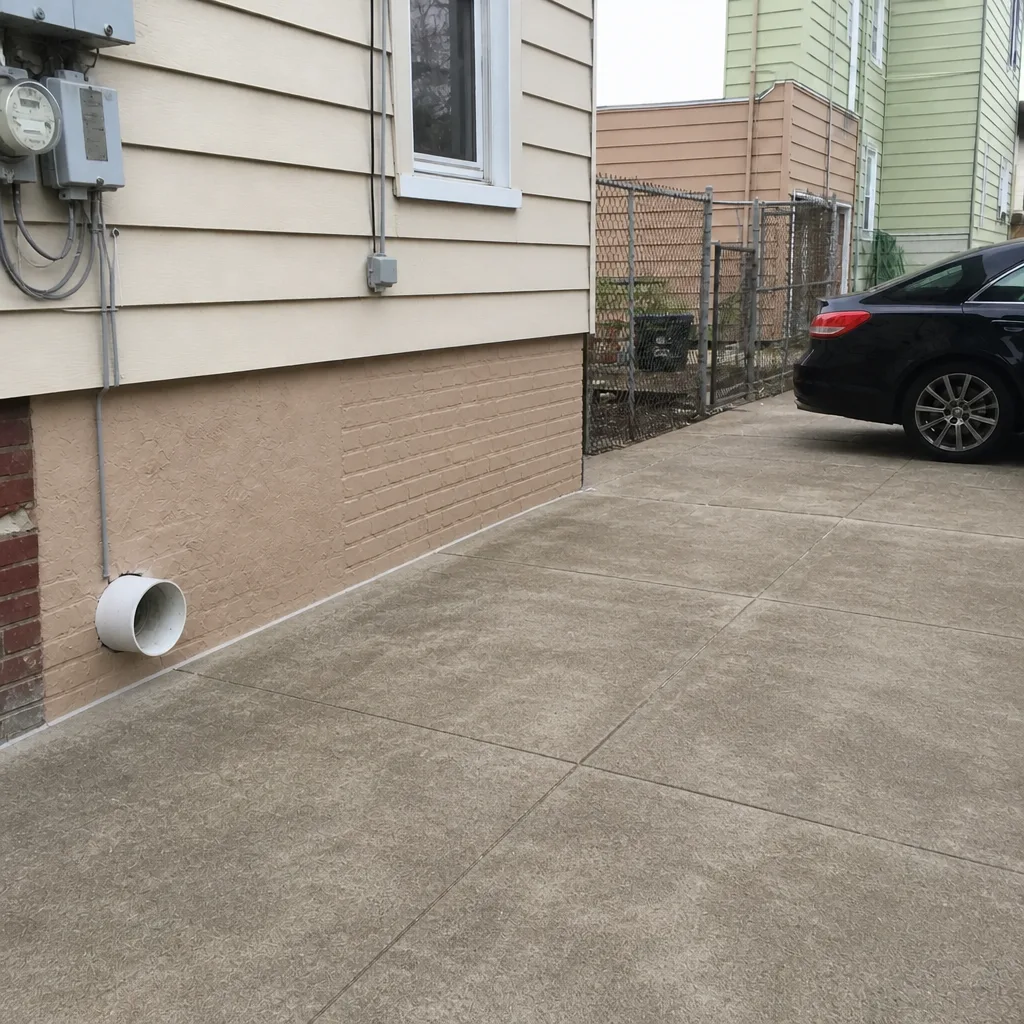 After
When to Call a Professional
Call for a professional cleaning when any of the seasonal events below applies, not just when the calendar is up. After a renovation where the system ran during the work. After a pest intrusion into the ducts, regardless of when the last clean was. After any water getting into the duct system, because water plus dust plus warm air is a mold condition. When a persistent musty smell returns every cooling season and a filter change doesn’t clear it. When you’re moving into a new Bushwick home and don’t know the system’s cleaning history. When a clogged dryer vent is showing the signs: longer dry times, a vent flap that barely opens, heat building up around the dryer. And in the fall as the heating season approaches, which is the seasonal window this whole guide hangs on.
Air Duct Cleaning Bushwick offers free estimates in Bushwick. Call (844) 946-2799. We answer 24/7. Fast dispatch from 7am to 7pm, Sunday through Friday. Our technicians have up to 13 years of experience, and the price is set per job by the written estimate before any work starts.
Frequently Asked Questions
Late September, just before heating season, is the best time for a single annual cleaning in Bushwick. That timing removes the spring pollen and summer humidity accumulation in one pass, right before the furnace starts pushing air through the system for months. A second spring cleaning is worth it if you have allergies or the system ran during a renovation.
Not universally; it depends on the system, the building, and what it’s been through. A well-maintained system in a newer building with no pets, no renovation, and no allergy concerns can go longer between cleanings. An older building with a long duct run, pets, allergies, or a renovation history usually benefits from an annual September clean. An estimate will tell you what your system actually needs.
Because the furnace is moving warm air through a duct system that carried cool, damp air all summer and collected settled dust, skin cells, and textile fibers over those months. The first heat cycle lifts that material and distributes it through the house. Cleaning before the first heat cycle, in September, is the way to avoid it. Call (844) 946-2799 for an exact quote; estimates are free.
It can be, and it’s convenient when both are due, but they’re timed on different triggers. Dryer vent cleaning follows dryer use and lint buildup, which is an activity question, not a seasonal one. Air duct cleaning follows the seasonal loading cycle. Coordinate them when both are due, but don’t schedule either one around the other.
No. Drywall dust and construction particulate are fine enough to stay airborne, and a consumer vacuum at a register agitates that material without capturing it. Professional cleaning uses rotary-brush dislodging plus dedicated extraction under negative pressure, which is what removes the material rather than recirculating it. Renovation is one of the clearest off-cycle triggers for a professional clean.
Bushwick’s four distinct seasons, with a real pollen-heavy spring, a humid summer, and a closed-building winter, create a bigger swing in contamination load across the year than a milder climate does. That’s why the September window matters here: it catches the peak load right before the season change. A place with a milder or more uniform climate would have a flatter schedule; Bushwick doesn’t.
The Bottom Line
The calendar year is the wrong clock for air duct cleaning in Bushwick. The right clock is the seasonal cycle. Spring loads pollen and mold spores through the cooling system, summer humidity sets the conditions for those to become a problem, fall startup pushes summer accumulation through the house, and winter concentrates what’s left in a closed building. A single professional cleaning in late September removes the spring and summer load right before it would have been distributed through the heating season, which is the most effective use of a cleaning. Dryer vent cleaning follows a separate, activity-based schedule, and events like renovation, pest intrusion, or water damage warrant going off-cycle. Professional-grade equipment, dislodge then extract, is what makes a cleaning do its job; timing is what makes it do the most work.
Call (844) 946-2799 for a free estimate. We answer 24/7. Fast dispatch from 7am to 7pm, Sunday through Friday. One flat price per system agreed before work starts, before-and-after photos of your own ducts, and a satisfaction guarantee. Our technicians have up to 13 years of experience and work with Rotobrush, Nikro, and Abatement Technologies equipment on every job.
Written by the team at Air Duct Cleaning Bushwick.