
Last updated November 20, 2026
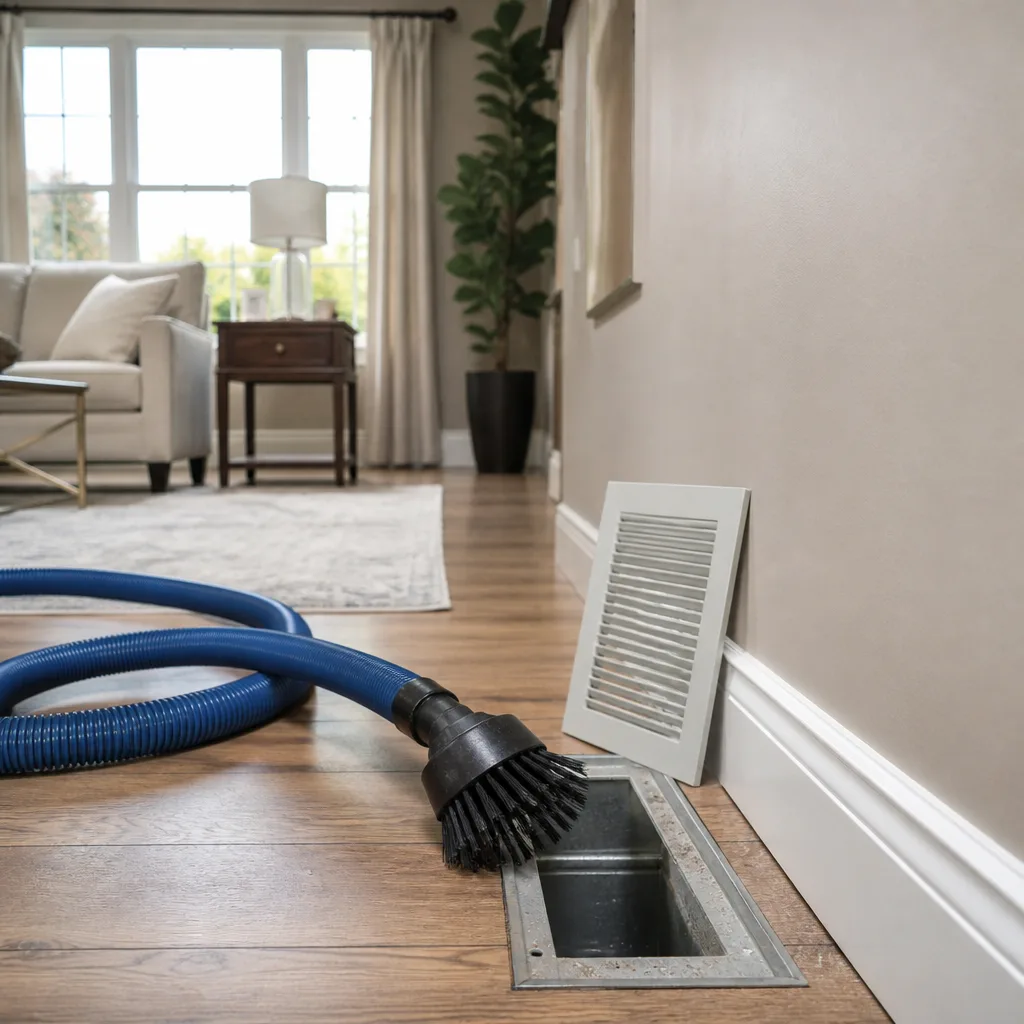 Whole-home duct cleaning
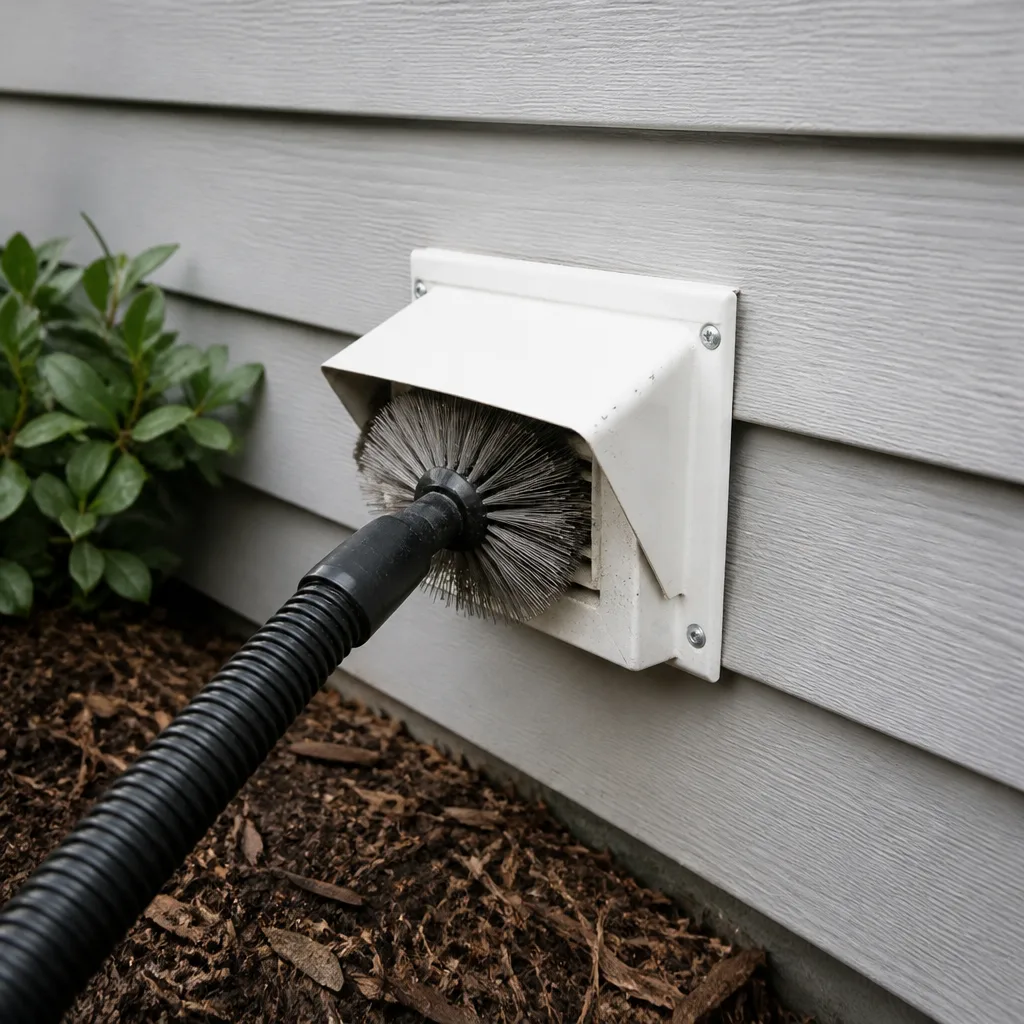 Dryer vent cleaning
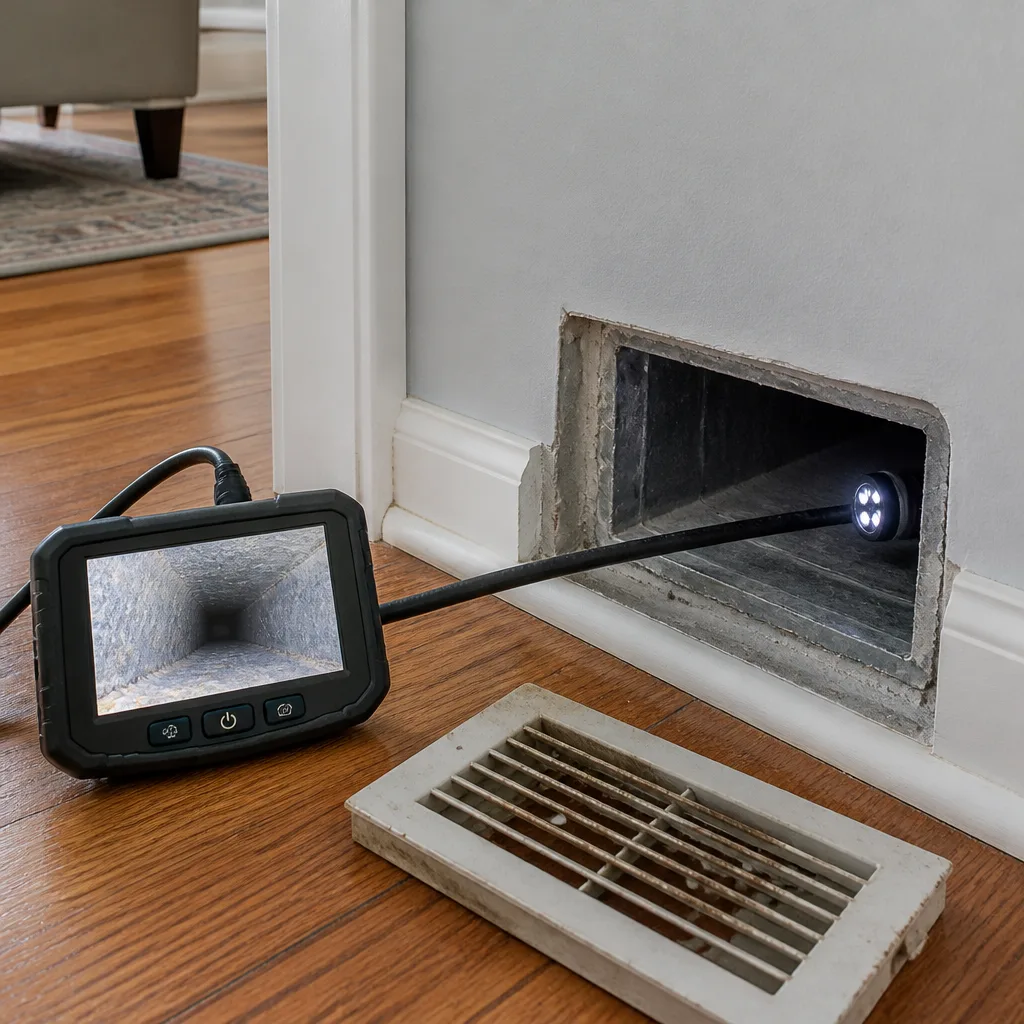 Camera inspection
 Sanitizing & deodorizing
Whole-system duct and dryer vent check with before-and-after photos - you see exactly what came out of your vents
That "$99 whole-house special" is a bait ad - the real number appears once they are in your hallway, or the "clean" is a shop-vac at the register. We photograph the inside of your ducts before and after instead.
Air Duct Cleaning Warning Signs: A Bushwick Homeowner’s Reference Guide
Dust on your supply registers is not a warning sign. That’s normal accumulation, the same film that settles on a windowsill. The actual warning sign is dust that comes back within 48 hours of wiping the register clean. When grime reappears that fast, something inside the duct system is actively generating particles rather than merely collecting them, and that changes the whole diagnosis. Most lists of air duct cleaning warning signs stop at the symptom and never explain what’s causing it or how quickly you need to act. This guide treats each sign as diagnostic data: what it probably means, how serious it is, and exactly what to do next. We’ve built it for the housing stock you actually live in around Bushwick, where pre-war walkups and converted lofts present duct problems that newer construction rarely sees.
Quick Answer
The main warning signs of contaminated air ducts are dust that returns to registers within 48 hours of cleaning, a musty smell that appears specifically when the HVAC system starts up, visible debris or pest evidence behind the grille, and respiratory symptoms that worsen when the system runs. Any one of these means the system should be inspected by a technician, not self-diagnosed. Signs that a cleaning alone won’t fix include collapsed flex duct, water-saturated insulation, and corroded galvanized steel.
Styles & brands we work with
- Whole-home duct cleaning
- Dryer vent cleaning
- Camera inspection
- Sanitizing & deodorizing
Table of Contents
- The White Cloth Test: A Field Method for Bushwick Homeowners
- What Musty Odor After HVAC Startup Actually Means
- Respiratory Symptom Patterns That Point to Duct Contamination
- Pest Evidence in Registers: Insects vs. Rodents
- Severity Levels: Ranking Each Warning Sign by Urgency
- Warning Signs That Cleaning Won’t Be Enough
- Why Bushwick’s Housing Stock Produces Specific Duct Problems
- What a Professional Inspection Actually Involves
The White Cloth Test: A Field Method for Bushwick Homeowners
You can separate cosmetic dust from active contamination in about ten minutes with two items: a flashlight and a clean white cloth. This isn’t a substitute for a professional inspection, but it tells you whether to keep watching a system or book someone to look at it.
Here’s the sequence to run, and it works the same in a three-story walkup off Knickerbocker as it does in a newer rental near the Jefferson Street L stop.
- Turn the system off so you’re not testing a moving air stream.
- Remove one supply register grille and one return grille. Most are held by two screws or simple friction clips.
- Shine the flashlight up into the duct throat, not just at the grille face. You’re looking at the interior surface, not the frame.
- Wipe the inside throat firmly with the white cloth in one pass.
- Set the cloth down in good light and read the color. Light gray is surface accumulation. Dark brown or black, sticky or greasy, is a different story.
- Repeat on the return side. Return ducts pull in the room’s air and typically carry far heavier loading than supply runs.
- Wipe the same spot again after 48 hours. Reappearing grime is the actual warning sign.
If the cloth comes back clean both times, schedule normal maintenance and stop worrying. If it comes back dark, greasy, or reappears within two days, the system is regenerating particles and it’s worth a call. This test is described so you can read the result, not so you dismantle anything, and we’d say the same to any Bushwick homeowner: leave the interior work to someone trained for it. For a fuller picture of what real cleaning involves, the air duct cleaning process is the reference point.
What Musty Odor After HVAC Startup Actually Means
A musty smell that appears in the first minute of HVAC startup, then fades, almost always signals something wet and organic on the evaporator coil or inside lined ductwork. Where the odor sits structurally matters, because the two locations need different responses.
If the smell is strongest right at the vents but fades within a few minutes, the likely source is surface biofilm on the evaporator coil. Condensation on a coil plus dust gives microbes a foothold, and when the fan starts, it pushes the smell through before the coil dries. Surface biofilm on accessible equipment is often cleanable with proper extraction and filtration equipment.
If the odor persists well after startup and gets stronger as the system runs, the more worrying possibility is established growth inside internal duct lining. Older commercial spaces, and some converted lofts around Bushwick, use fiberglass-lined ductwork where insulation can soak up condensation and hold moisture for a long time. Once growth is established in lining, cleaning may not restore it, and the liner itself becomes the problem.
The distinction is not one you can settle by smell alone, which is why a technician with proper filtration equipment matters here. When we dislodge contaminants, the goal is to remove them, not recirculate them into your living room, which is why we bring Abatement Technologies air-filtration units on duct work. That remediation-grade filtration keeps what comes out of the ducts out of your air.
Respiratory Symptom Patterns That Point to Duct Contamination
The symptom pattern most consistent with duct contamination is this: symptoms that ease when the system is off and return within an hour of it running, and symptoms that clear when you leave the building. If that pattern holds, duct contamination is one plausible source and worth investigating. If it doesn’t hold, the cause is more likely elsewhere in the home.
Why the pattern matters: it’s a timing test. Dust, allergens, and microbial residue in the duct system only enter the air when the blower runs. A source in upholstered furniture, carpet, or a damp basement sends particles into the air regardless. So watch the on-off correlation, not just the symptoms.
Other indoor air quality sources that mimic duct symptoms include:
- Pollen tracked in during spring, common in Bushwick’s many street-tree canopies.
- Damp walls or ceilings after a hard rain, which push mold spores into the room.
- Pet dander that accumulates in furniture and rugs rather than ducts.
- Humidity swings in older buildings where windows and walls don’t seal tightly.
Which is why we say the next step is a technician’s inspection, not a self-diagnosis. Symptoms tell you when to look, not what you’ve found. A visual inspection of the registers, the coil, and the returns confirms what’s actually going on far better than any checklist. Air Duct Cleaning Bushwick approaches this as a full-system question, which is why our HVAC cleaning work covers the coil and equipment alongside the ductwork.
Pest Evidence in Registers: Insects vs. Rodents
Pest evidence in a register is not just unpleasant. It’s diagnostic, and the response protocol differs by species because the contamination differs.
Insect evidence typically looks like fine speckled debris, shed wings, or tiny casings. Roaches are the most common insect presence in Bushwick’s older multi-unit buildings, and they favor return ducts. Their debris is a residue problem, cleanable with dislodging and extraction. The deeper issue is the living colony, which won’t be fixed by cleaning ducts alone. If you’re seeing live roaches in registers, seal your pantry and call a pest professional alongside a duct inspection.
Rodent evidence usually looks bigger and messier: droppings, shredded paper or insulation, gnaw marks on flex duct, or a nest at the duct connection. Rodents matter more for duct systems because they tear into flexible duct, and a torn section becomes a contamination pathway from a wall cavity straight into your air supply. That’s a repair before a cleaning.
Combined with the odor test, pest evidence is one of the few signs where the recommended action is genuinely urgent. If you find rodent damage to duct material, don’t run the system while you decide what to do; that open tear is pulling air from the cavity.
Severity Levels: Ranking Each Warning Sign by Urgency
Not every warning sign carries the same weight. Ranking them by severity tells you how fast to act.
Low urgency: Light gray dust on the register frame. Cosmetic; handle on your normal cleaning schedule.
Moderate urgency: Dust returning to registers within 48 hours, persistent faint odor, or visible surface dust inside the duct throat. Book an inspection.
High urgency: Strong musty odor that worsens with runtime, visible insect presence, or a symptom pattern that correlates with system operation. Address within the week.
Critical: Rodent damage to flex duct, water-saturated insulation, or corroded galvanized duct material. Stop using the system until it’s assessed, since the risk is contamination plus possible equipment damage.
In our experience, Bushwick homeowners most often wait too long on the moderate category, treating the recurring-dust sign as background noise until it becomes a high-urgency odor problem. The moderate category is the one where a professional inspection saves the most work later, because it’s the stage where cleaning typically resolves the issue.
Warning Signs That Cleaning Won’t Be Enough
Sometimes the diagnostic signs point to physical damage that no cleaning can fix. Recognizing these saves you from paying for a service that won’t solve the problem.
- Collapsed flex duct. If a run of flexible ductwork has sagged or crushed, the airflow restriction is structural. Cleaning can’t restore the cross-section.
- Water-saturated insulation. Lined ductwork that’s absorbed water loses its ability to insulate and can develop growth. A saturated liner usually has to be replaced, not cleaned.
- Corroded galvanized steel. Heavy rust pitting weakens the duct and creates rough surfaces that trap debris. Cleaning abrades but doesn’t repair.
- Torn flex duct from rodent activity. The tear is the problem. Sealing or replacing the section comes first.
- Disconnected duct runs in wall cavities. If the run is dumping air into the wall, cleaning the accessible portion won’t fix the leak.
These situations require repair before cleaning, which is why an honest inspection comes first. We tell every Bushwick customer the same thing: if the duct system needs repair, we say so before the cleaning crew unrolls the hose, not after.
Why Bushwick’s Housing Stock Produces Specific Duct Problems
Bushwick’s housing stock is unusually varied, and that variation shows up in duct warnings. In the pre-war walkups that dominate much of the neighborhood, original layouts were often converted between heating systems over decades. A single apartment may have ductwork from three different eras, and the back-to-back conversions often left return paths unclear. Old return pathways are a reliable source of recurring-dust readings.
In the converted loft and commercial buildings around Bushwick, lined fiberglass ductwork is common. In a neighborhood where summers are humid and winters are cold, that lining goes through serious seasonal humidity swings, which makes moisture retention the central risk. Any musty odor in a lined-duct building deserves a technician’s eye rather than a scrub.
Single-family homes in the quieter streets have their own pattern: older systems retrofit with modern equipment, so the duct work is aging while the HVAC unit is not. Thematic mismatches between equipment and ductwork often create airflow problems that look like duct contamination but are actually restricted runs.
The equipment matters as much as the diagnosis. Air Duct Cleaning Bushwick runs Rotobrush rotary-brush systems to physically agitate deposits, paired with Nikro extraction equipment to pull the dislodged material out of the system. Brush agitation plus extraction is the two-step reality of real cleaning, and it’s why a consumer-grade vacuum can’t do the work. Our technicians have up to 13 years of experience across these different building types.
Understanding the systems inside the homes you service matters too. Familiarity with Honeywell and Aprilaire air-quality components, which show up in plenty of Bushwick installations, means we read a system rather than just clean a length of duct.
What a Professional Inspection Actually Involves
A proper inspection of a duct system follows a predictable sequence. Here’s what to expect when a trained technician arrives, and why each step exists.
- Walkthrough and questions about what you’ve noticed, including when the symptoms appear.
- Visual inspection of every accessible register and return, with the grilles removed.
- Inspection of the air handler and evaporator coil, since that’s where moisture problems usually originate.
- Assessment of duct material and condition, checking for tears, saturation, and corrosion.
- Airflow check at representative registers.
- Written findings and a recommendation: clean, repair first, or leave it be.
That last step matters most. A good inspection sometimes ends with “no action needed,” and that’s the correct result. Air Duct Cleaning Bushwick treats air-system cleaning as a focused craft with a narrow menu of three services: air duct cleaning, dryer vent cleaning, and HVAC cleaning. We don’t offer a full slate of unrelated trades, which means every job we take on falls within what we actually do.
One related note, since it’s the same call: if you’re noticing lint buildup behind the dryer or a vent that runs warm to the touch, that’s a separate sign from this guide. dryer vent cleaning is its own service with its own warning signs and its own fire-risk profile. Worth a look while the technician is already in the unit.
Common Mistakes to Avoid
- Mistaking normal register dust for a warning sign. Some accumulation is expected. The signal is how fast it returns after cleaning, not whether it’s there.
- Cleaning the coil but skipping the ducts, or the reverse. Coil biofilm and duct contamination feed each other. In Bushwick rentals where a technician only touches one side, the problem comes back.
- Diagnosing from symptoms alone. On-off symptom patterns narrow the likely cause, but only an inspection confirms what’s actually in the system.
- Ignoring a faint musty odor until it’s strong. Moderate smells are the cheapest stage to fix, before lining saturates or growth establishes.
- Assuming pest evidence is only a cleaning problem. Live insect presence or rodent damage needs pest control or duct repair alongside cleaning.
- Renting consumer equipment for a cleaning job. Hardware-store vacuums can’t dislodge deposits or capture what comes loose. That’s a difference in the tool itself, not just in the cost.
- Running a system with rodent-torn ductwork. That tear pulls cavity air into your living space. Shut it off until assessed.
See the difference
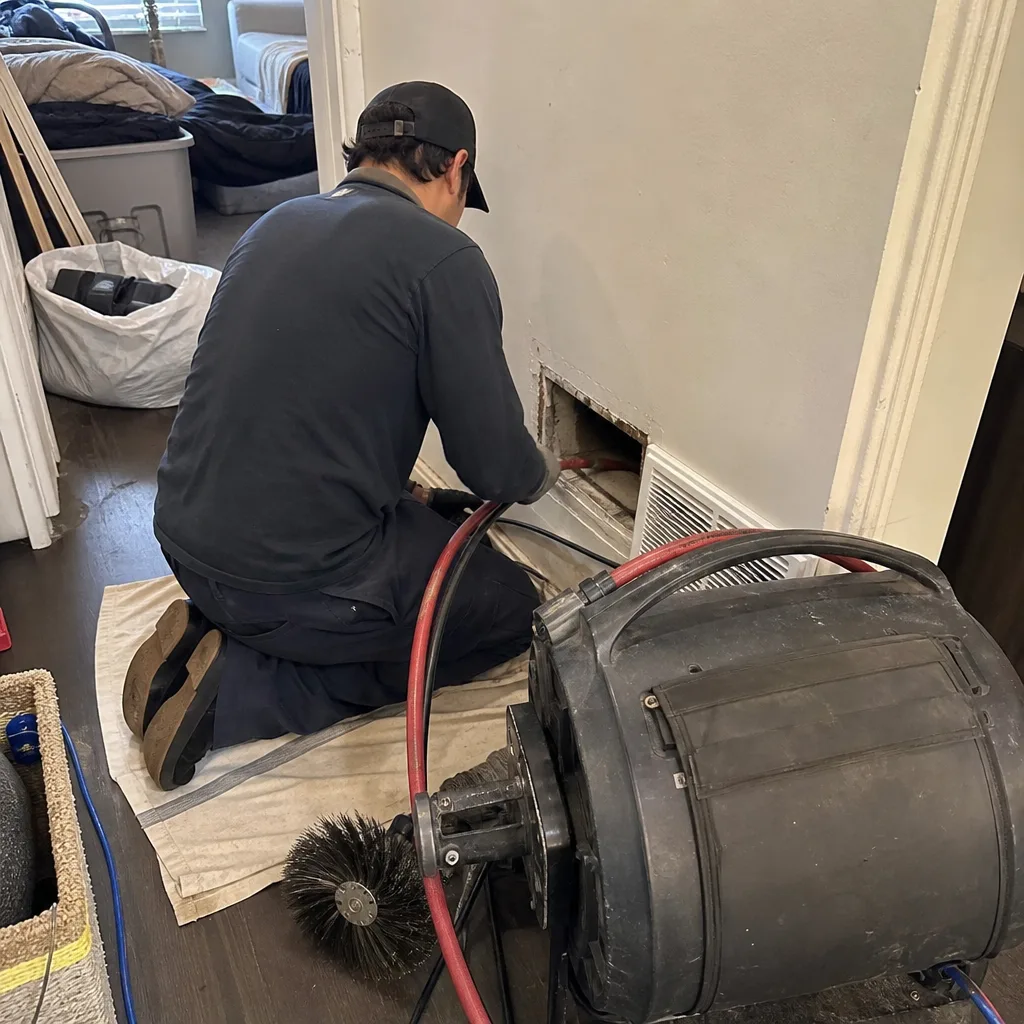 Before
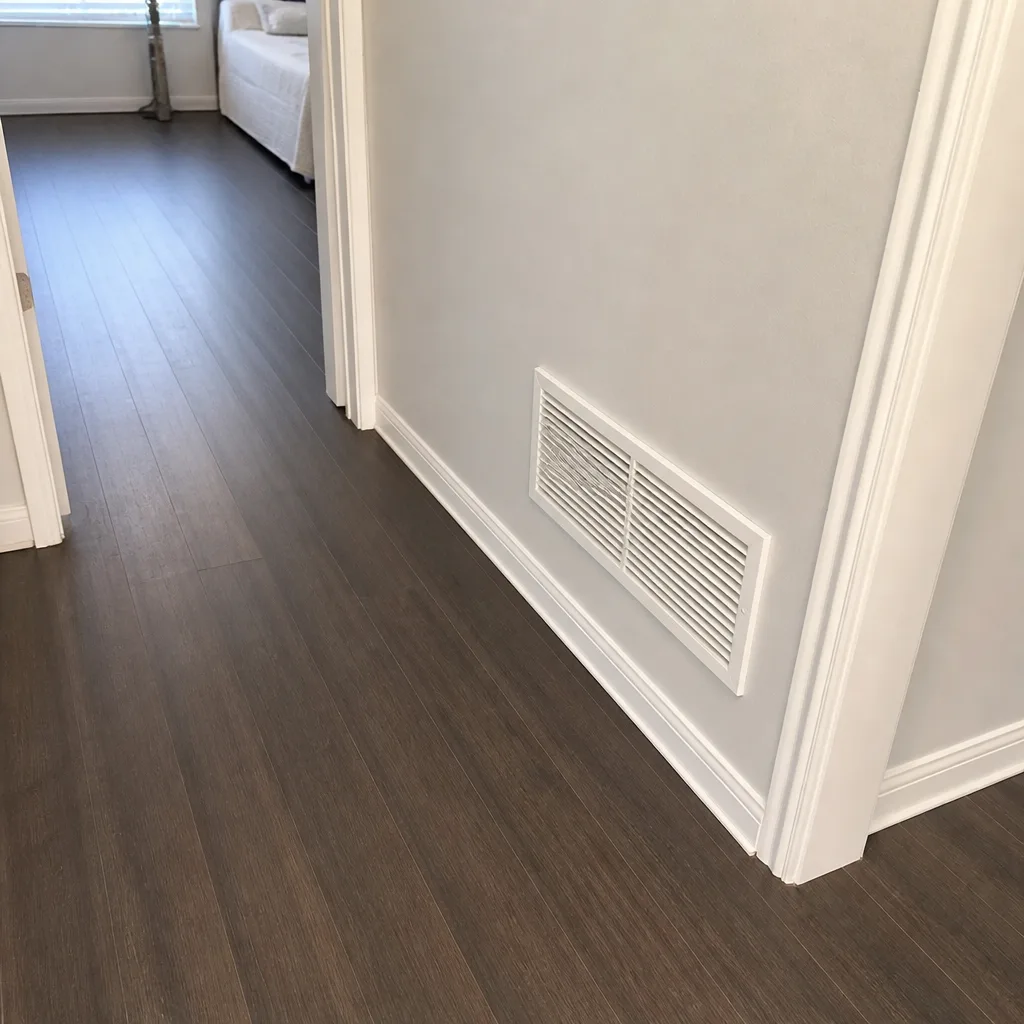 After
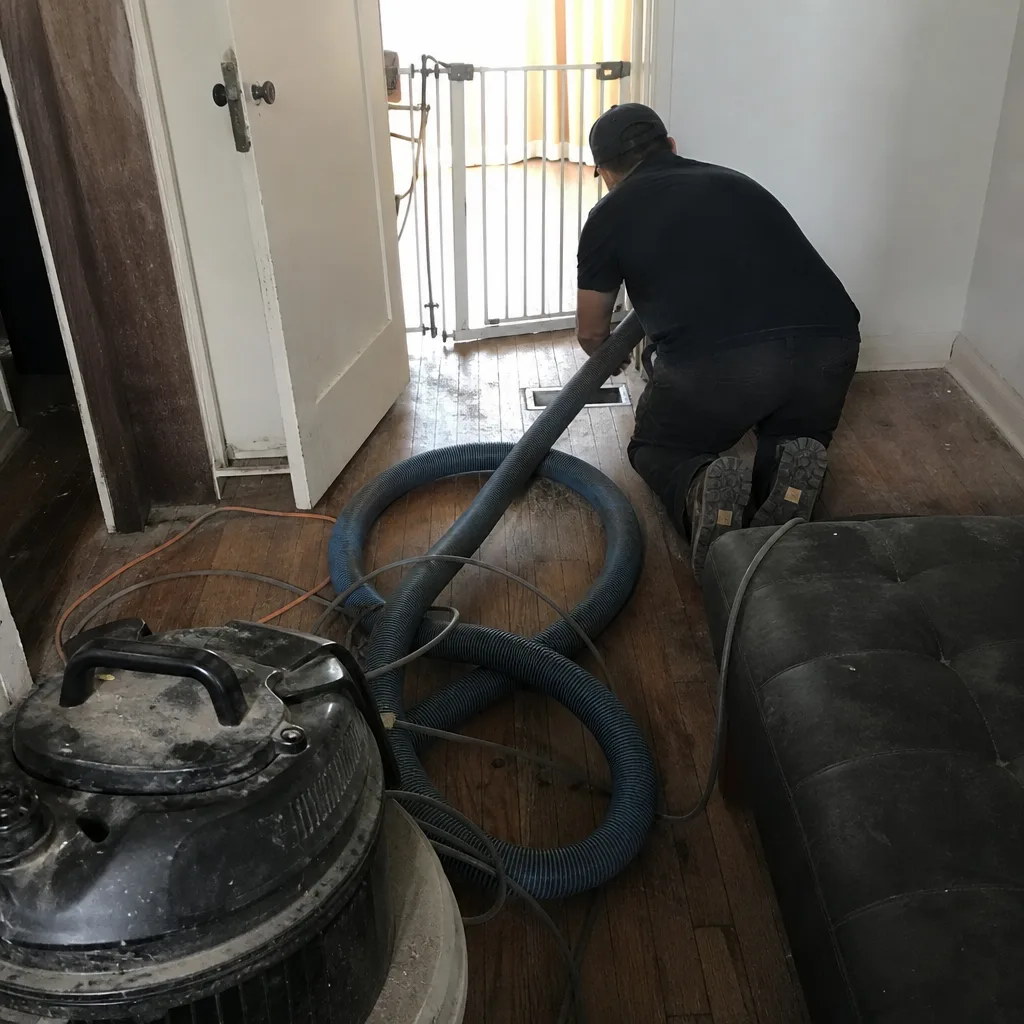 Before
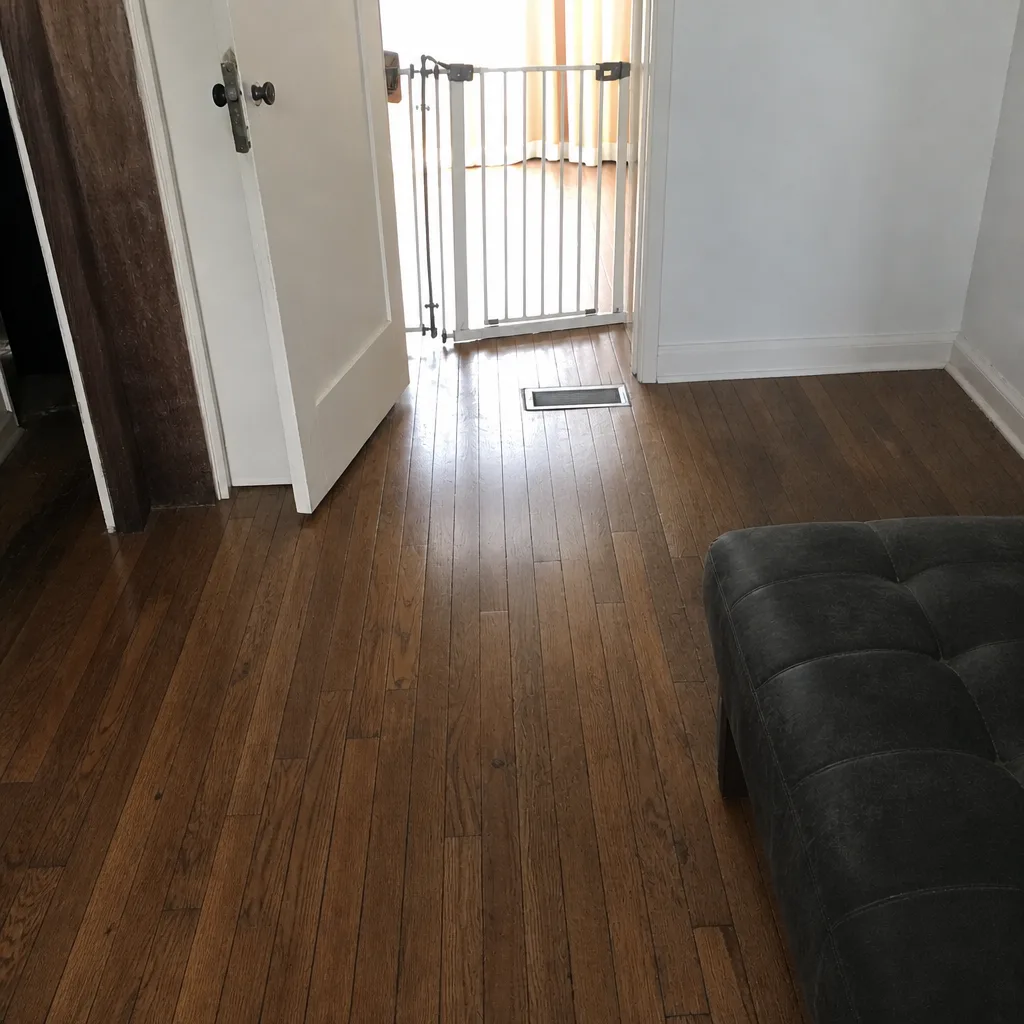 After
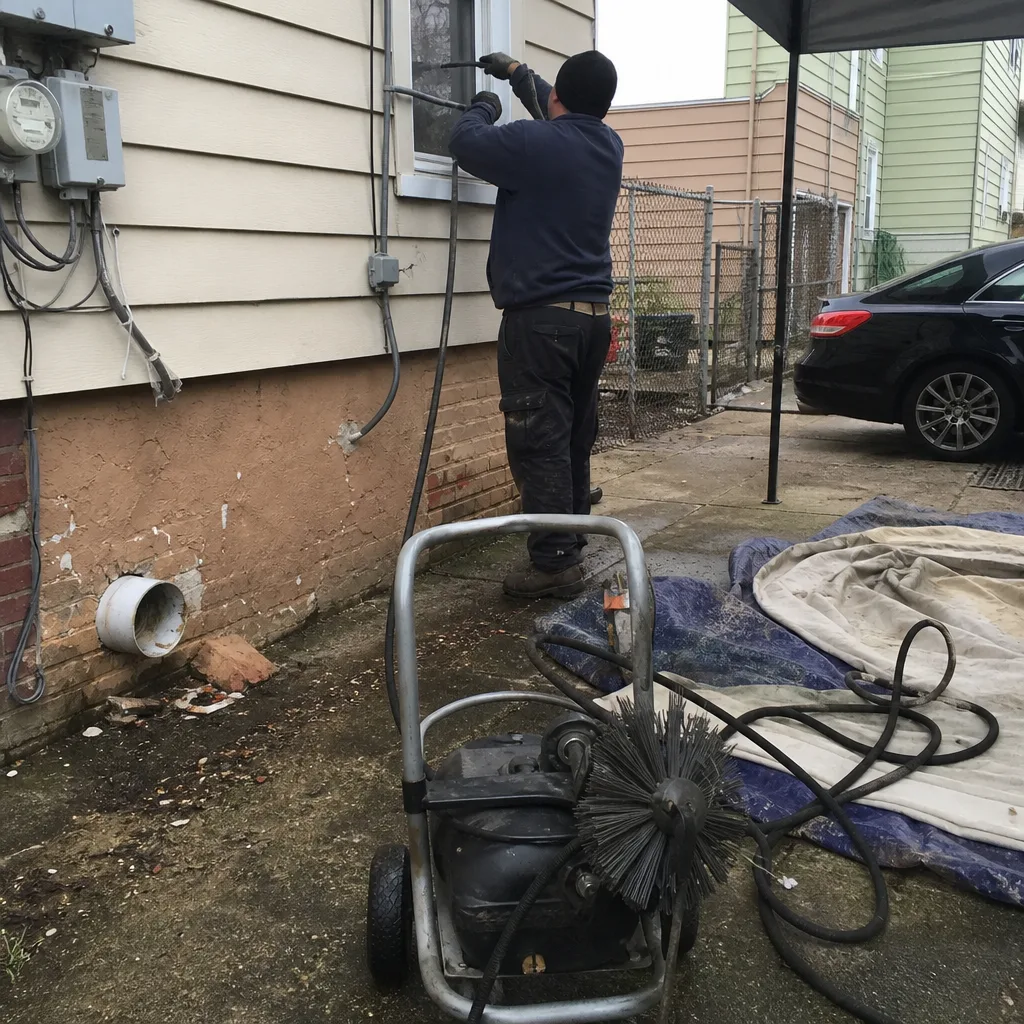 Before
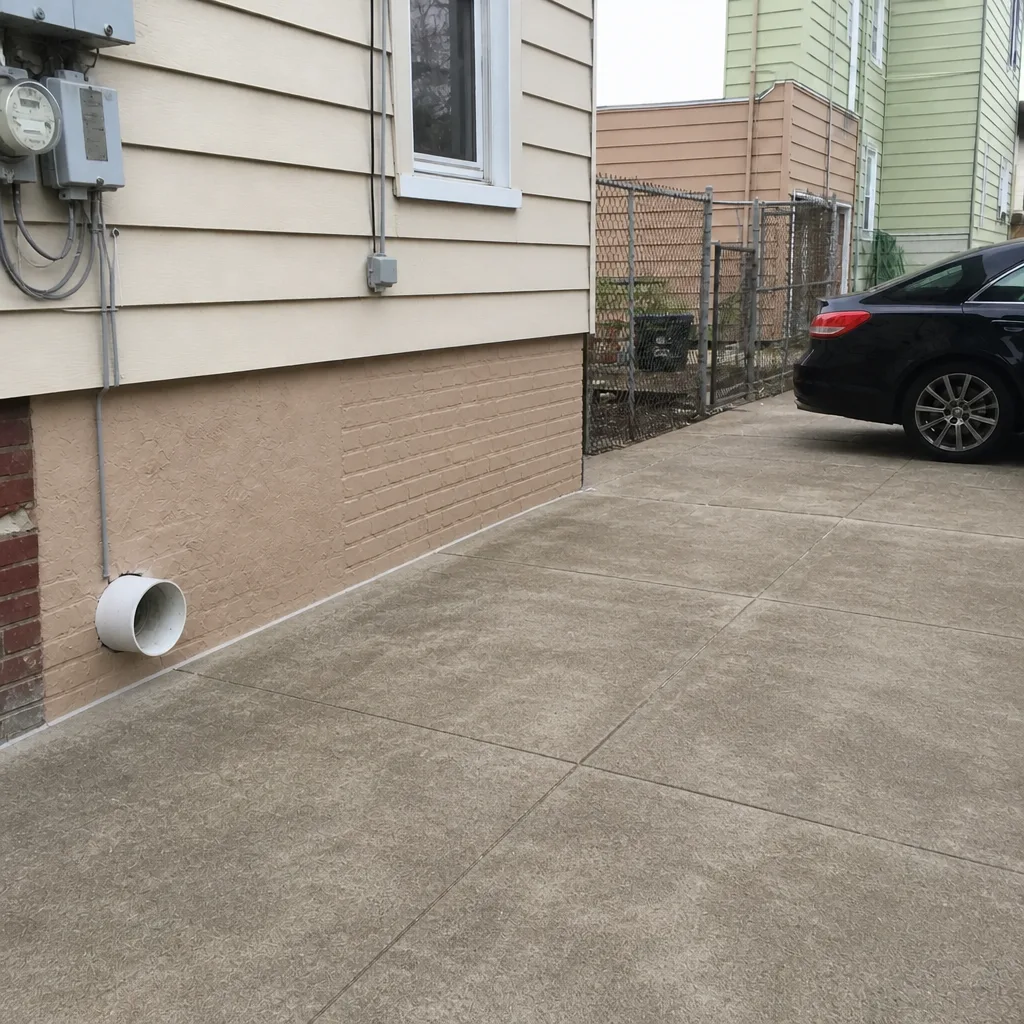 After
When to Call a Professional
Call when the white cloth test returns dark or greasy, when dust reappears within 48 hours, or when a musty smell shows up specifically at HVAC startup. Call if you’ve found insect presence or rodent damage inside a register, if the system is running but airflow at one room feels notably weak, or if a recent inspection found water saturation or corrosion. In each case, an inspection comes before any cleaning. If you’ve noticed the same set of warning signs recurring after a previous service, that’s the strongest signal to get a second look.
Air Duct Cleaning Bushwick offers free estimates in Bushwick and the surrounding blocks, with a written price agreed per system before any work starts. Call (844) 946-2799. We answer 24/7. Fast dispatch from 7am to 7pm, Sunday through Friday.
Frequently Asked Questions
Run the white cloth test on one supply register and one return register, then repeat on the same spot after 48 hours. If dark or greasy residue reappears that quickly, the system is actively generating particles and an inspection is warranted. If the cloth comes back light gray both times, normal maintenance is enough.
No. A startup-only musty smell most often traces to surface biofilm on the evaporator coil, not necessarily to established growth inside the duct lining. The two cases look similar from your living room but need different work, which is why a technician’s inspection of the coil and ductwork comes before any cleaning plan. Call (844) 946-2799 for an exact quote after inspection.
Recurring dust within 48 hours points to active particle generation inside the system, usually from a heavily loaded return run, a dirty coil, or loose debris in the duct throat. Surface buildup alone doesn’t regenerate that fast. A proper decontamination with brush agitation and extraction resolves the source rather than the symptom.
Fine speckled debris and shed casings point to insects, which is a residue problem that cleaning can tackle, plus a pest control call. Droppings, shredded insulation, or gnaw marks point to rodents, which frequently means torn flex duct that has to be repaired before cleaning. Both cases warrant a professional look rather than a DIY scrub.
Some problems are structural and cleaning won’t help. Collapsed flex duct, water-saturated insulation, corroded galvanized steel, and torn duct sections all need repair before any cleaning makes sense. A competent technician identifies these on inspection and tells you before work starts. Call (844) 946-2799 for an estimate.
It doesn’t change what the warning signs mean, but familiarity with your system helps the technician interpret airflow readings and coil condition accurately. Air-system components from these brands are common in Bushwick installations, and our team is used to reading them as part of the full system. It’s one more reason to have a technician look rather than self-diagnose.
The Bottom Line
Dust on a register isn’t the warning sign; dust that returns within 48 hours is. The same logic applies across the guide: symptoms become useful only when you map them to a probable cause and a severity level. Run the white cloth test, watch the on-off pattern of odors and respiratory symptoms, and treat pest evidence as the urgent category it is. Know that collapsed duct, saturated insulation, and corrosion sit outside what cleaning can fix. All of which is why the shortest correct path is an inspection rather than a self-diagnosis. Air Duct Cleaning Bushwick approaches the full air system with contractor-grade equipment, and a free estimate is one call away at (844) 946-2799.
Written by the team at Air Duct Cleaning Bushwick.