
Last updated November 20, 2026
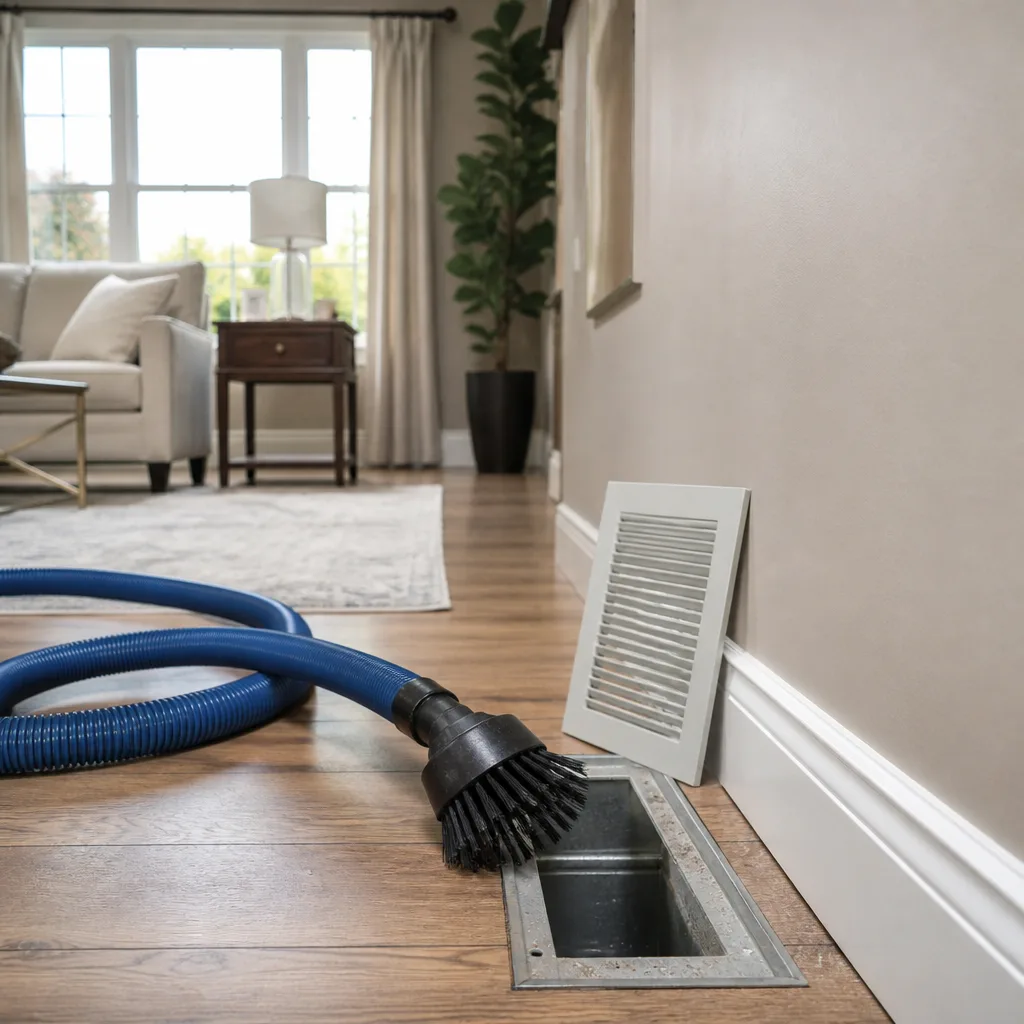 Whole-home duct cleaning
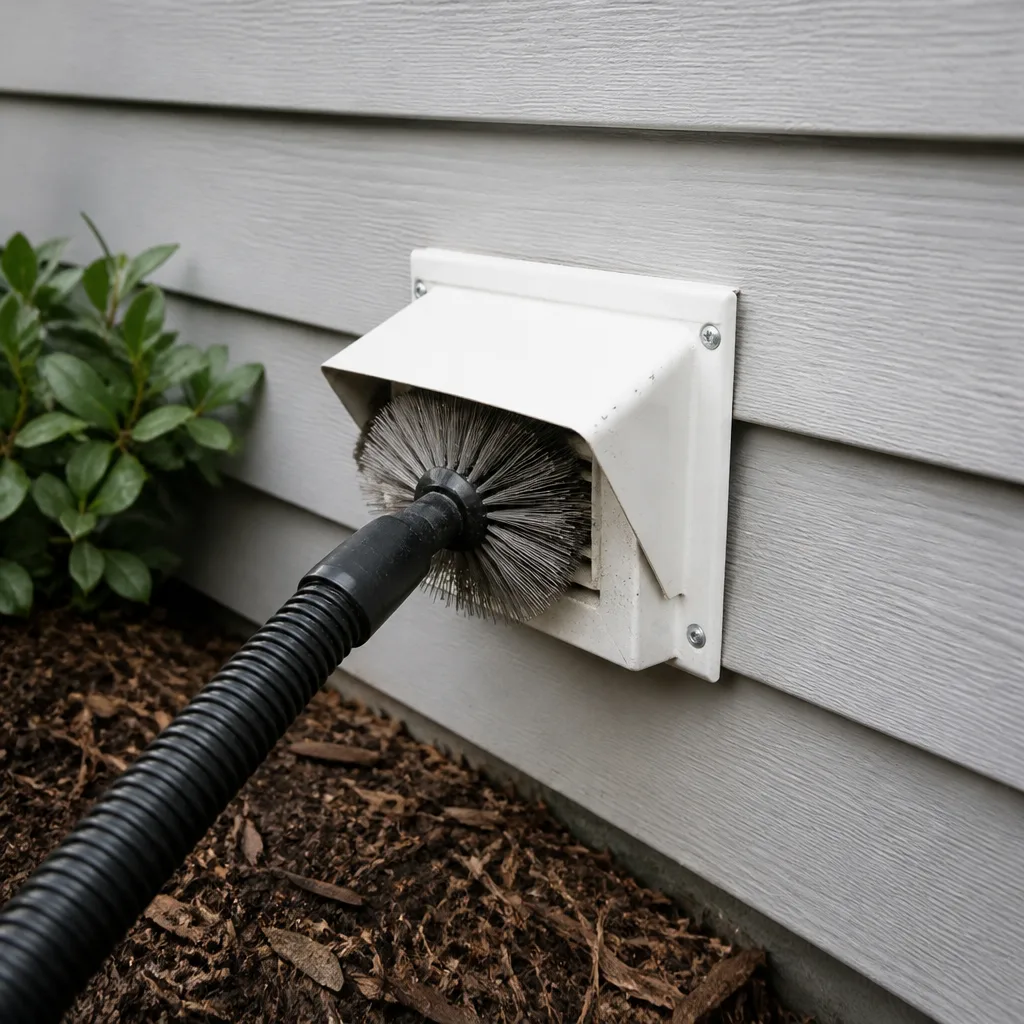 Dryer vent cleaning
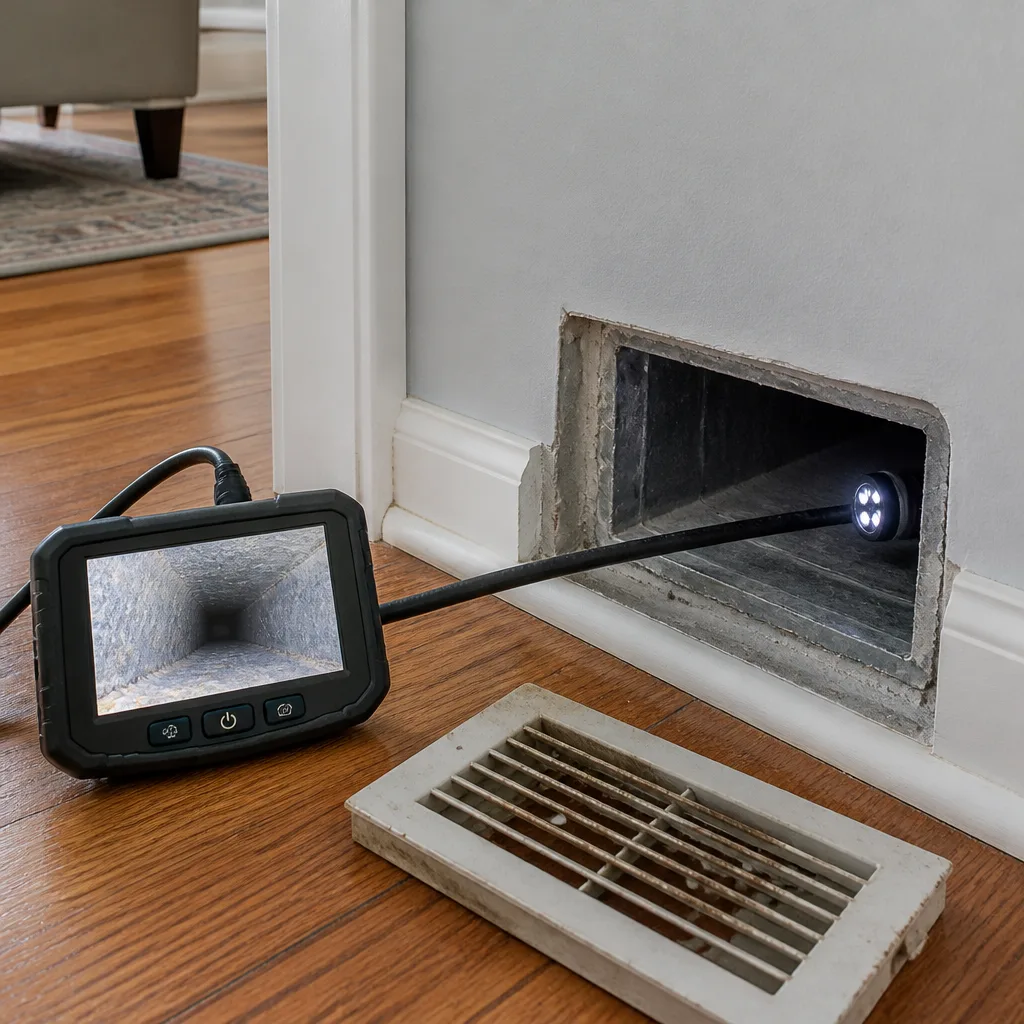 Camera inspection
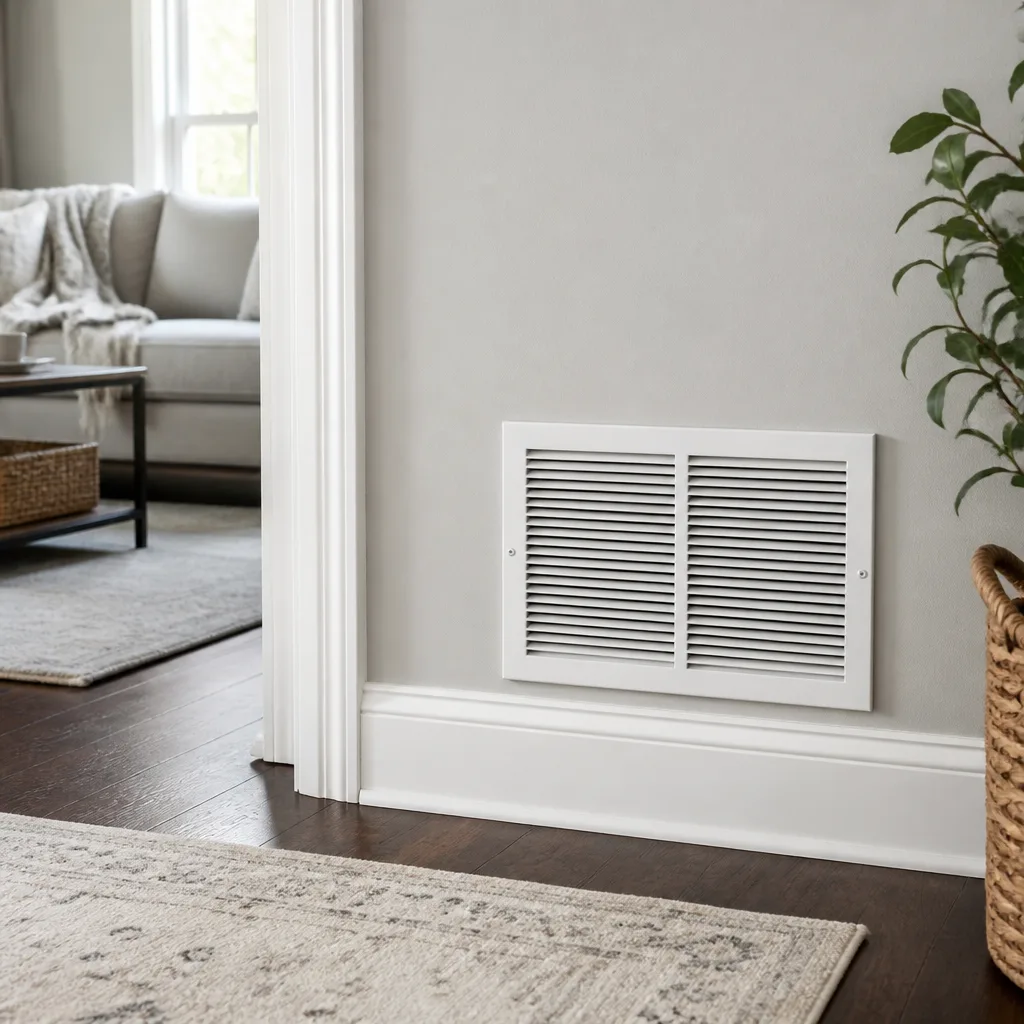 Sanitizing & deodorizing
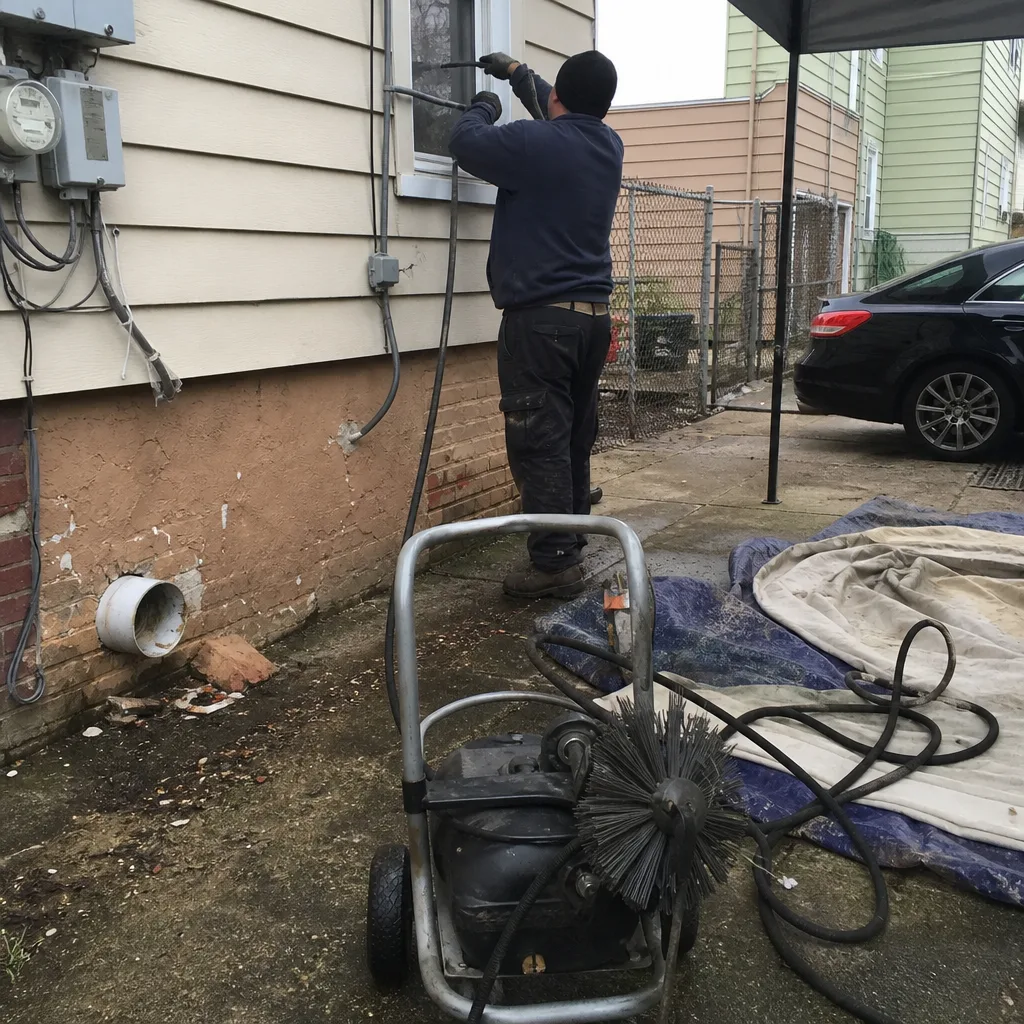
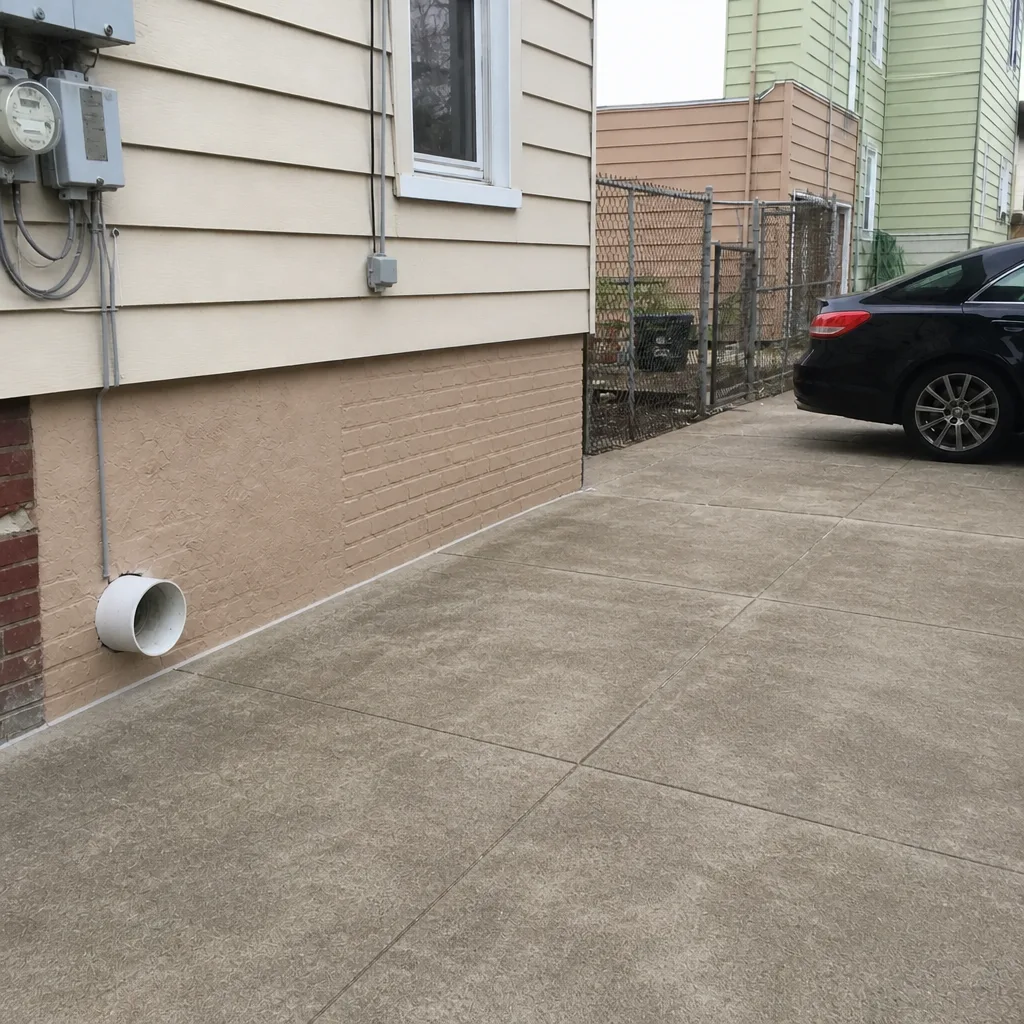
Whole-system duct and dryer vent check with before-and-after photos - you see exactly what came out of your vents
That "$99 whole-house special" is a bait ad - the real number appears once they are in your hallway, or the "clean" is a shop-vac at the register. We photograph the inside of your ducts before and after instead.
Air Duct Cleaning Permits, Codes & Inspections in Bushwick, NY: What You Need to Know
No permit is required to clean your ducts in New York City. That single fact is where most Bushwick homeowners stop reading, and it’s also where the trouble starts. Cleaning is mechanical: brush agitation and extraction, no alteration to the building. But duct work is different. If a technician finds a collapsed run and replaces it, cuts in a new register, or applies an EPA-registered encapsulant to a contaminated liner, the regulatory picture changes immediately, and most people never learn that line exists until an inspector or an insurance adjuster points it out. This guide walks through where cleaning ends and permitted work begins, what NYC agencies actually regulate, how mold in ductwork intersects with Local Law 55, what landlords in Bushwick multi-family buildings owe their tenants, and what paperwork to collect so the job stands up years later.
Quick Answer
In Bushwick and across New York City, routine air duct cleaning does not require a permit, because it removes debris without changing the building’s mechanical systems or structure. A permit generally becomes necessary when the work crosses into duct repair or replacement, new duct runs, HVAC modifications, or certain mold remediation that falls under NYC Local Law 55. Always confirm the scope with the contractor and, for anything beyond cleaning, with the NYC Department of Buildings before work starts.
Styles & brands we work with
- Whole-home duct cleaning
- Dryer vent cleaning
- Camera inspection
- Sanitizing & deodorizing
Table of Contents
- Cleaning vs. Duct Work: Where NYC Draws the Line
- What the NYC DOB and DEP Actually Regulate
- When Mold in Ductwork Triggers Local Law 55
- How EPA-Registered Sealants and Encapsulants Are Regulated
- Landlord and Tenant Obligations in Bushwick Multi-Family Buildings
- Documentation to Request After the Job
- What a Code-Compliant Cleaning Job Involves
- Inspections, Resale and Insurance Reviews
Cleaning vs. Duct Work: Where NYC Draws the Line
The distinction that matters most is between maintenance and construction. Cleaning is maintenance. It removes what has accumulated inside a system that stays exactly as it was built. Construction alters the system, and construction is what the city permits, inspects and holds someone accountable for.
For a Bushwick homeowner, the practical question is simple: will the technician only remove material, or will they change the duct system itself? If the answer is the second one, you’re no longer talking about air duct cleaning in the maintenance sense. You’re talking about mechanical work.
Here’s how the split usually plays out on a real job:
- On the cleaning side: brushing and vacuuming supply and return ducts, clearing registers and grilles, cleaning the air handler cabinet, and cleaning the blower compartment as part of HVAC cleaning. None of this changes the building’s systems.
- On the permitted side: replacing a length of flex or sheet-metal duct, adding or relocating a supply register, resizing a trunk line, connecting a new air handler, or sealing a duct with a spray-applied product rather than a mechanical one.
- The gray zone: minor repairs to a disconnected joint, re-taping a seam, or re-hanging a sagging run. These rarely need a permit, but they are repairs, not cleaning, and should be described as such in writing.
Bushwick’s housing stock makes this a live question. Much of the neighborhood’s rental and owner-occupied housing is older construction with ductwork that has been modified, extended or rerouted over the years. When a system has been patched repeatedly, the odds of a technician finding something that needs actual repair go up, and that’s exactly when the permit conversation needs to happen before anyone picks up a tool.
If you’re hiring for cleaning, get the scope in writing and make sure it says cleaning. If the contractor proposes repair, ask whether that repair requires a filing. A professional will answer that question directly rather than changing the subject.
What the NYC DOB and DEP Actually Regulate
Two city agencies come up in almost every conversation about ductwork in Bushwick, and they do different jobs. Understanding which one does what saves a lot of confusion.
NYC Department of Buildings (DOB) regulates construction and alteration. When ductwork is installed, replaced or significantly modified, the work falls within DOB’s scope, and a licensed contractor files for the permit. The DOB inspects permitted work. Routine cleaning of an existing system is not a DOB matter.
NYC Department of Environmental Protection (DEP) handles air quality, noise and asbestos-related concerns. If you’re worried about what’s being released into the air during a cleaning, that falls closer to DEP’s territory than the DOB’s. A responsible contractor controls dust at the source rather than letting it drift through the apartment. That’s why equipment matters: Air Duct Cleaning Bushwick uses Abatement Technologies air-filtration units during cleaning so dislodged material is captured instead of recirculated into the room.
In practice, here’s the order to think in:
- Is the work cleaning only? No permit. No filing. Move forward.
- Is the work repair or replacement of ductwork? Ask the contractor whether a DOB filing is required for the scope.
- Is the work connected to a larger renovation or HVAC change? The filing likely goes with the larger project.
- Is the concern about what’s in the air during the work? Insist on source-capture filtration and negative pressure where appropriate.
For Bushwick buildings with commercial spaces on the ground floor and residential units above, the scope can get complicated fast. Commercial kitchen exhaust, shared rooftop units and residential duct systems may share a building but not a permit. Nail down which system is being worked on before anybody files anything.
When Mold in Ductwork Triggers Local Law 55
Mold inside ductwork is a different problem from dust, and New York City regulates it under its own framework. Local Law 55 governs indoor allergen hazards, including mold, in residential buildings, and it places clear obligations on building owners to keep units free of the conditions that produce mold growth and to respond to tenant complaints.
What this means for a Bushwick landlord or homeowner:
- Visible mold growth on duct surfaces is not a cleaning problem. It’s a moisture problem, and remediation has to follow a defined process, not just a brush and a vacuum.
- The moisture source has to be identified and corrected. Cleaning mold off a liner that stays wet is a short-term fix. A professional will not offer to remediate a duct that will be wet again next month.
- Tenant complaints trigger response obligations. Under Local Law 55, an owner who receives a complaint about mold or a related indoor allergen condition has an obligation to investigate and respond. A tenant complaint about a musty smell coming from the vents deserves a documented response, not a verbal reassurance.
- Documentation protects everyone. Written findings, photos of the condition before and after, and a record of what was corrected and when all matter if the issue returns or ends up in front of a housing inspector.
We keep our service scope clear on this point: cleaning and HVAC cleaning remove accumulated material, but they are not mold remediation. When a job involves suspected mold growth, the right next step is an assessment, and the remediation work may need licensed professionals and may trigger Local Law 55 obligations on the owner’s side. The technicians who clean ducts should be the ones identifying the condition and telling you the truth about what comes next, which sometimes means telling you the job is bigger than a cleaning.
How EPA-Registered Sealants and Encapsulants Are Regulated
Spray-applied duct sealants and encapsulants are a different product category from mechanical cleaning, and the regulation follows the product, not the procedure. An EPA-registered product has been reviewed under federal pesticide law for its intended use, which means the label specifies the surface it can be applied to, the conditions under which it may be applied, and the ventilation and drying requirements afterward. Applying a registered product outside its label is a violation, and it also voids any protection the registration was supposed to provide.
Where homeowners in Bushwick get confused is at the boundary. A duct cleaning that includes brushing and extraction is a mechanical service. A duct cleaning that includes spraying a coating onto the interior of the duct is a different thing entirely. Ask these questions when a contractor proposes an encapsulant:
- Is the product EPA-registered, and for what specific use?
- Will the ductwork be cleaned and dried before application?
- What’s the drying time before the system can run again?
- Does the manufacturer’s label permit this application on this type of duct material?
- Is a coating being used to cover up a moisture problem that hasn’t been resolved?
Encapsulants have legitimate uses on certain duct liners and interior surfaces. They are not a substitute for fixing the source of contamination. In our experience, the honest answer on most residential jobs is that cleaning and source control do the work, and a coating isn’t needed. When it is, the product should come with a datasheet and a clear explanation of why it’s being applied.
One more consideration: application of a spray-applied product can change how the duct is classified under the building code, which loops back to the permit question. When in doubt, ask the contractor to confirm whether the planned application requires a filing.
Landlord and Tenant Obligations in Bushwick Multi-Family Buildings
Bushwick has a lot of two-, three- and four-family buildings, and the duplex conversions common here mean ductwork often crosses the line between a landlord’s unit and a tenant’s. That creates obligations on both sides under the NYC Housing Maintenance Code.
Broadly, the code requires owners to maintain their buildings in a condition fit for human habitation, and that includes ventilation systems that work as intended. A duct system that’s so clogged that the apartment gets no real airflow is a maintenance problem, not a cosmetic one.
What landlords should know:
- Respond to written complaints. A tenant report of poor airflow, musty odors from the vents, or visible debris blowing out of a register should get a documented response, including an inspection and, where appropriate, cleaning.
- Document the work. Keep a written record of the cleaning date, the scope, the equipment used and before-and-after photos. If a housing inspector or a tenant’s attorney asks, that record is your defense.
- Watch the dryer vent. Dryer vents in multi-family buildings are a fire-safety issue separate from air quality, and dryer vent cleaning in a shared laundry area belongs on the same maintenance calendar as the ducts. Lint accumulation in a shared vent run is a real hazard.
- Coordinate access. Cleaning a shared duct system in a Bushwick multi-family means coordinating entry to multiple units. A contractor who shows up without a written scope and a plan for access is going to cost you time.
Tenants have the mirror obligation: report the condition in writing so the record exists, and allow reasonable access for inspection and repair. A verbal complaint that nobody wrote down protects nobody.
Documentation to Request After the Job
This is the part most homeowners skip, and it’s the part that matters when you sell the building, file a claim, or get a letter from a housing inspector. A cleaning job that can’t be documented is a cleaning job that, from the outside, might as well not have happened.
Ask for the following, in writing, before the technician leaves:
- A written scope of work. What was cleaned, which system, which components, and what was not included.
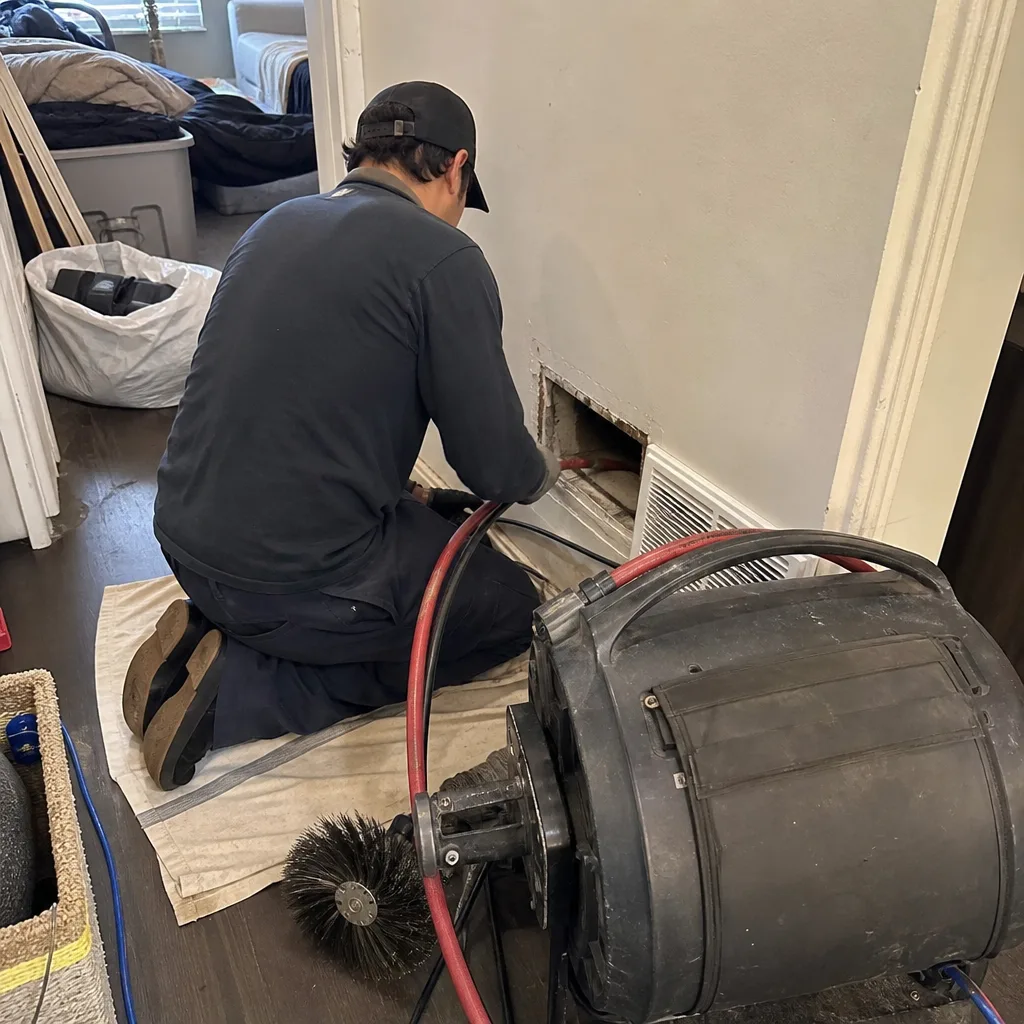
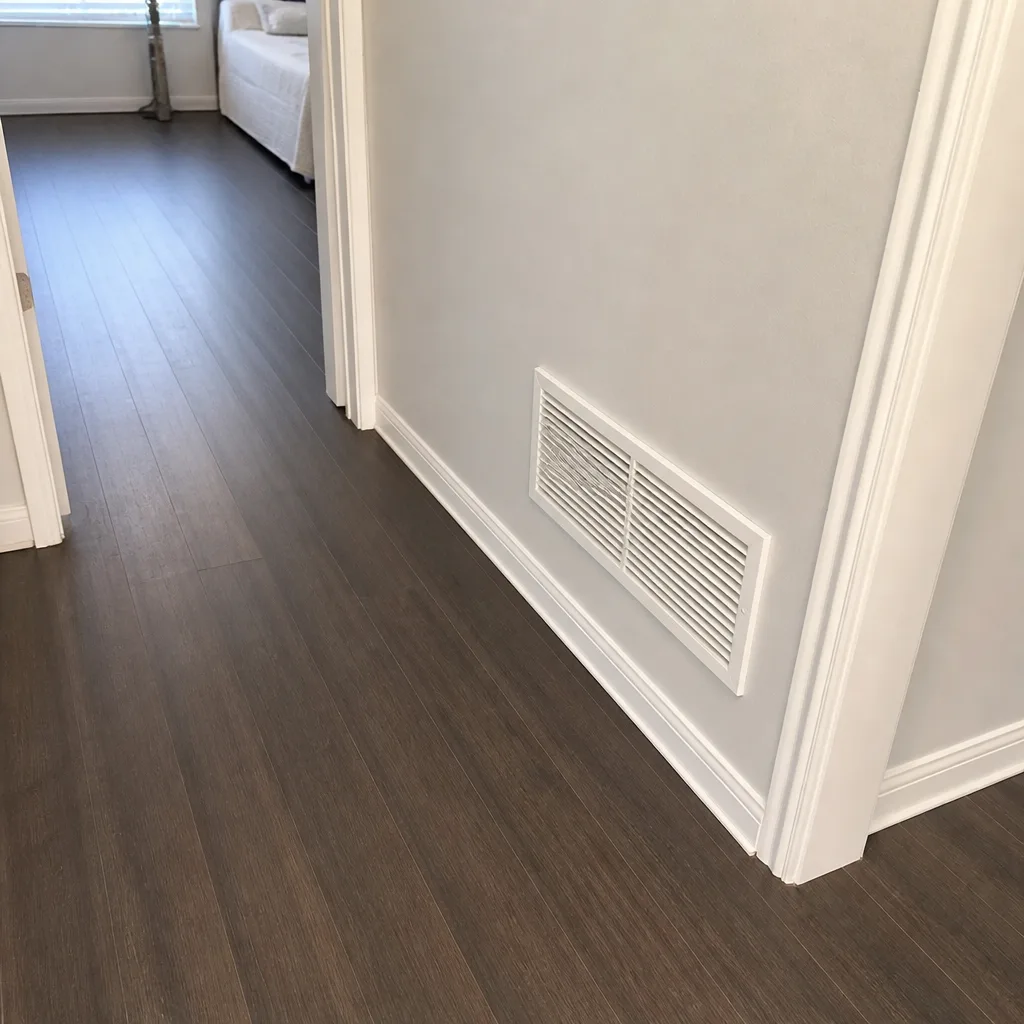
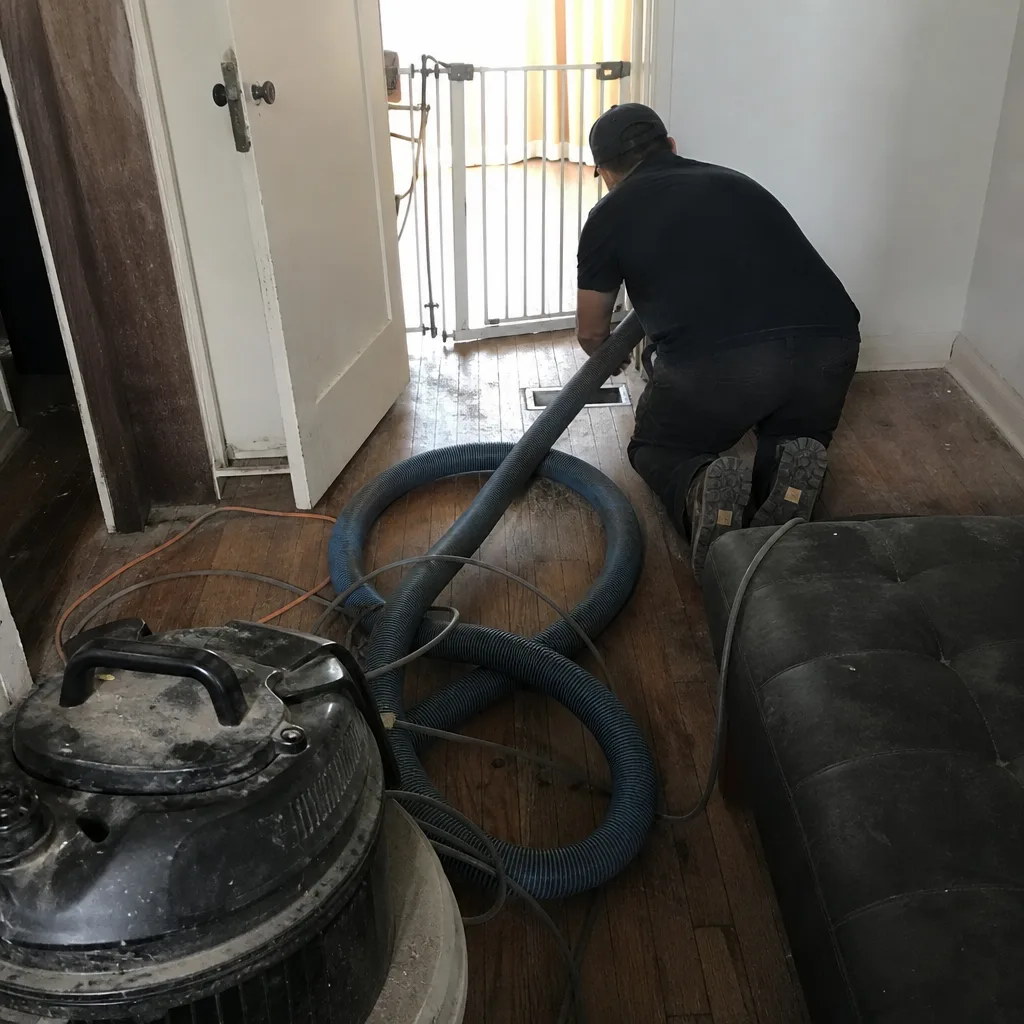
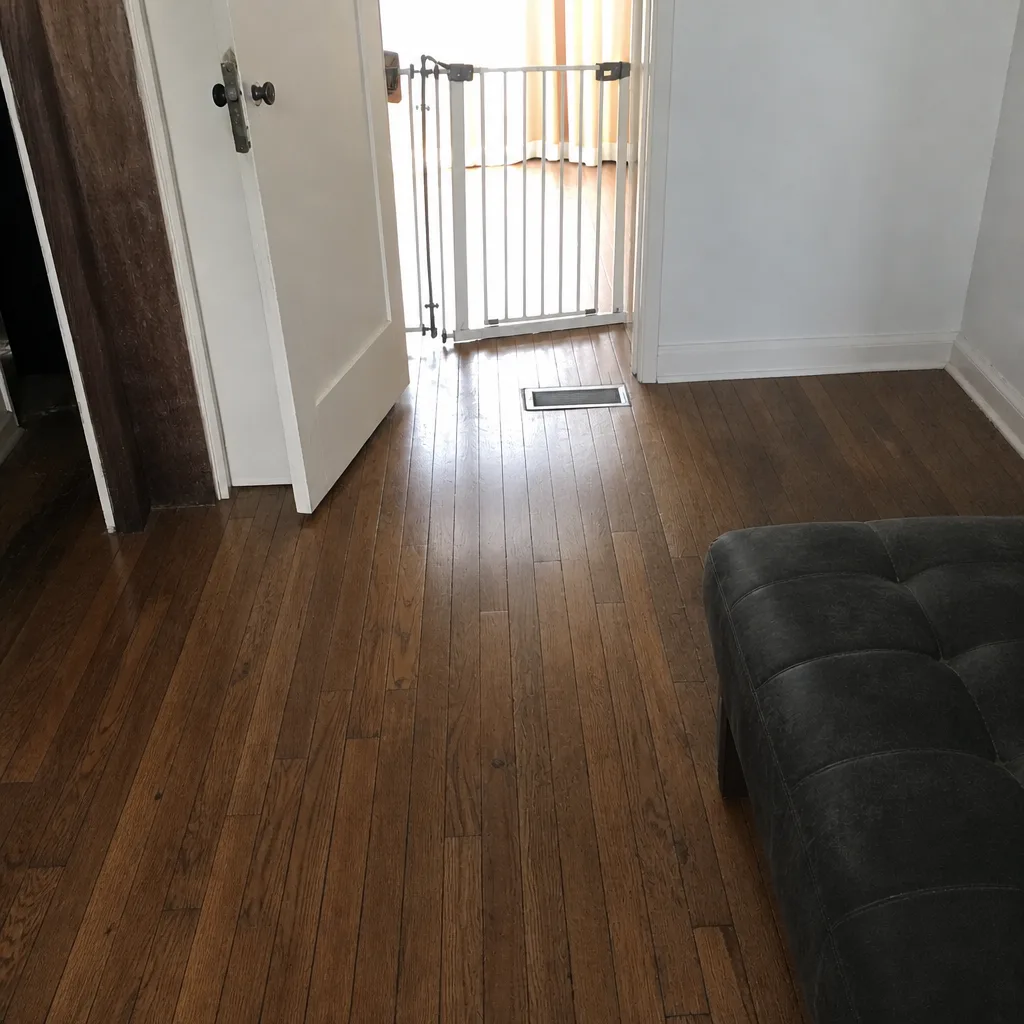
- Before-and-after photos of your own ducts. Not stock photos from a website. Interior photos of your supply and return runs, the air handler, and any component that was cleaned.
- The equipment used. The brand and type of cleaning machine, the filtration unit, and whether source-capture was used. This is the difference between real cleaning and a shop vac and a hose.
- The name of the contractor and the company. If a permit was required for any part of the work, the filing name and permit number should be on the paperwork.
- A record of any condition found. If a duct section is damaged, a liner is compromised, or moisture is present, that should be written down even if the contractor isn’t the one doing the repair.
- A statement about any products applied. If a sealant or encapsulant was used, ask for the product name, the EPA registration number and the manufacturer’s datasheet.
We hand over before-and-after photos of the customer’s own ducts as a standard part of the job. That’s not a marketing gesture. It’s the record that lets a homeowner answer a question from an insurance adjuster or a buyer’s inspector two years later.
What a Code-Compliant Cleaning Job Involves
The process itself is mechanical, and knowing what it should look like makes it easy to spot a shortcut. Real duct cleaning is two steps: dislodge the material, then remove it from the building. Anything that skips the removal step is agitation, not cleaning.
Here’s what a proper job looks like:
- Inspect the system first. Access points, duct material, the air handler, and any obvious damage. If something needs repair, that gets flagged before cleaning starts.
- Set up negative pressure and filtration. A high-capacity vacuum connected to the system and a filtration unit running in the work area. We use Nikro HVAC cleaning equipment and Abatement Technologies air-filtration units for this stage.
- Agitate the debris with rotary brushes. We use Rotobrush rotary-brush systems to break material loose from duct walls, including the caked-on deposits that a vacuum alone won’t move.
- Extract everything dislodged. The vacuum pulls the material out of the system and into the collection unit, while the filtration unit keeps the room air clean.
- Clean the components. Registers, grilles, the blower compartment, the air handler cabinet. Components that homeowners use, like Honeywell and Aprilaire air-quality systems, have their own maintenance needs and should be identified as part of the scope.
- Document and review. Photos, a written scope, and a walkthrough of anything found that needs attention.
None of that requires a permit. But an inspection on any job, particularly in older Bushwick buildings, can turn up a problem that does. That’s the juncture where the conversation shifts from cleaning to construction, and the customer needs to know which they’re paying for.
Inspections, Resale and Insurance Reviews
Inspections related to ductwork come from three directions: city inspectors responding to a complaint, a buyer’s inspector during a pre-sale walkthrough, and an adjuster reviewing a claim. Each one asks the same thing: was the work done, and can you show it?
For a DOB inspection, the question is whether any permitted work was performed and whether it was done to code. If a filing was required and wasn’t made, that’s a violation. If no permit was required because the work was cleaning, there’s nothing to inspect on that front.
For a pre-sale inspection, the buyer’s inspector will likely look at the HVAC system and may note visible duct conditions, airflow at each register, and any obvious moisture. A documented cleaning record with photos resolves a lot of questions before they become negotiation points.
For an insurance review, the concern is whether the damage or the claim relates to a maintenance failure. A dryer vent that hasn’t been cleaned is a common example. Dryer vent cleaning records date the maintenance and show the work was done.
One thing inspections never do is establish that cleaning wasn’t needed. If a building has had years of accumulated debris and the seller can’t produce a record, a buyer’s inspector will flag it, and a buyer will ask for a credit. Getting the work done and documented ahead of a sale is cheaper than negotiating from a weak position.
Common Mistakes to Avoid
- Assuming cleaning covers repairs. Contractors who quietly do minor repair work without discussing it leave you with undocumented alterations. Ask whether any part of the job involves repair, and get it in writing.
- Skipping the written scope. A verbal agreement for “a full cleaning” means nothing if a dispute arises. Every legitimate job starts with a written scope describing exactly what will be touched and what won’t.
- Treating visible mold as a cleaning problem. In a Bushwick apartment with a musty smell and visible growth on the duct surface, cleaning the surface doesn’t solve the moisture source and may trigger Local Law 55 obligations that weren’t addressed.
- Accepting a spray coating as a fix. An encapsulant sprayed over an unresolved moisture problem is a coating over a problem, not a solution. Ask for the product datasheet and a reason.
- Not photographing before and after. Which is the only way to show the work was done. A contractor who can’t provide interior photos of your own ducts shouldn’t be trusted to have cleaned them.
- Forgetting the dryer vent. Landlords in multi-family buildings often clean the air ducts and skip the shared dryer vent run, which is the actual fire hazard. Both belong on the same maintenance schedule.
- Hiring on price alone. The cheapest quote is often the one with the smallest vacuum and the shortest time on site. Ask what equipment they use and ask for the documentation up front.
See the difference
 Before
 After
 Before
 After
 Before
 After
When to Call a Professional
Not every home needs a cleaning, and the honest answer for a recently cleaned system in good condition is that it doesn’t. The right time to call is when something specific is happening. Visible debris blowing out of a register, a persistent musty odor that returns after normal cleaning of the filters, visible mold on the interior of a supply or return, or unexplained airflow problems across the apartment. For landlords, any written tenant complaint about indoor air quality is a reason to get an inspection on record. Dryer vents deserve the same attention: a run that takes much longer than before to dry a load, or a vent with lint accumulation at the exterior termination, is a reason to schedule a cleaning.
Air Duct Cleaning Bushwick offers free estimates in Bushwick. Call (844) 946-2799. We answer 24/7. Fast dispatch from 7am to 7pm, Sunday through Friday.
Frequently Asked Questions
No. Cleaning air ducts doesn’t require a permit in Bushwick or anywhere else in New York City, because cleaning removes debris without altering the building’s mechanical systems or structure. A permit is required when the work moves into duct repair, replacement, new duct installation, or HVAC modification, and that’s the point to check with the NYC Department of Buildings. Call (844) 946-2799 for a free estimate.
It can. Local Law 55 addresses indoor allergen hazards in residential buildings, including mold, and places obligations on building owners to investigate and respond to complaints. Visible mold growth on duct surfaces means a moisture problem that needs to be sourced and corrected, not just cleaned off, and the remediation work may need licensed professionals. Cleaning and HVAC cleaning remove accumulated material, but they are not mold remediation. Call (844) 946-2799 with questions about what a cleaning can and can’t address.
Cleaning is maintenance: brush agitation and extraction remove material from a system that stays as it was built. Duct work is construction: replacing a section, adding a register, resizing a trunk, or connecting new equipment. The second category generally falls under NYC Department of Buildings requirements, and a licensed contractor should file for the permit. Call (844) 946-2799 if you’re unsure which category your job falls into.
Yes. An EPA-registered sealant or encapsulant is regulated under federal pesticide law, which means the manufacturer’s label specifies the surfaces it can be applied to, the conditions of application, and the ventilation and drying requirements. Applying it outside the label is a violation. Cleaning, by contrast, is a mechanical service with no registered product involved. If a contractor proposes a spray-applied product, ask for the product datasheet and the EPA registration number. Call (844) 946-2799 to discuss a cleaning-only scope.
At minimum: a written scope of work, before-and-after photos of your own ducts, the equipment used, the name of the contractor and company, a record of any conditions found, and the product datasheet for any sealant or encapsulant applied. That paperwork is what answers questions from a buyer’s inspector or an insurance adjuster later. Call (844) 946-2799 for a free estimate.
Owners have an obligation under the NYC Housing Maintenance Code to maintain their buildings in a habitable condition, and that includes ventilation systems that work as intended. In practice, that means responding to written tenant complaints about airflow or indoor air quality with an inspection and, where warranted, a cleaning, and keeping a record of it. Shared dryer vent runs belong on the same maintenance schedule. Call (844) 946-2799 to book an inspection and estimate.
The Bottom Line
Cleaning your ducts in Bushwick doesn’t require a permit. Repairing, replacing or modifying them almost always does. The line between the two is where the liability lives, and knowing where it sits lets you ask the right question before a technician starts work. Mold changes the conversation under Local Law 55, spray-applied sealants carry their own federal regulation, and landlords in multi-family buildings have documented obligations to their tenants. None of this is complicated once it’s laid out, but all of it needs a paper trail. Get the scope in writing, get before-and-after photos of your own ducts, and get the equipment names on the record. That’s what makes the job stand up to an inspection, a resale or a claim.
Call (844) 946-2799 for a free estimate. We answer 24/7. Fast dispatch from 7am to 7pm, Sunday through Friday. One flat price per system, agreed before work starts, with before-and-after photos of your own ducts.
Written by the team at Air Duct Cleaning Bushwick.