
Last updated November 20, 2026
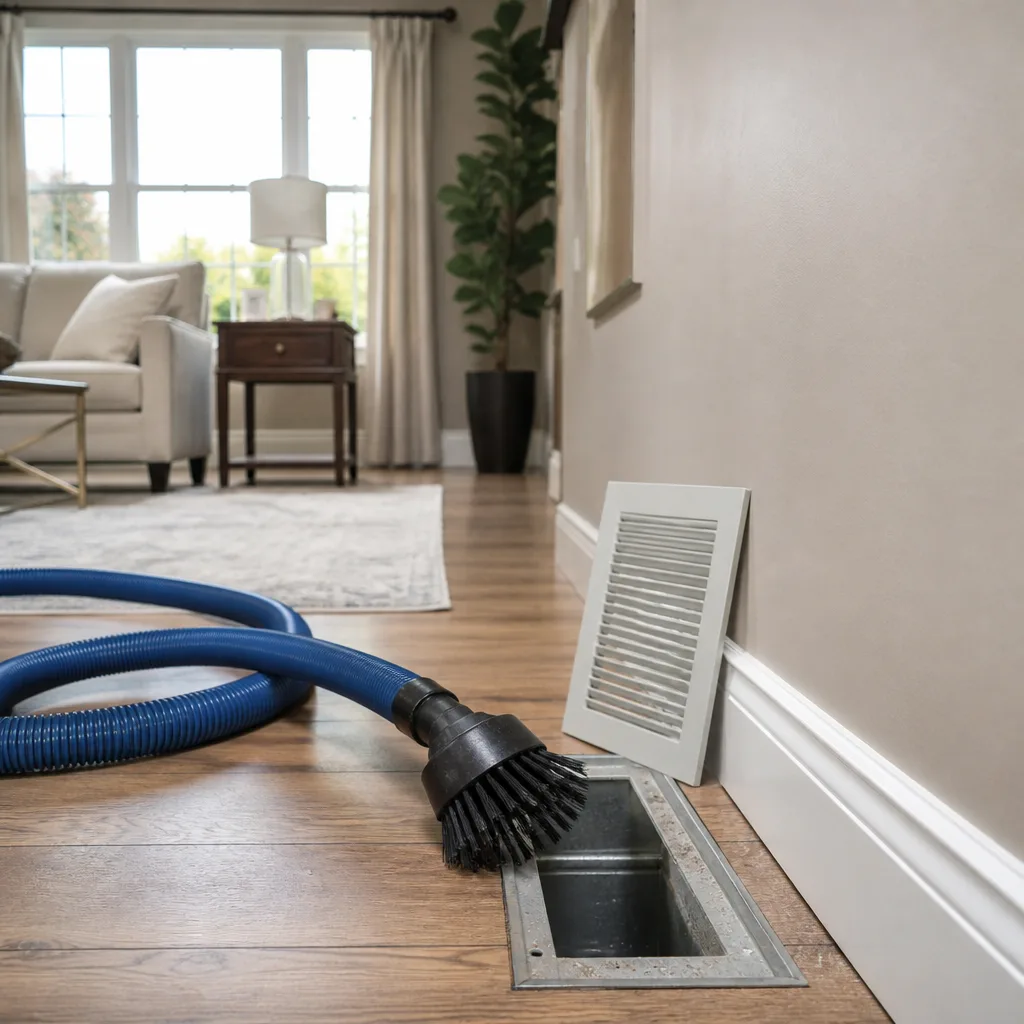 Whole-home duct cleaning
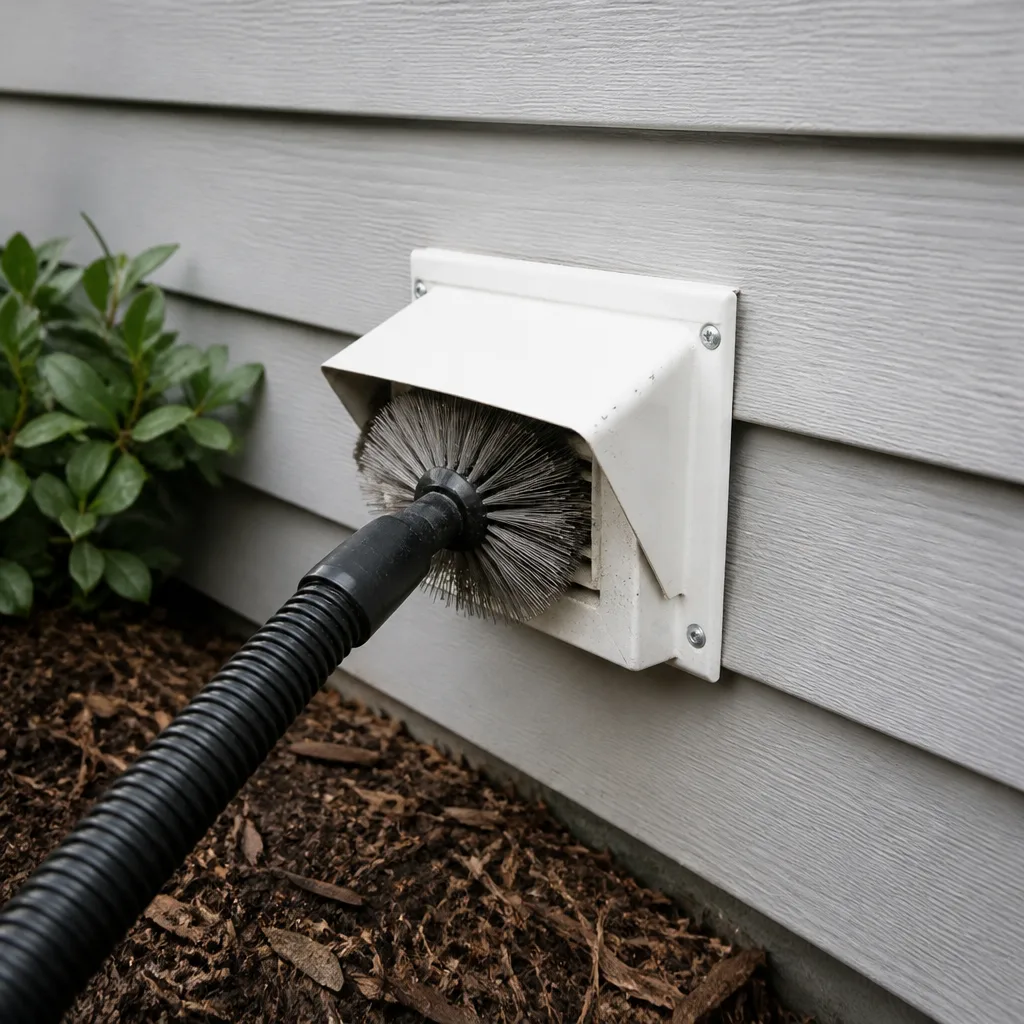 Dryer vent cleaning
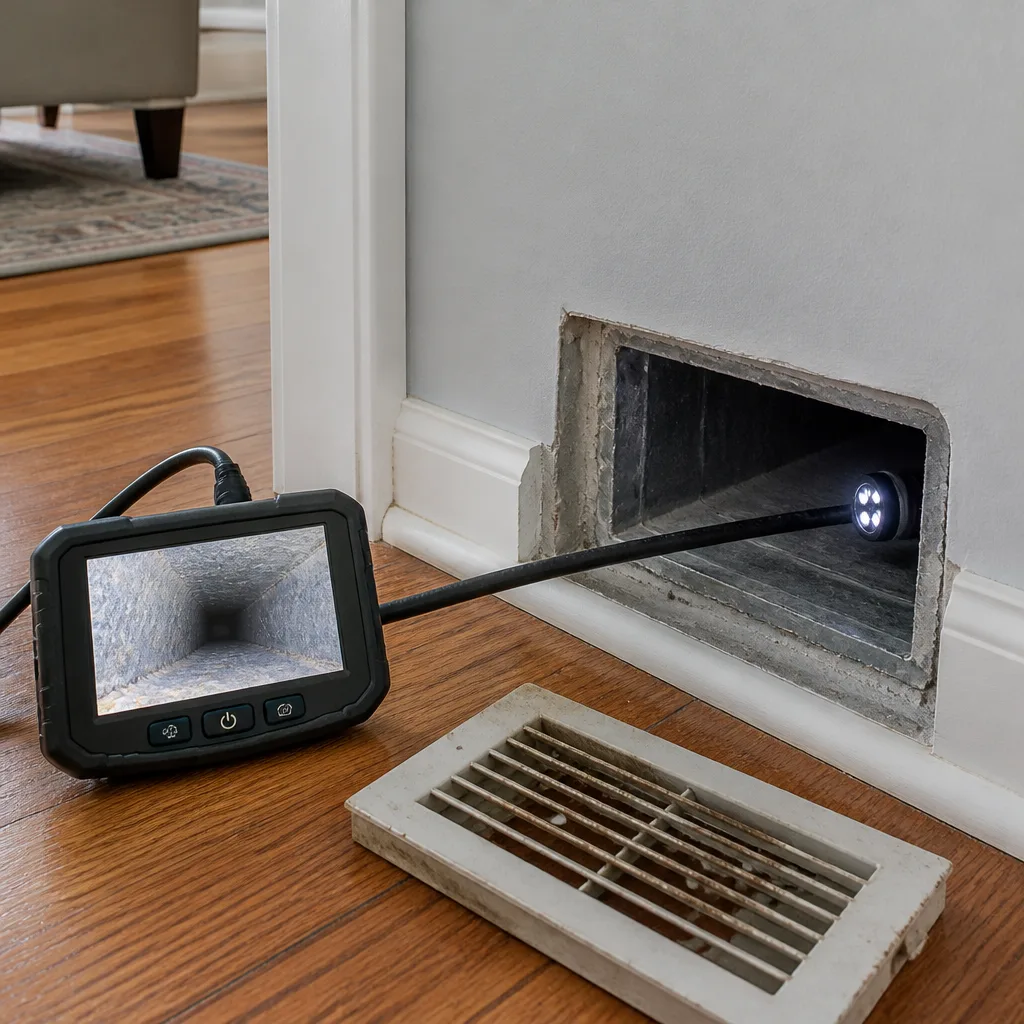 Camera inspection
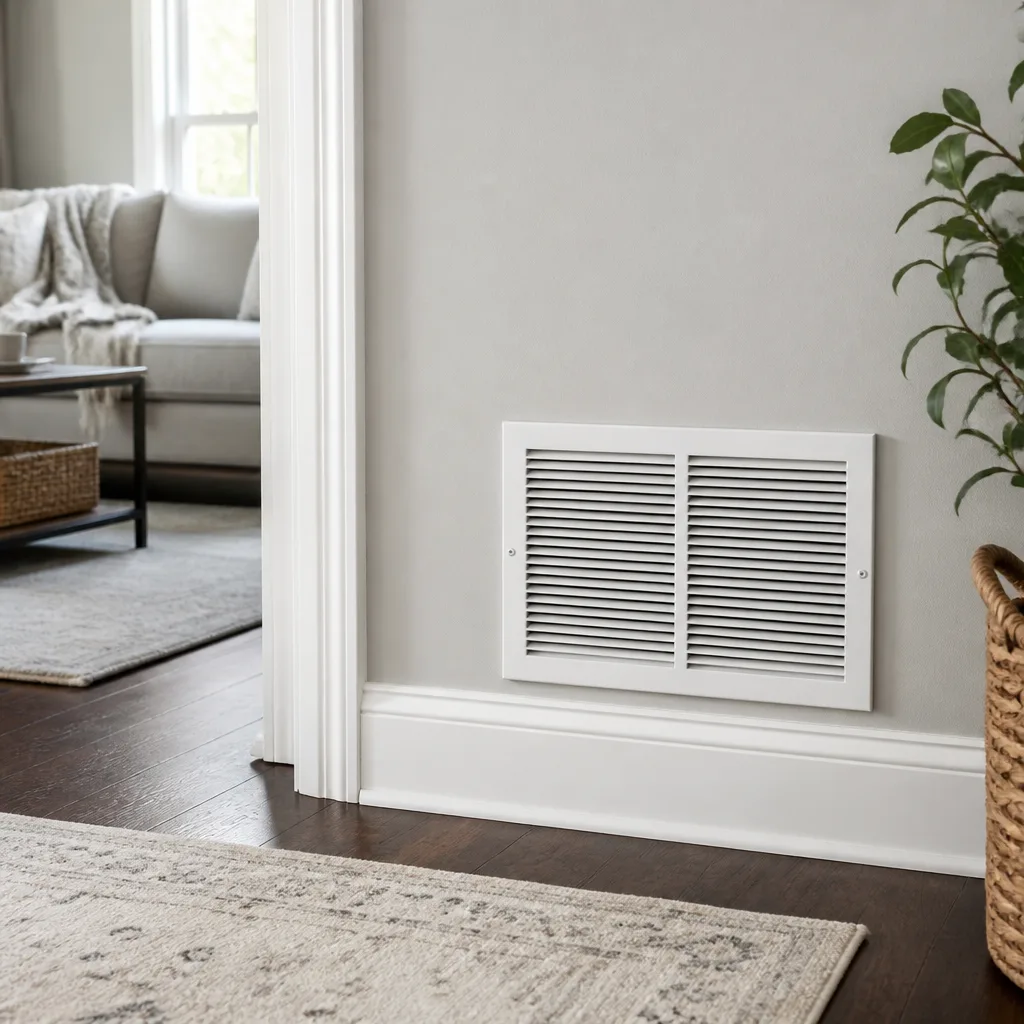 Sanitizing & deodorizing
Whole-system duct and dryer vent check with before-and-after photos - you see exactly what came out of your vents
That "$99 whole-house special" is a bait ad - the real number appears once they are in your hallway, or the "clean" is a shop-vac at the register. We photograph the inside of your ducts before and after instead.
The Complete Guide to Air Duct Cleaning in Bushwick
Most air duct guides are written for suburban ranch houses with simple trunk-and-branch layouts and a tidy utility closet where everything is labeled. Bushwick buildings rarely cooperate. The neighborhood is a dense mix of pre-war rowhouses, converted warehouses, and multi-family walk-ups that have been renovated in layers over decades, and many have no accessible duct diagrams at all. That changes the cleaning process from the first minute: which method is used, which tools can physically reach the runs, and how much time the job takes all depend on the building, not the coupon. This guide maps what a real professional-grade clean involves in Bushwick buildings and how to tell one apart from a quick vacuum pass.
Quick Answer
Air duct cleaning in Bushwick is a mechanical two-step process: dislodge contaminants with a rotary brush system, then extract them with a HEPA-filtered negative air machine so nothing recirculates into the apartment. In pre-war rowhouses and converted multi-families here, the job starts with system mapping, not scrubbing, because duct layouts are often undocumented and mixed materials are common. Professional-grade equipment and post-clean camera verification are the two things that separate real work from a cheap visit.
Styles & brands we work with
- Whole-home duct cleaning
- Dryer vent cleaning
- Camera inspection
- Sanitizing & deodorizing
Table of Contents
- How Bushwick Building Types Change the Cleaning Method
- What Happens Before a Single Register Is Touched
- The Equipment a Real Duct Clean Requires
- Galvanized, Flex, and Fiberglass-Lined: Why Each Needs a Different Approach
- The Cleaning Process, Step by Step
- Post-Clean Verification: Camera Scope, Not a Handshake
- How Much Does Air Duct Cleaning Cost in Bushwick?
- How Often Do Bushwick Ducts Actually Need Cleaning?
How Bushwick Building Types Change the Cleaning Method
The single biggest variable in any duct clean isn’t dirt. It’s access. In Bushwick, three building types come up again and again, and each one forces a different plan of attack before the equipment is even unloaded.
Pre-war rowhouses. These buildings were laid out before central air was standard, so ducts were often retrofitted into existing walls and joist bays in ways that leave tight clearances and odd turns. A run that looks straight on paper can pinch to a few inches in the middle. Rotary brush systems with flexible shafts handle this well, but the technician has to know where the pinch points are first. Otherwise the brush jams and the job stalls.
Converted warehouses and lofts. Old industrial buildings have generous ceiling heights and exposed ductwork in many cases, which sounds easy. It usually isn’t. Long straight runs with big plenum boxes collect debris in different places than residential branch systems, and earlier conversions sometimes spliced residential duct into commercial-scale trunks. Mapping the system and checking static pressure tell you what you’re actually dealing with.
Multi-family walk-ups and converted tenements. This is the trickiest category and it’s everywhere in Bushwick. Ducts may serve multiple units from a shared trunk, and individual runs may have been added or capped off during renovations without any record. Before touching a register, you need to know which unit feeds which duct and where the returns pull from. Cleaning the wrong run wastes the visit and leaves tenants breathing the same air.
None of this is a reason to skip cleaning. It’s the reason equipment-first, mapping-driven work matters here more than in a newer suburb.
What Happens Before a Single Register Is Touched
A professional crew spends real time on assessment before any brush goes in. This is the part underbid competitors skip, and it’s why their work doesn’t hold up. Three checks come first:
- System mapping. Registers are opened, returns are traced, and the trunk-and-branch layout is confirmed on-site. In Bushwick multi-families, this often reveals capped runs and unlabeled drops that a generic crew would never account for.
- Static pressure check. Measuring pressure across the system shows whether airflow is restricted by debris buildup, crushed flex duct, or an undersized return. If pressure is way off, cleaning alone won’t fix comfort complaints, and the homeowner should know that before paying.
- Contamination assessment. A camera scope into the supply and return, plus a look at the blower compartment and coil area. This tells you what kind of contamination you’re facing: ordinary dust and construction debris, lint and hair, or heavier buildup that calls for more aggressive agitation.
These steps take time, and they should. A crew that arrives and immediately starts running a shop vac into registers has skipped the work that determines whether the clean will actually do anything. In our experience, the assessment is where Bushwick jobs diverge most from the generic playbook, because the buildings reward that kind of attention with real answers.
The Equipment a Real Duct Clean Requires
Here’s the difference that matters most, and it’s visible from the doorway. Professional duct cleaning is a two-part mechanical operation: dislodge the contamination, then capture and remove it. The equipment doing those two jobs is what separates a professional clean from a cosmetic one.
Rotary brush agitation. We run Rotobrush rotary-brush systems, which are contractor-grade tools designed to scrub the full circumference of a duct run with flexible shafts that reach through tight turns. Consumer vacuums and cheap wands can’t generate the contact pressure needed to break debris loose from duct walls.
Dedicated HVAC extraction. For extraction, we use Nikro equipment, an industry-standard line trusted by commercial and industrial contractors. This is where the pulled-loose dust actually leaves the system. Agitation without serious extraction just redistributes the problem.
Remediation-grade filtration. We deploy Abatement Technologies air-filtration units during cleaning. These capture dislodged contaminants at the source instead of letting them recirculate into the apartment. That standard comes from remediation work, and it’s the reason our crews can work in occupied units without turning the place into a dust cloud.
If you’re comparing quotes, ask what machines will actually show up. “We use a truck-mounted vacuum” is a different answer than “we use Rotary brush plus HEPA negative air.” Those two are not the same job, and in Bushwick’s older buildings the difference shows.
Familiarity with the systems already in the building matters too. We work with Honeywell and Aprilaire air-quality and HVAC components commonly installed in residential properties, so we understand the equipment around the ducts, not just the ducts themselves. For a full picture of how these three service lines fit together, see Air Duct Cleaning Bushwick.
Galvanized, Flex, and Fiberglass-Lined: Why Each Needs a Different Approach
Bushwick buildings mix duct materials more than most neighborhoods, partly because of piecemeal renovation history. Each material has different tolerances, and using the wrong agitation method can damage a system while pretending to clean it.
- Galvanized steel. The most forgiving and the most responsive to rotary brush cleaning. Debris bonds to the metal surface over time, and brush contact breaks it loose efficiently. Most pre-war and mid-century runs in the neighborhood are this material.
- Flexible duct. Common in retrofits and newer additions. Flex duct has a corrugated interior that traps dust in the ridges, and its plastic liner damages easily under aggressive brushing. The right tool is a softer brush and gentler agitation with proper pressure. Over-aggressive brushing here can shred the liner and create a bigger problem than the dust.
- Fiberglass-lined duct. Often found in commercial conversions and some older residential installations. The interior surface is fragile. Standard rotary brushes can abrade the lining, so the method has to be adjusted: lower-speed agitation, more reliance on extraction. This is where a crew that only knows one method causes damage.
The practical takeaway: before you book, ask whether the technician will identify duct material before selecting the tool. A yes means they understand the job. A blank look means they don’t.
The Cleaning Process, Step by Step
Here’s what a professional-grade clean of a Bushwick system actually involves, in order. This is the sequence we follow on both residential and commercial properties, and it’s the order that keeps contaminants contained rather than airborne.
- Set up containment. Negative air machines and HEPA filtration go in before anything is disturbed, so dislodged dust gets pulled into filtration instead of into the living space.
- Map and test. Registers opened, layout confirmed, static pressure measured, contamination assessed with a camera scope.
- Open access points. Access holes are cut where needed to reach every run, including the ones behind finished walls in converted spaces.
- Agitate each run. Rotary brush systems work supply and return runs from the trunk outward, with tool selection matched to duct material.
- Extract. Dedicated extraction equipment pulls loosened debris from the system while filtration keeps it contained.
- Clean the components. Blower, coil area, and accessible HVAC components are cleaned as part of any HVAC cleaning visit. Dust in the air handler defeats the purpose of clean ducts.
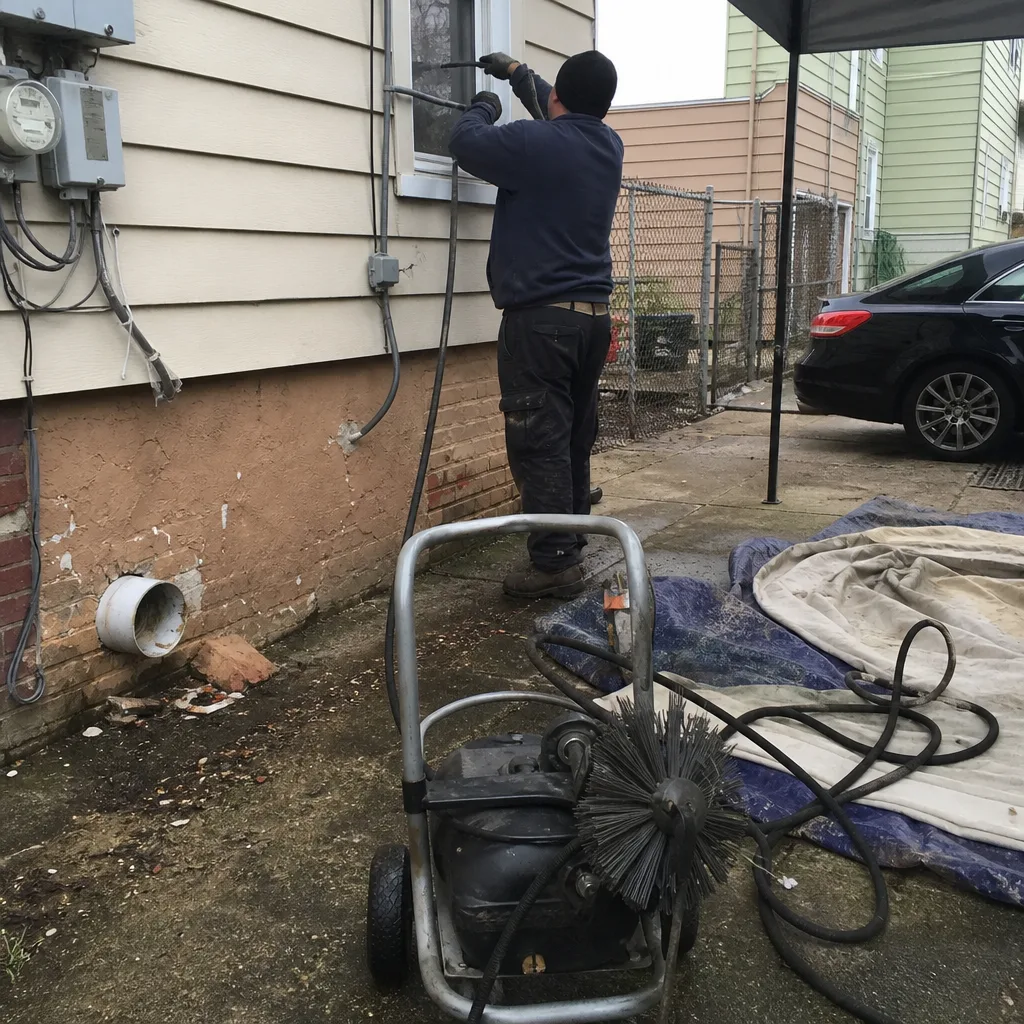
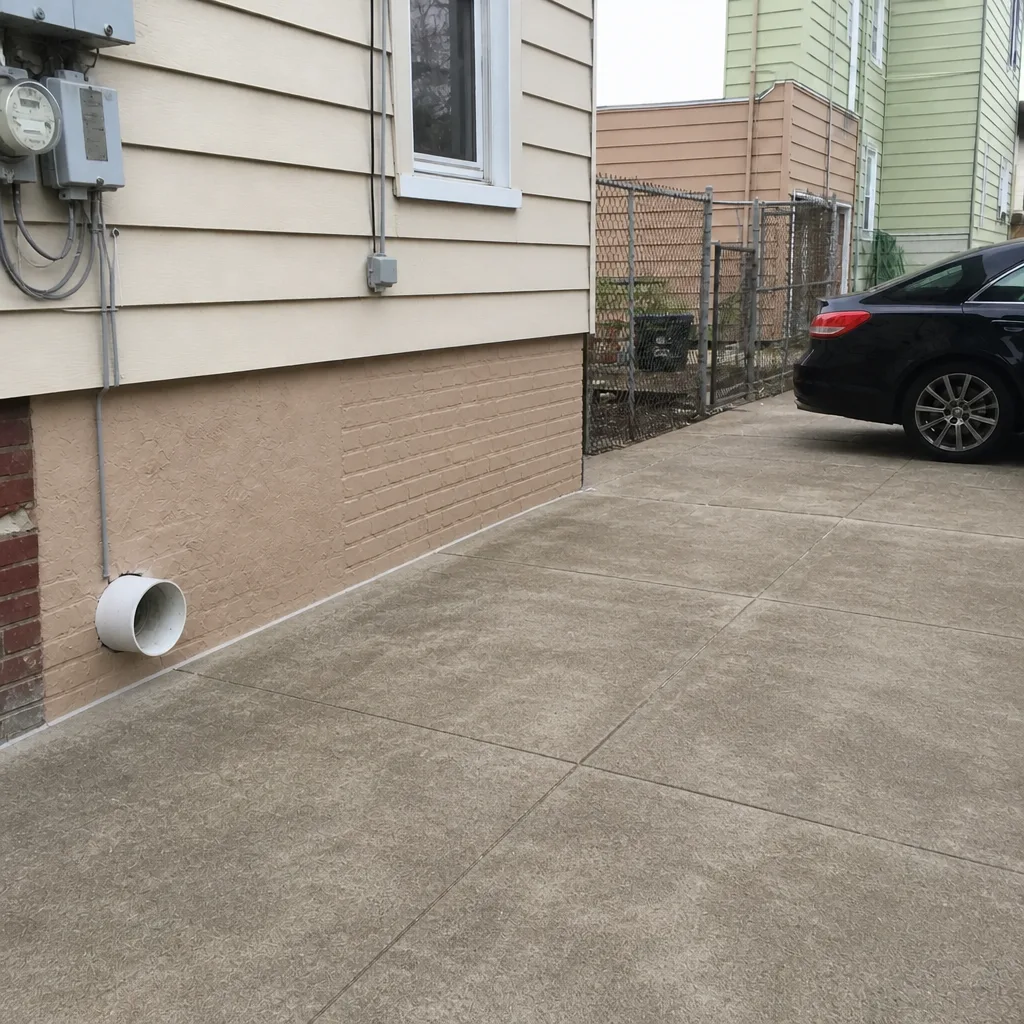
- Verify and document. Camera scope inspection of the cleaned runs, with before-and-after photos of your own ducts. You see the result, not just hear about it.
A full air-system clean is the goal, so it’s worth handling air duct cleaning and the dryer vent together where it makes sense. The same team covers the whole chain, which matters in older buildings where one vendor handling everything avoids finger-pointing later.
Post-Clean Verification: Camera Scope, Not a Handshake
How do you know the work was actually done? The answer should be visual. A professional crew scopes the cleaned runs with a camera and shows you the footage, and it provides before-and-after photos of your own ducts. Not stock images of someone else’s system. Yours.
This is the single most reliable check available to a homeowner or property manager, and it’s easy to ask for. If a crew can’t produce it, you’ve learned something useful. In Bushwick’s multi-family walk-ups, where ducts disappear behind decades of renovation, the camera scope also verifies that the runs you paid for are the runs that got cleaned, not just the easy-to-reach ones.
Three verification questions worth asking on the call:
- Will you scope the runs after cleaning and show me the footage?
- Will you take before-and-after photos of my actual system?
- Is the price one flat price per system, agreed before work starts?
That last one matters because this industry has a bait-and-switch reputation. A low advertised number that becomes a much larger invoice once the technician is on-site is a pattern, not an accident. The clean answer is a single flat price per system, agreed up front, with no per-vent pricing added on. For a full picture of what those ranges look like, read on.
How Much Does Air Duct Cleaning Cost in Bushwick?
Air duct cleaning in Bushwick is quoted per system, not per vent, and the written estimate is what sets the final price. Whole-system cleaning is typically driven by the number of runs, the building type, and accessibility. Converted lofts and multi-family walk-ups with hard-to-reach runs sit higher than a straightforward rowhouse. Because the work here so often involves mixed duct materials and undocumented layouts, the assessment visit is what turns a rough range into an actual estimate.
What a typical quote should cover, and what to watch for:
- Supply and return runs, cleaned as a system
- Access hole cutting and proper sealing afterward
- Blower and coil-area cleaning as part of the HVAC component
- Camera-scope verification and your own before-and-after photos
- One flat price per system, agreed in writing before work begins
Why are some quotes so much cheaper? Usually because they aren’t doing the same job. A very low number often means a consumer-grade vacuum into a few easy registers with no containment, no brush agitation, no extraction, and no verification. That work can actually make air quality worse by stirring dust without capturing it. The honest comparison isn’t the number on the coupon. It’s what equipment shows up and whether you get proof of the result.
For a property manager coordinating multiple units, the per-system structure is a real advantage. You get one price per system instead of a meter running on every vent. Call (844) 946-2799 for a free estimate. We answer 24/7. Fast dispatch from 7am to 7pm, Sunday through Friday.
How Often Do Bushwick Ducts Actually Need Cleaning?
Most Bushwick homes don’t need duct cleaning on a fixed timer. They need it when the building or the system gives a reason. That’s a more useful answer than “every three years,” and it fits the housing stock better.
Reasons to schedule a clean in this neighborhood:
- After a renovation. Bushwick’s constant building and renovation activity sends construction dust into the ducts, and it needs to come out before it settles permanently or gets recirculated. This is probably the most common reason we hear.
- A conversion or unit change. When a building’s use changes or units are reconfigured, the duct layout often changes with it. A clean plus a fresh map prevents surprises down the line.
- Visible dust at registers. If dust is blowing out or collecting heavily at the grilles, that’s a sign the system is carrying it, not just recirculating it.
- Recent dryer vent concern. Lint buildup in a shared or hidden dryer vent is a fire risk. That’s a separate service from duct cleaning, but it’s a good moment to check the whole air and vent system at once. See dryer vent cleaning for the fire-safety side of this.
- Multi-family turnover. When tenants change and a unit hasn’t been cleaned in years, cleaning before new occupants move in is cheaper than cleaning after a complaint.
For a single well-maintained rowhouse with no renovation activity, the interval is genuinely long. For a multi-family walk-up with ongoing building work and shared ducts, it’s shorter. The building sets the schedule.
Common Mistakes to Avoid
- Booking the lowest quote without asking what equipment shows up. A coupon price often means a shop vac into a few registers. Ask specifically about rotary brush systems and HEPA extraction before you commit.
- Letting a crew skip system mapping. In Bushwick’s converted buildings, an unmapped clean can hit the wrong runs entirely. If they don’t trace the layout first, the job isn’t done right.
- Accepting a per-vent price. Per-vent pricing invites add-ons and surprises. Ask for one flat price per system, agreed before any work starts.
- Skipping the pre-clean assessment. Without a static pressure check and camera scope, you don’t know if debris or a crushed flex run is restricting airflow. You could pay for cleaning and still have the same comfort complaint.
- Treating all duct materials the same. Aggressive brushing on flex or fiberglass-lined duct can damage the lining. Make sure the tool is matched to the material.
- Not asking for verification. A clean with no camera scope and no photos of your own system is a claim, not a result. Ask for the footage.
- Cleaning ducts but ignoring the dryer vent. Lint in a blocked dryer vent is a fire hazard. If you’re already booking a qualified team, have both checked in one visit.
See the difference
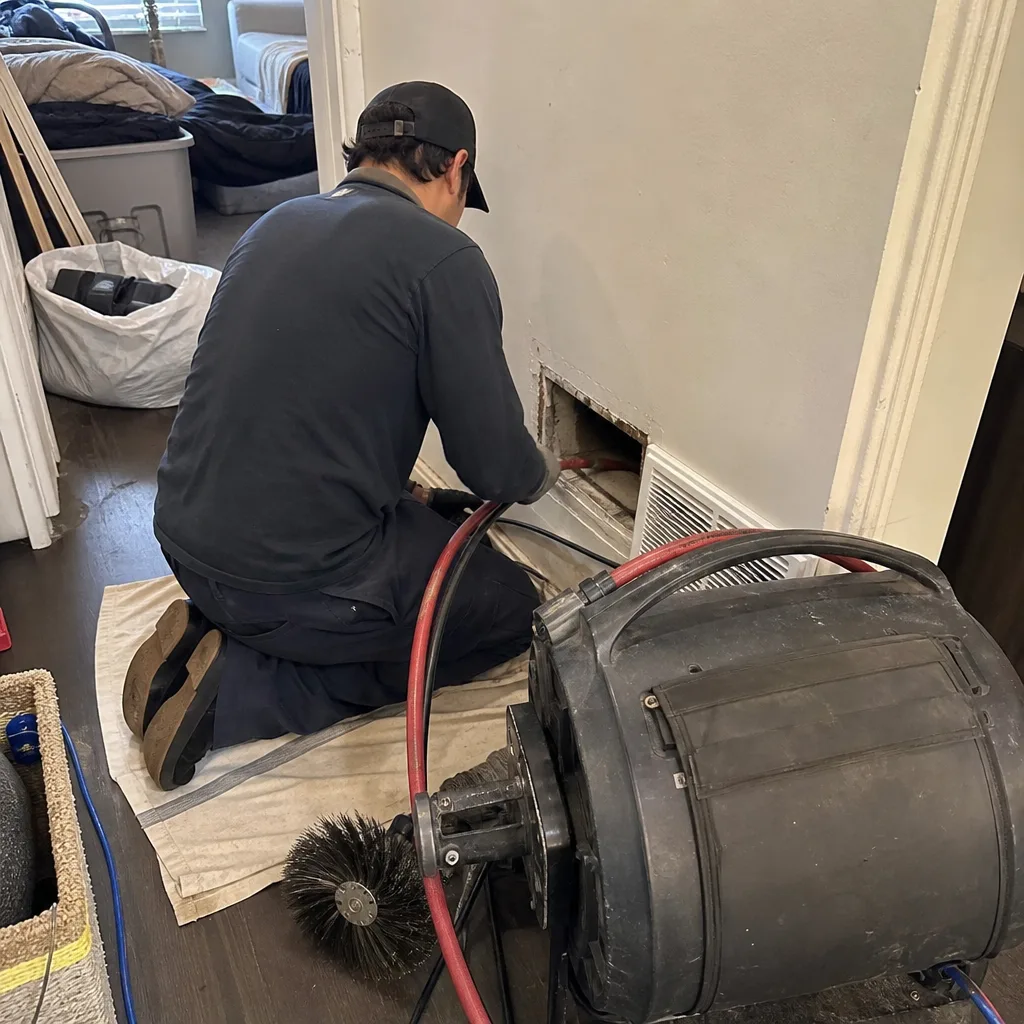 Before
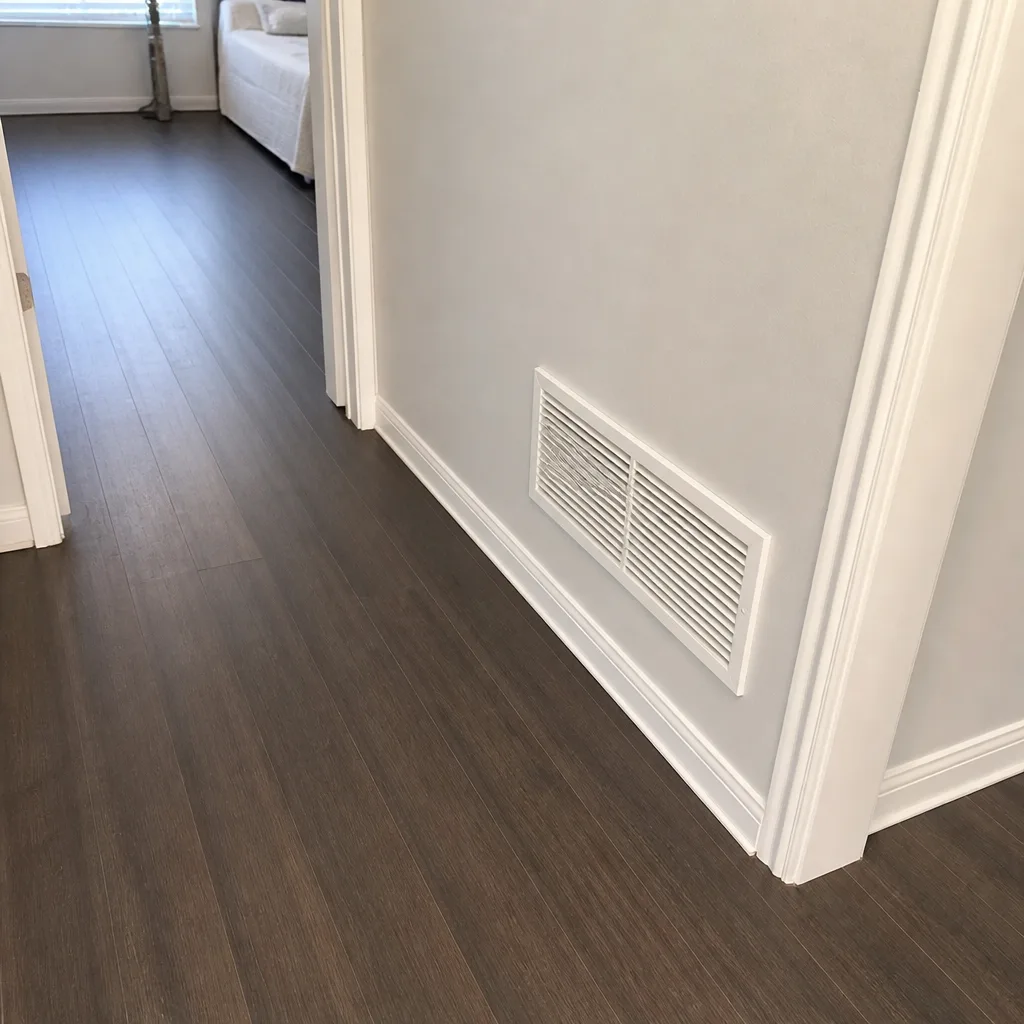 After
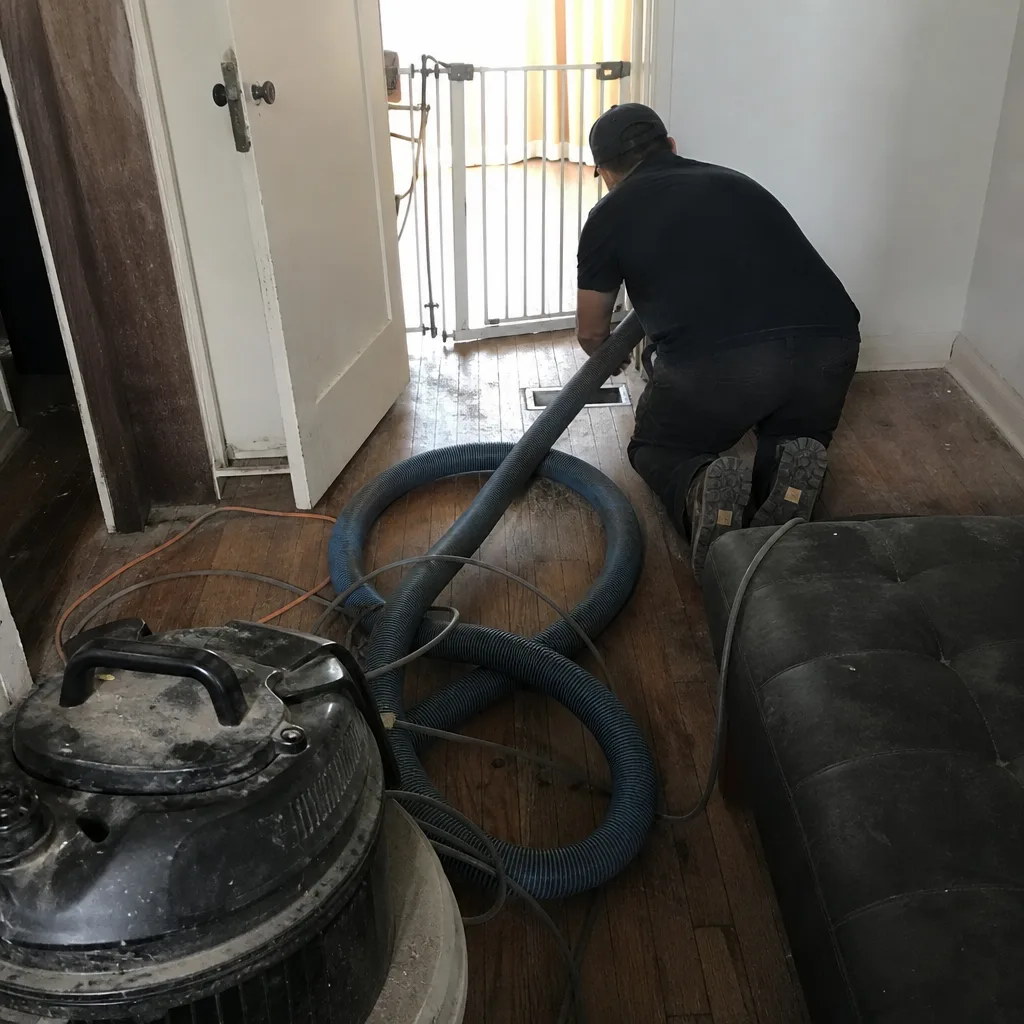 Before
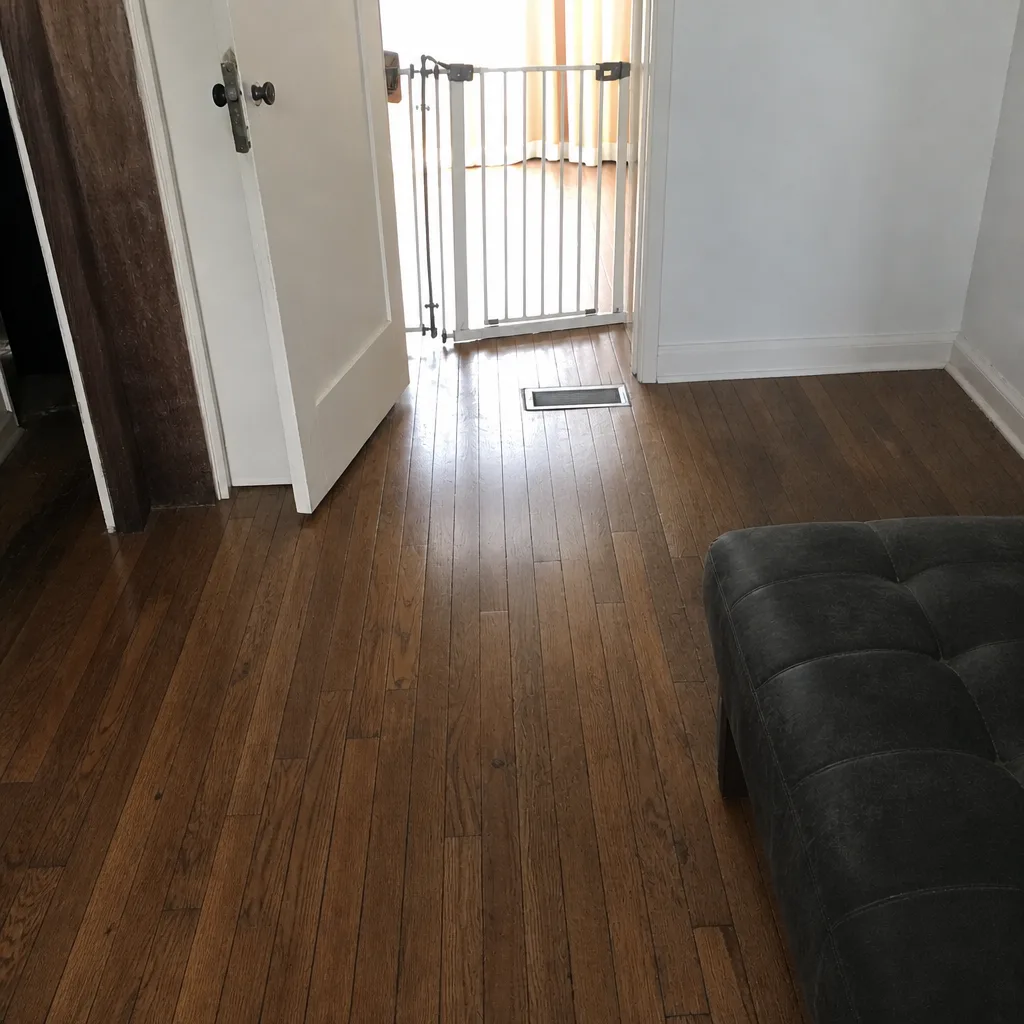 After
 Before
 After
When to Call a Professional
Call a professional when you see visible dust blowing from registers, when a renovation has just wrapped, or when a building has changed use or units. For property managers, call before a turnover cycle rather than after a tenant complaint. Call if you smell stale or musty air from the vents, or if static pressure complaints suggest restricted airflow. And call if it’s been years since the system was cleaned in a multi-family or converted building, since those layouts are the hardest to assess without a camera scope. Dryer vent concerns warrant a call on their own, because lint buildup is a fire risk, not just a cleaning chore. Air Duct Cleaning Bushwick offers free estimates in Bushwick: call (844) 946-2799. We answer 24/7. Fast dispatch from 7am to 7pm, Sunday through Friday. The local pro is licensed and insured as the state requires, and every job ends with before-and-after photos of your own system.
Frequently Asked Questions
It’s quoted per system, not per vent, and the written estimate sets the final price. Whole-system ranges depend on the number of runs, the building type, and how accessible the ducts are, with converted lofts and multi-family walk-ups sitting higher than straightforward rowhouses. Call (844) 946-2799 for an exact quote. Estimates are free.
You ask for camera-scope footage of the cleaned runs and before-and-after photos of your own ducts. That’s the direct answer, and it’s a reasonable request of any crew. If a company can’t show you the result, don’t rely on their word. Call (844) 946-2799 and we’ll walk you through exactly what you’ll receive.
Because they’re usually describing a different job. Low quotes often mean a consumer vacuum into easy registers with no brush agitation, no containment filtration, and no verification. Professional work dislodges debris with rotary brushes and captures it with HEPA extraction, and that equipment costs real money to run. The number on the coupon isn’t the number on the invoice. Call (844) 946-2799 for a flat estimate per system.
There’s no fixed interval that fits every building here. Schedule a clean after a renovation, after a conversion or unit change, when you see dust blowing from registers, or before a multi-family turnover. A well-maintained rowhouse with no building work can go much longer than a busy walk-up with shared ducts. Call (844) 946-2799 and we’ll help you decide.
Yes. Converted warehouses and multi-family walk-ups are common in Bushwick, and they’re the buildings where mapping and material identification matter most. We identify duct material before selecting the tool and confirm the layout on-site before cleaning. Call (844) 946-2799 to schedule a free estimate.
We handle the full air-system chain: supply and return ducts, dryer vents, and HVAC components. Dust in the air handler and coil area defeats the purpose of clean ducts, so those get cleaned as part of the same visit. Call (844) 946-2799 to book all three in one estimate.
The Bottom Line
Air duct cleaning in Bushwick isn’t a generic service dropped onto an unusual neighborhood. The buildings here set the rules: pre-war rowhouses, converted warehouses, and multi-family walk-ups force mapping and material assessment before any brush turns. The equipment has to match the job, from rotary brush agitation to HEPA extraction to remediation-grade filtration. Verification has to be visual, with a camera scope and photos of your own system. And the price should be one flat number per system, agreed before work starts. Get those four things right and you’ll get work that actually improves the air in the building.
Ready to schedule? Call (844) 946-2799 for a free estimate. We answer 24/7. Fast dispatch from 7am to 7pm, Sunday through Friday.
Written by the team at Air Duct Cleaning Bushwick.