
Last updated November 20, 2026
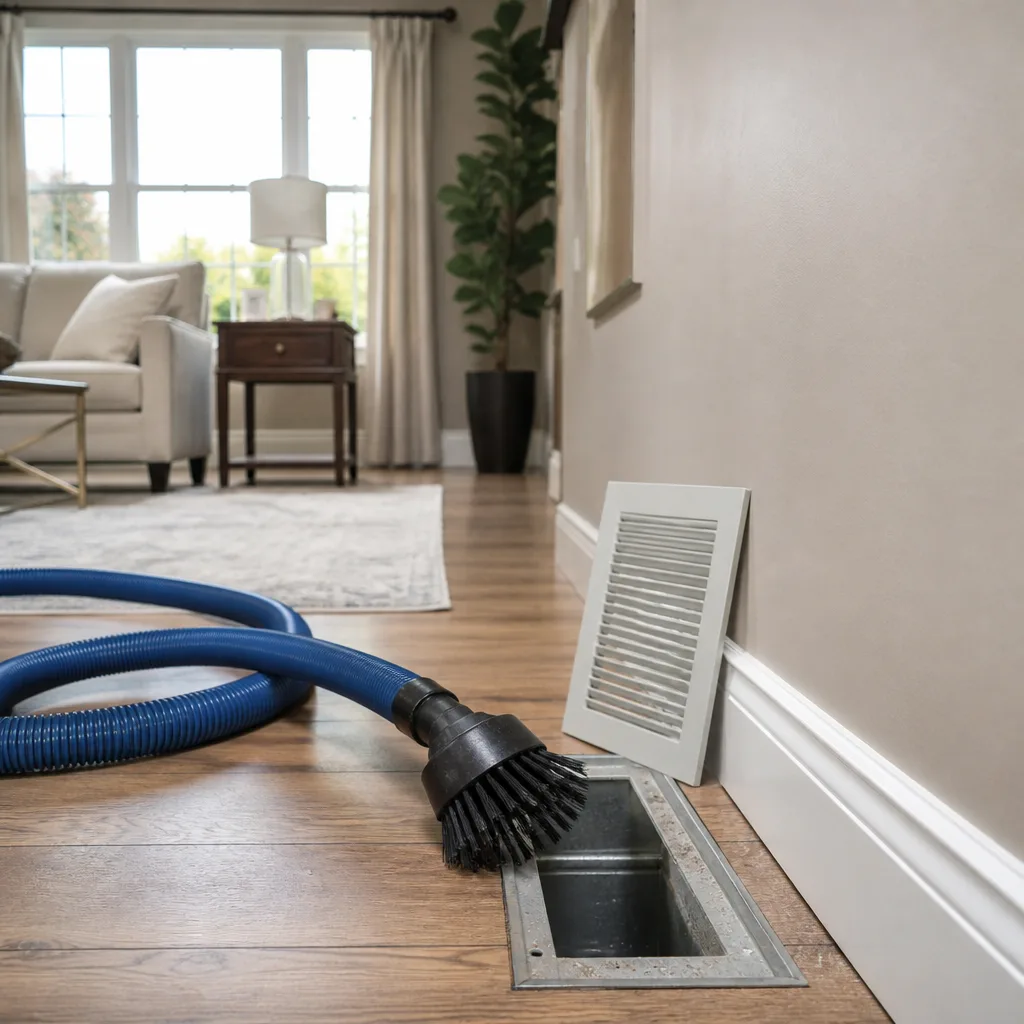 Whole-home duct cleaning
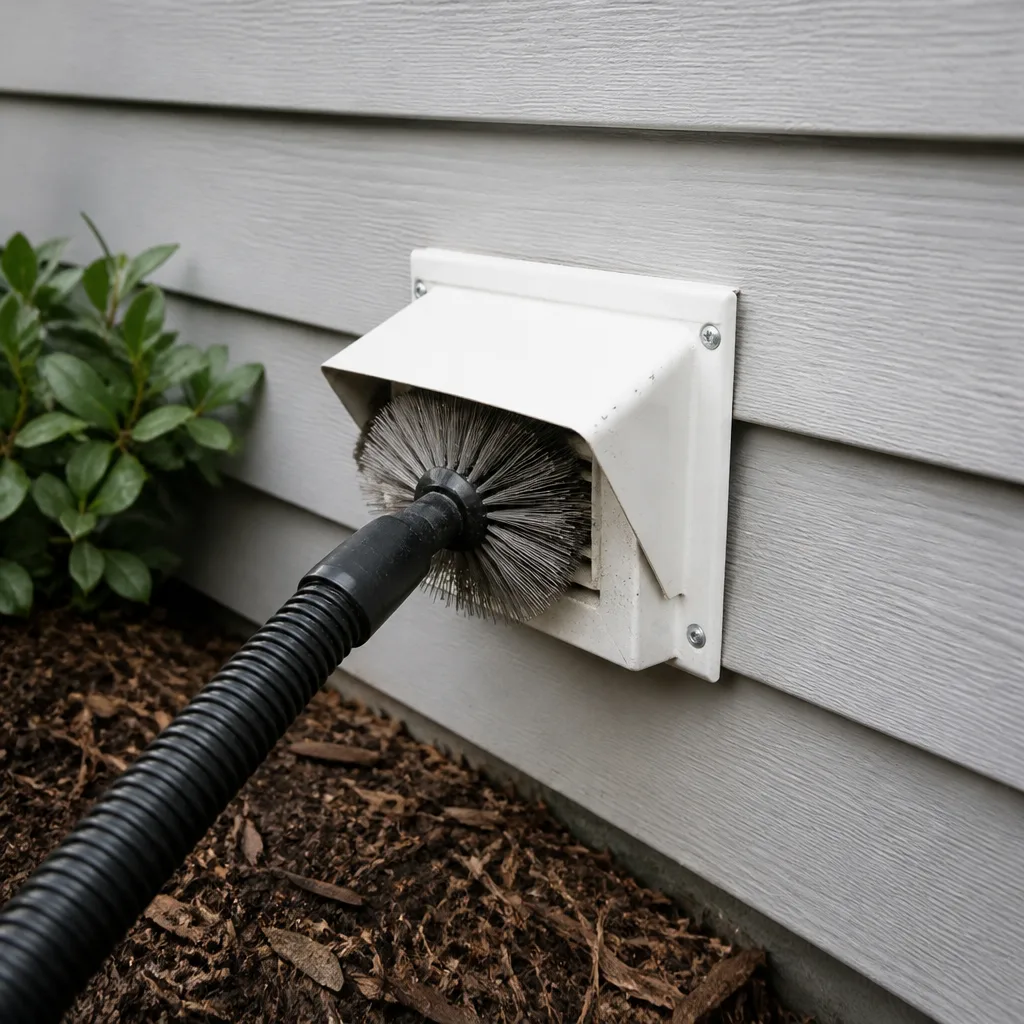 Dryer vent cleaning
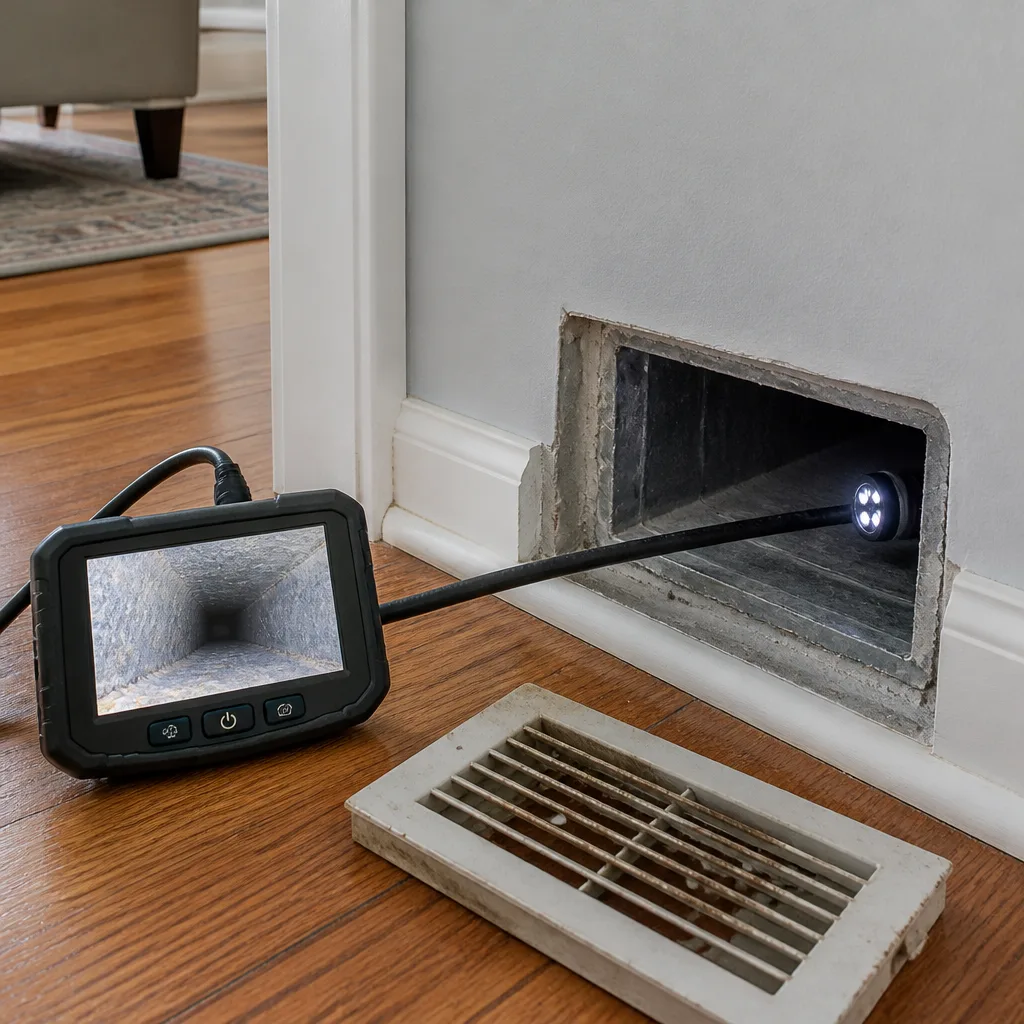 Camera inspection
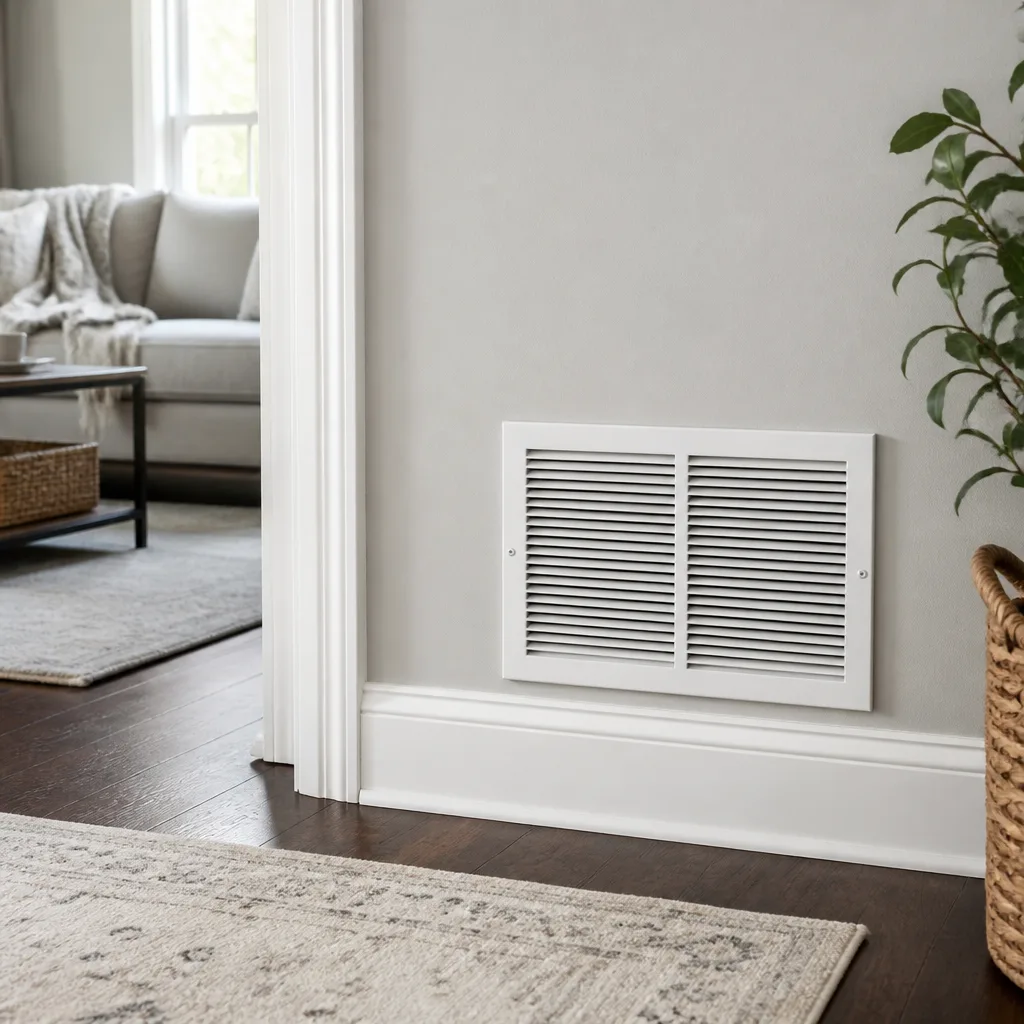 Sanitizing & deodorizing
Whole-system duct and dryer vent check with before-and-after photos - you see exactly what came out of your vents
That "$99 whole-house special" is a bait ad - the real number appears once they are in your hallway, or the "clean" is a shop-vac at the register. We photograph the inside of your ducts before and after instead.
How to Hire an Air Duct Cleaning Contractor in Bushwick: A Step-by-Step Guide
A $99 whole-house duct cleaning offer in Bushwick is not a deal. It’s a signal. At that price, the technician either isn’t running negative air pressure containment, or the upsell begins the moment your return panel comes off. We’ve watched this pattern play out across Brooklyn for years, and it’s the single biggest reason homeowners end up paying twice: once for the cheap cleaning, then again for the real one. This guide gives you a concrete vetting framework. You’ll learn the three equipment questions to ask before booking, how to structure a quote request so low-bid operators self-eliminate, and how to verify the work afterward.
Quick Answer
To hire an air duct cleaning contractor in Bushwick, ask three questions before you book: what negative air machine they use, what CFM rating it runs at, and what agitation method they apply to the duct interior. Then request a written scope of work, not just a price. A legitimate contractor will answer all three clearly, put the scope in writing, and offer a post-service camera inspection. Anyone who deflects on equipment or pushes a same-day discount is telling you what kind of job you’ll get.
Styles & brands we work with
- Whole-home duct cleaning
- Dryer vent cleaning
- Camera inspection
- Sanitizing & deodorizing
Table of Contents
- Why New York’s Licensing Gap Changes How You Hire
- The Three Equipment Questions to Ask Before Booking
- Why NADCA Membership and ACR Compliance Matter
- How to Structure a Quote Request That Filters Out Low-Bid Operators
- Red Flags During the Job Itself
- How to Verify the Job Was Actually Done
- What Makes Bushwick Duct Work Different
- Why One Team for Ducts, Dryer Vent, and HVAC Makes Sense
Why New York’s Licensing Gap Changes How You Hire
New York State does not issue a dedicated license for air duct cleaning. That’s the fact most homeowners don’t know, and it’s the one that should shape every decision you make. Unlike electrical work or plumbing, where a license class and a state or city agency stand behind the person in your home, duct cleaning has no equivalent credential to check. The hiring decision falls almost entirely on your ability to read equipment and process. There is no agency to call and confirm.
This matters more in dense rental markets like Bushwick than almost anywhere else. Bushwick has a high proportion of older multifamily buildings, conversions, and landlord-owned units where duct systems were retrofitted or partly sealed over decades. A contractor who doesn’t understand what they’re looking at can do real damage: dislodging debris that settles into a branch run, or worse, pushing contaminants into living space because there’s no containment running. In our experience, the difference between a proper job and a bad one comes down to equipment and method, not a certificate on a website.
So what do you actually verify? Three things:
- Equipment. Does the contractor name their machines, or talk vaguely about “professional equipment”?
- Method. Do they describe source removal (agitation plus extraction), or just “blowing out” the system?
- Accountability. Will they put scope in writing and show you the result on camera?
That’s a hiring framework anyone can apply. You don’t need a trade background. You need to know what a real answer sounds like. For context on what a properly equipped air duct cleaning job involves from start to finish, the process itself is the best reference point.
The Three Equipment Questions to Ask Before Booking
Ask these three questions on the phone, before anyone comes out. The answers tell you more than any review or website claim. A contractor who does this work seriously will answer without hesitation, because the equipment is central to their process. Here’s what to ask and what a good answer looks like.
- What negative air machine do you run? Negative air pressure is what keeps dislodged debris from escaping into your home. A real answer names the machine or at least the category: a HEPA-filtered negative air unit tied into the main trunk, running throughout the job. A bad answer is silence, or “we use a big vacuum.” If they can’t name the equipment, they probably don’t own professional-grade equipment.
- What CFM is it rated at? CFM is cubic feet per minute, the measure of how much air the machine moves. Duct cleaning depends on enough airflow to carry debris out of the system rather than just loosening it. A contractor who knows their equipment knows the rating range. If the number draws a blank stare, that’s your answer.
- What’s your agitation method? Agitation is what breaks debris loose from the duct walls before extraction pulls it out. The professional standard is a rotary brush or air whip run through each branch line. A rotary-brush system like Rotobrush mechanically scrubs the duct interior; compressed-air whips do similar work in different geometries. “We just vacuum the vents” is not agitation, and it’s not cleaning.
The two-step reality of real duct cleaning is dislodge and remove. Agitation dislodges. Negative air extraction removes. Miss either step and you’ve stirred up contaminants without capturing them. At Air Duct Cleaning Bushwick, we run Rotobrush rotary-brush systems and Nikro HVAC extraction equipment, and we pull negative pressure with Abatement Technologies air-filtration units so dislodged material is captured rather than recirculated back into your rooms. That’s remediation-grade filtration applied to residential work, and it’s the standard we’d want in our own homes.
Why NADCA Membership and ACR Compliance Matter
NADCA is the National Air Duct Cleaners Association, the trade body that sets the industry standard for how duct cleaning should be done. The standard itself is called ACR, the Assessment, Cleaning, and Restoration of HVAC systems document. NADCA membership and adherence to ACR are the closest thing this trade has to a credential. They’re not a government license, but they’re meaningful because they signal that a contractor has chosen to be held to a published process standard rather than making it up as they go.
Why does that matter for a Bushwick homeowner? Because “certified” on a website means almost nothing on its own. Any company can put a badge on a page. What you’re looking for is evidence that the certification connects to a real standard with a real scope: source removal, containment, component protection, and verification. ACR lays out what a complete job includes, including protecting the furnace and air handler, sealing openings, and cleaning the components you can’t see.
So when you’re evaluating a contractor in Bushwick, ask what standard they follow. A good answer references ACR or a comparable published standard, and explains how their process maps to it. A vague answer about being “fully certified” without naming the body or the standard is a soft red flag. It doesn’t mean they’re bad. It means you have nothing concrete to check.
- Ask: “Are you a NADCA member, and do you follow ACR?”
- Look for: A specific yes, plus a description of source removal and containment.
- Be wary of: Badges with no named standard and no explanation of process.
You can also cross-reference the contractor’s equipment against what the standard requires. A crew running professional extraction equipment and describing source removal is almost certainly working to a real standard, whether or not they lead with the acronym. Equipment and method are harder to fake than a badge.
How to Structure a Quote Request That Filters Out Low-Bid Operators
Most homeowners ask for a price. That’s the wrong ask. A price alone tells you nothing about scope, and it actively invites the bait-and-switch model: a low number that grows once the technician is inside. Instead, request a written scope of work. The scope is what separates a professional quote from a teaser.
Here’s how to structure the request so the low-bid operators weed themselves out:
- State the size and type of system in your message. Number of supply and return registers, whether it’s a single-family home, a multi-unit building, or a commercial space. Contractors who do real work will use this to scope properly.
- Ask for the scope in writing before the visit. What gets cleaned, what equipment is used, how containment is handled, and whether the air handler and furnace are protected. If they’ll only quote a price, move on.
- Ask what triggers additional cost. A professional will tell you upfront what could expand the job (heavy contamination, inaccessible runs, multiple systems) so there are no surprises mid-job.
- Ask for the inspection method. Will they show you before-and-after camera footage? A contractor confident in their work says yes without hesitation.
- Compare scopes, not prices. Two quotes that differ by hundreds of dollars usually describe different jobs. Read the scope first.
This is where the coupon trap lives. An unusually low whole-house quote in Bushwick almost always comes from a company that either skips containment or plans to upsell on-site: extra for the returns, extra for the air handler, extra for sanitizing. By asking for scope in writing, you move the conversation from price theater to an actual plan. We quote per system based on what the job needs, and we put it in writing so the number doesn’t move. Free estimates are standard for serious contractors; ask for one and read it closely.
Red Flags During the Job Itself
You don’t need to hover over the technician. But you should know what a skipped step looks like from your side of the room. The most common failure is that source removal never happens: no agitation is run through the branch lines, and the “cleaning” is limited to the registers you can see. If you watch for a few specific things, you’ll know quickly whether the job is real.
- No containment running. A proper setup includes negative air filtration running for the duration. If the only machine in the house is a shop vacuum at one register, containment isn’t happening.
- Register-only cleaning. If the technician removes vent covers, wipes the grilles, and moves on without running a brush or whip down the branch lines, the ducts themselves aren’t being cleaned.
- No access work. Real cleaning requires access points cut or opened at the trunk and branch lines. If no access is created, the duct interiors likely aren’t being reached.
- Pressure to add services mid-job. A sudden recommendation for sanitizing, sealing, or “emergency” add-ons after work has begun is the classic upsell script.
- Air handler left unprotected. The furnace and air handler should be isolated during cleaning so debris doesn’t enter the equipment.
None of these require technical expertise to spot. They’re observable. And if you see two or three together, stop the job and ask questions. A professional will explain each step. A van operator will get defensive. In our experience, the contractors worth hiring are the ones who welcome the questions, because the answers make their work look better, not worse.
How to Verify the Job Was Actually Done
Ask for post-service camera inspection before you pay. This is the single most reliable way to confirm the work happened, and it’s the request that separates confident contractors from the rest. Duct interiors are hard to see; a camera isn’t. A professional scope includes verification for exactly this reason.
Here’s what to ask for and what the footage should show:
- Before-and-after footage of the same run. Not vague shots of a duct. The same branch line, before agitation and after extraction, so the change is visible.
- The trunk and a sample branch line. The trunk carries the bulk of the debris load; a branch line shows how the smaller runs were handled.
- Visible duct walls. After a proper job, the duct wall surfaces should read cleaner, with debris and buildup removed rather than redistributed.
- No new debris downstream. Confirm that the extraction pulled material out of the system rather than pushing it into unsealed runs.
We capture before-and-after footage as part of the job so you can see what was removed and where. That’s not a marketing flourish; it’s accountability. If a contractor can’t or won’t show you footage, ask why. Sometimes access limits the camera, and that’s fair to hear explained. But a flat refusal is a red flag. In a trade with no licensing checkpoint, verification is what you have instead of an inspector.
What Makes Bushwick Duct Work Different
Bushwick’s housing stock shapes what a duct cleaning job actually involves. Much of the neighborhood is built from early-20th-century multifamily buildings: row houses, walk-ups, and conversions where original heating systems were adapted over the years. That means duct runs are often shorter, more irregular, and shared across units compared to newer construction. A contractor who only knows suburban single-family systems will miss things here.
Brooklyn’s humid summers and cold winters also matter. Ductwork that runs through unconditioned spaces, or through walls that see temperature swings, tends to accumulate condensation-related buildup at joints and low points. That buildup is exactly the kind of material that a vent-only “cleaning” leaves behind. It takes real agitation to break it loose. In Bushwick, we’ve found that jobs in older buildings reward a thorough, equipment-forward approach because the systems themselves are less uniform.
There’s also the rental question. Bushwick has a large share of renters and landlord-managed buildings, and duct cleaning decisions often sit with a property manager rather than the occupant. If you’re a landlord or manager, the same framework applies, with one addition: document the job. Before-and-after footage and a written scope protect you as much as the cleaning protects the tenants. Commercial and mixed-use properties in Bushwick have the same process, just at larger scale.
Why One Team for Ducts, Dryer Vent, and HVAC Makes Sense
Air ducts are one component of a connected system. The same air passes through the ductwork, the air handler, and out through the dryer vent if the building routes it that way. Cleaning one piece while leaving the others untouched means debris can move between components after the job is done. That’s why a focused, three-service menu makes practical sense: one team handles the full air-system chain, with the same equipment and the same standard.
Here’s how the pieces fit:
- Supply and return ducts. The bulk of the cleaning work, requiring negative air extraction and agitation.
- The HVAC unit and air handler. The blower, coil, and cabinet should be cleaned and protected as part of a complete job. A contractor familiar with systems like Honeywell and Aprilaire understands the controls and equipment around the ducts, not just the ducts themselves.
- Dryer vents. A clogged dryer vent is a fire risk, and it’s a separate run that deserves its own attention. Dedicated dryer vent cleaning removes lint buildup that a duct job won’t touch.
Bringing one team for the full system also simplifies the vetting. You apply the same three equipment questions and the same scope request to one contractor instead of coordinating two or three. If you need the HVAC side addressed, HVAC cleaning covers the unit and components that keep the ductwork performing. The goal is simple: clean what needs cleaning, with equipment that can do it, by a team that does this work specifically rather than as an add-on to another trade.
Common Mistakes to Avoid
- Booking on price alone. The lowest quote in Bushwick often reflects a scoped-down job: vent wiping instead of source removal. Read the scope before you look at the number.
- Accepting “certified” as a credential. Any site can display a badge. Ask which body certifies them and which standard they follow.
- Not asking about equipment. If you don’t know what negative air machine and agitation method will be used, you can’t evaluate what you’re buying.
- Skipping the written scope. A verbal price is easy to change once the technician is in your hallway. Get the scope in writing, including what triggers added cost.
- Assuming newer buildings need less attention. Bushwick’s older multifamily stock often has irregular duct runs where buildup collects at joints. Uniform assumptions lead to missed runs.
- Paying before seeing results. Ask for camera footage before final payment. A professional expects the request.
- Cleaning ducts but ignoring the dryer vent. They’re separate runs. A clogged dryer vent is a fire risk that duct cleaning leaves untouched.
See the difference
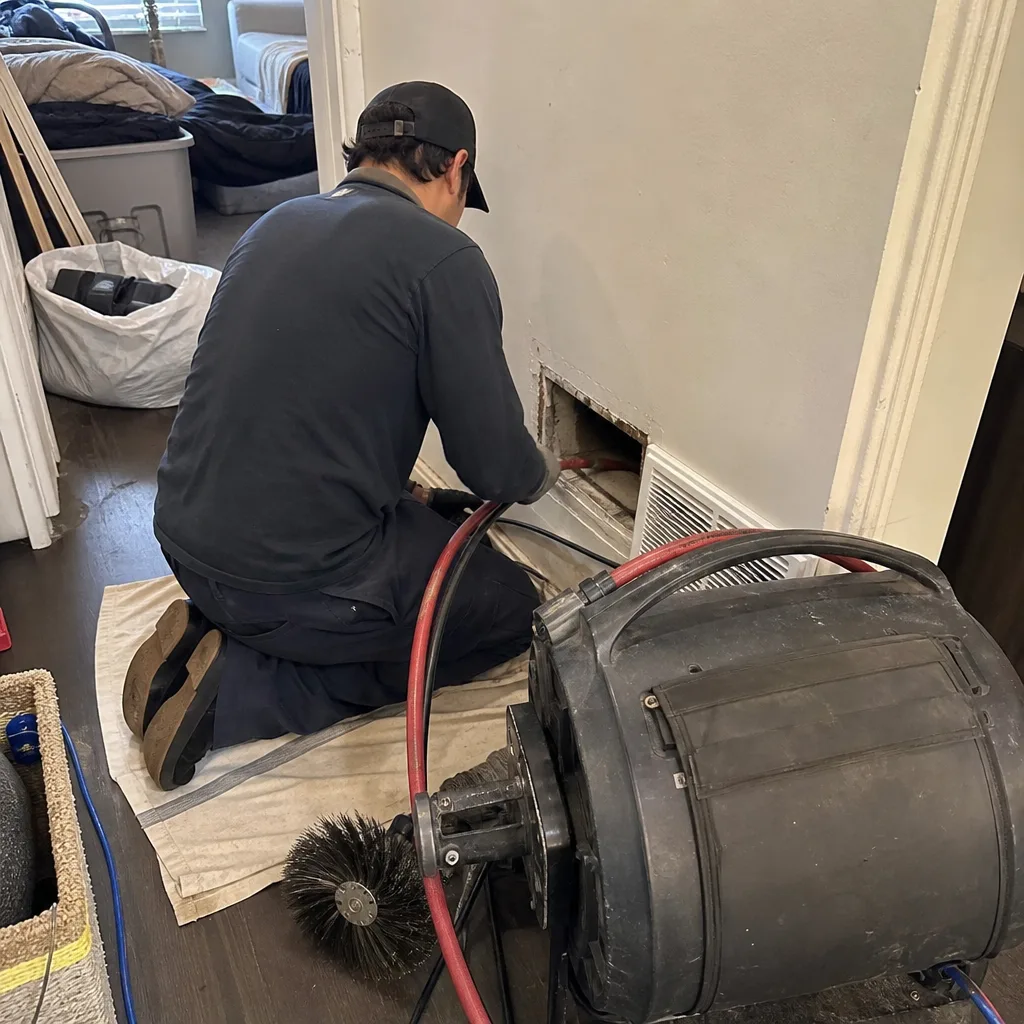 Before
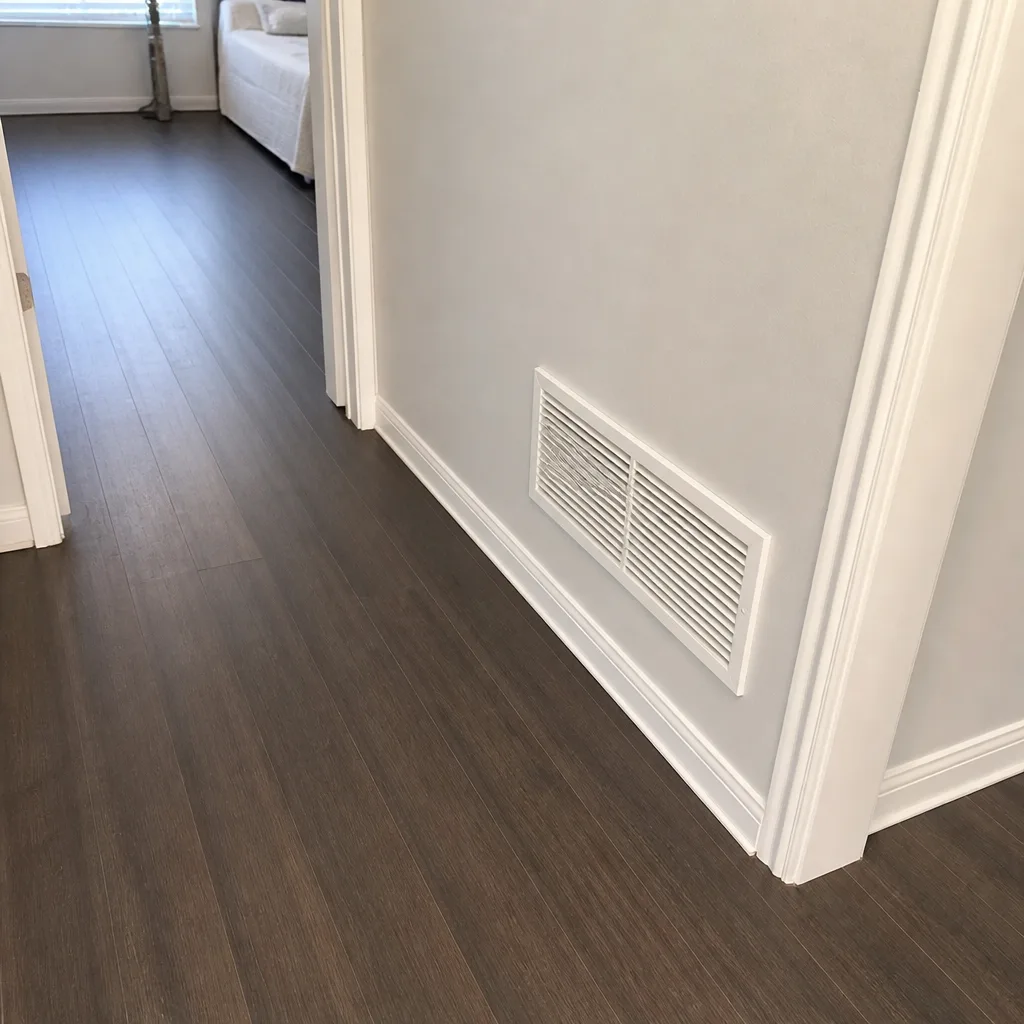 After
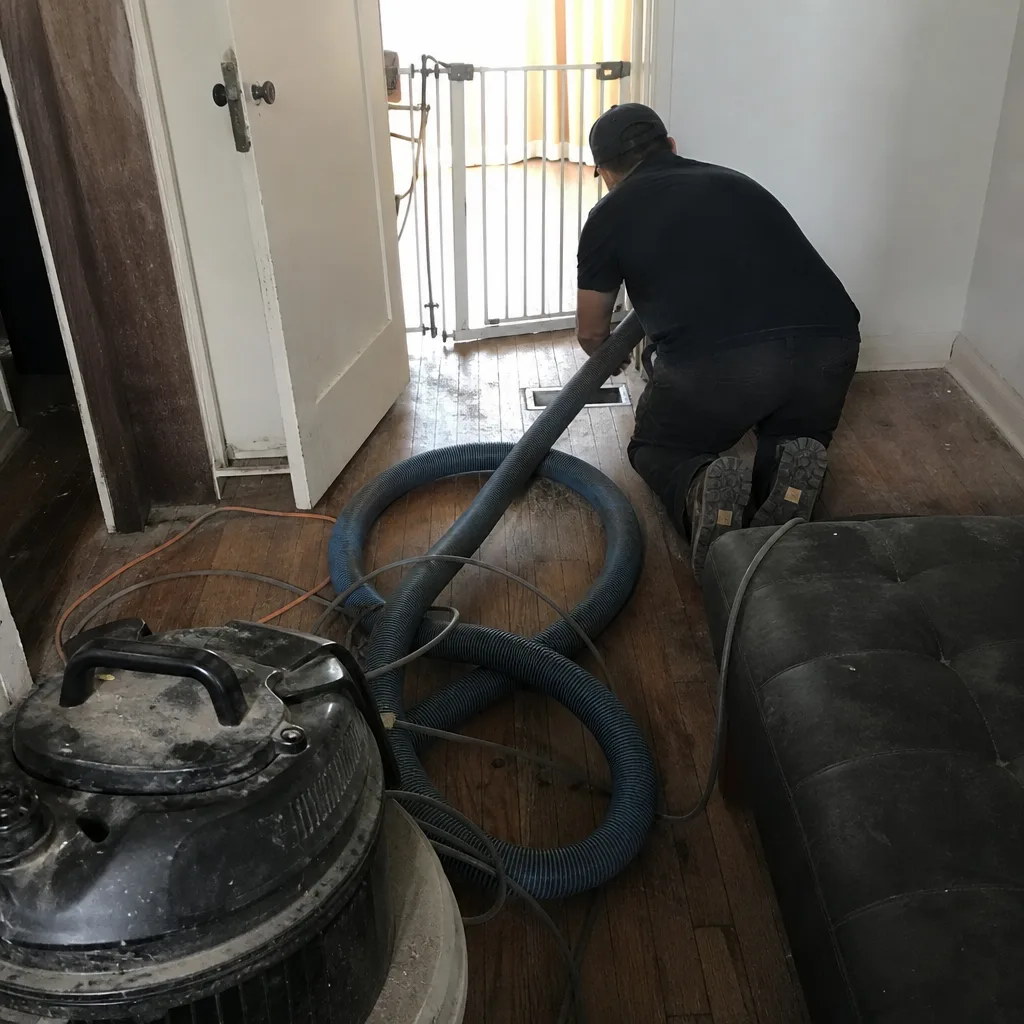 Before
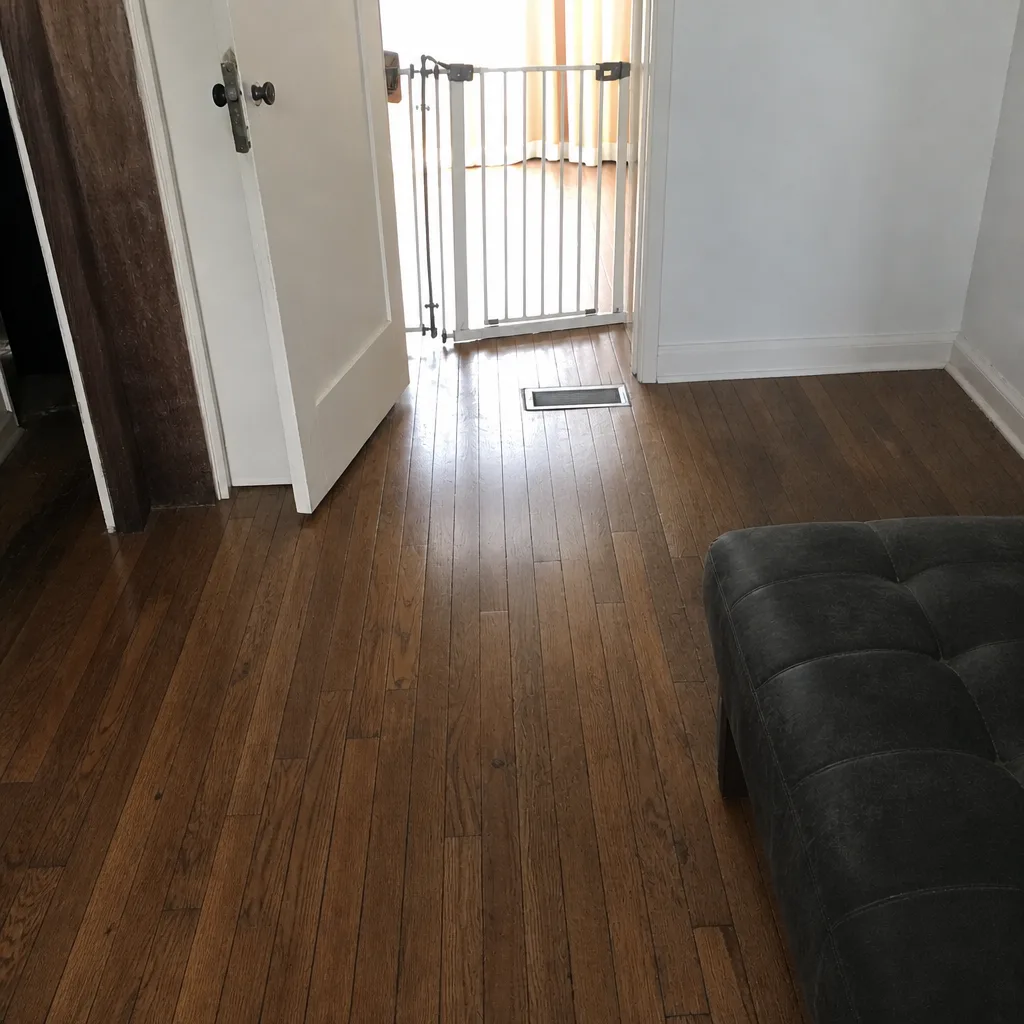 After
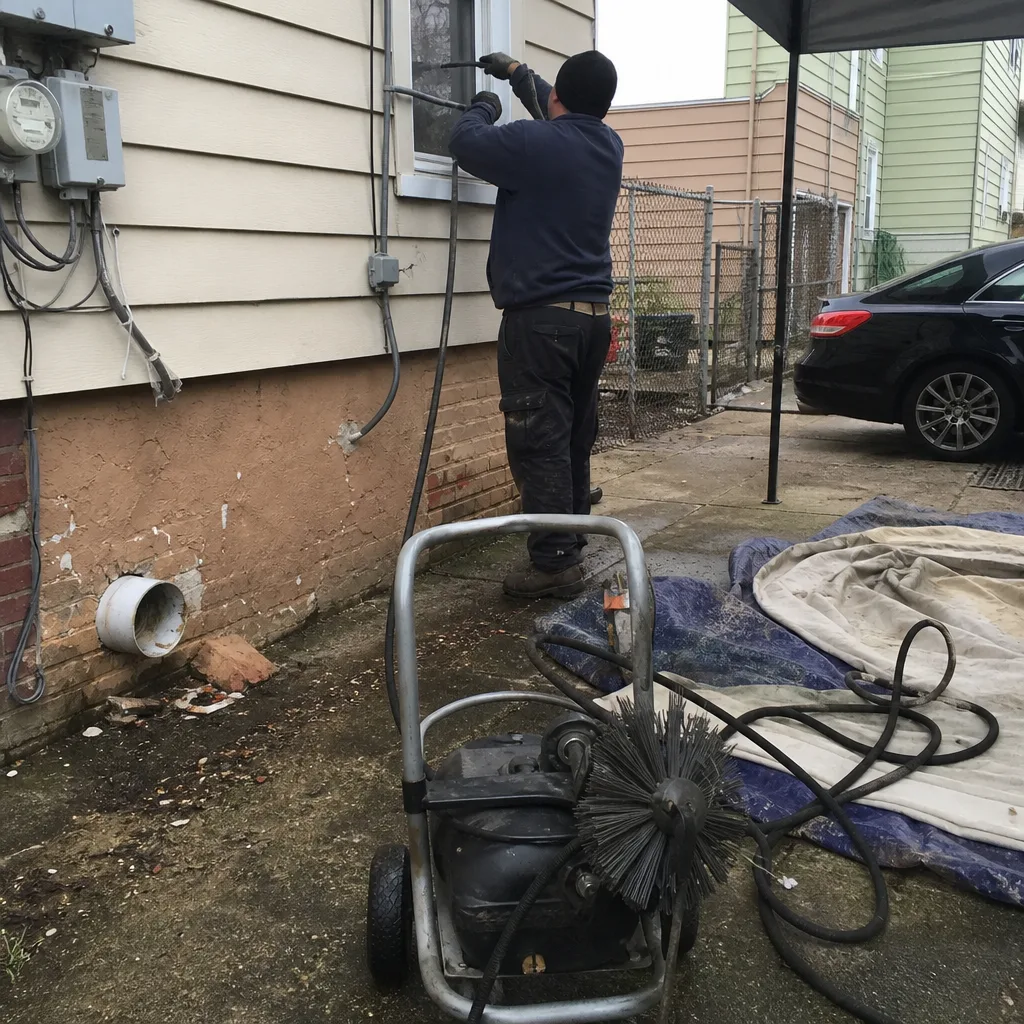 Before
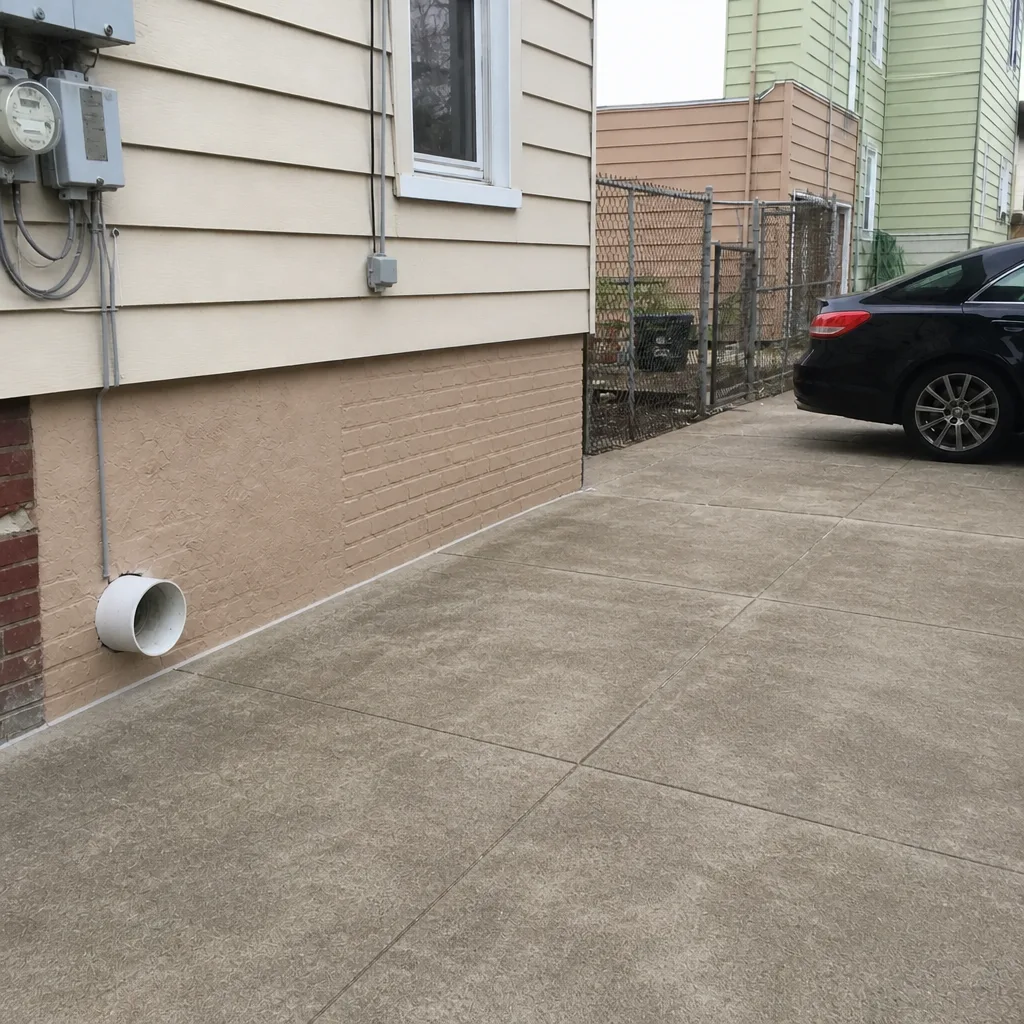 After
When to Call a Professional
Call a professional when you notice visible debris blowing from supply registers, a musty smell that returns after you clean the vents, or a significant jump in dust on surfaces after the heating or cooling season starts. If anyone in the household has allergies or respiratory sensitivity that seems worse indoors, a duct assessment is worth the call. If your dryer takes longer than usual to dry a load, that’s a sign the vent needs dedicated cleaning. If you’re a landlord or property manager in Bushwick and haven’t had the system assessed, a written scope will tell you what, if anything, needs doing. Air Duct Cleaning Bushwick offers free estimates in Bushwick. Call (844) 946-2799. We answer 24/7. Fast dispatch from 7am to 7pm, Sunday through Friday.
Frequently Asked Questions
Air duct cleaning is priced per system based on the job, not per vent, and the written estimate sets the final price. That structure exists for a reason: per-vent pricing rewards speed over thoroughness. Ask any contractor to put a per-system price in writing, with the scope attached, before you book. Call (844) 946-2799 for an exact quote. Estimates are free.
Cheap quotes usually describe a much smaller job: vent covers wiped, no containment, no agitation of the branch lines. The low number isn’t a discount on the same work; it’s a different, smaller scope, often followed by on-site upsells. Compare the written scope, not the headline price. Call (844) 946-2799 and we’ll walk you through what a full-system quote includes.
Ask for before-and-after camera footage of the same duct run, showing the trunk and at least one branch line. A professional contractor expects the request and includes verification in the job. A refusal to show footage is a red flag, especially in a trade with no state licensing checkpoint. Call (844) 946-2799 to talk through how we document a cleaning.
Most homes don’t need it on a fixed schedule. Frequency depends on the system, the building, and what you observe: visible debris, odors that return, dust spikes after seasonal change, or allergy symptoms that worsen indoors. Older Bushwick buildings with irregular runs may need attention sooner than newer construction. Call (844) 946-2799 for a free assessment before you book anything.
You don’t need it, but it’s a useful filter. NADCA membership and adherence to the ACR standard signal that a contractor follows a published process for source removal, containment, and verification. Ask directly, and pair the answer with the three equipment questions. If the answers line up, you’re dealing with someone serious. Call (844) 946-2799 with your questions.
Yes, and it usually makes more sense to have one team handle all three, because they’re part of the same air system. Cleaning ducts while leaving the air handler or dryer vent untouched lets debris move between components after the job. We cover all three. Call (844) 946-2799 for a single written scope covering the full system.
The Bottom Line
Hiring a duct cleaner in Bushwick comes down to a short list of checks. Ask the three equipment questions: what negative air machine, what CFM, what agitation method. Request a written scope instead of a price. Look for NADCA membership and ACR compliance rather than badges. Watch for skipped source removal during the job, and ask for camera footage before you pay. None of this requires technical expertise. It requires knowing what a real answer sounds like, which is exactly what this trade’s licensing gap leaves to you. For a closer look at how a professional job works from start to finish, start at Air Duct Cleaning Bushwick. Call (844) 946-2799. We answer 24/7. Fast dispatch from 7am to 7pm, Sunday through Friday.
Written by the team at Air Duct Cleaning Bushwick.